How to Transplant Serpent grass?
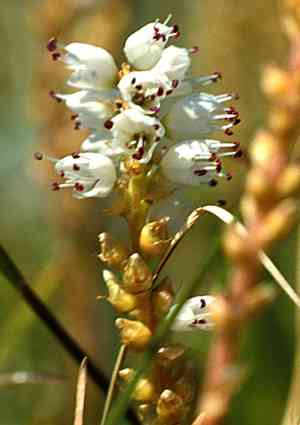
For serpent grass, the ideal period for relocation spans from the onset of early spring to the beginning of early summer, facilitating strong root development. Choose a location that receives abundant light and has damp earth. Careful handling is crucial to preserve the roots' structure.
What Preparations are Needed Before Transplanting Serpent Grass?
What is the Ideal Time for Transplanting Serpent Grass?
For serpent grass, the best time for moving it is from the start of spring's thaw until the mild warmth of late spring. This period offers ideal conditions with moist soil and moderate temperatures, perfect for root development without extreme heat or cold. It gives serpent grass a strong beginning, promoting vigorous growth and overall health. Remember: transplant serpent grass during this window for a smooth transition and a thriving season!
How Much Space Should You Leave Between Serpent Grass Plants?
When preparing to plant serpent grass, ensure each plant has ample room to grow. Aim for a separation of 6-8 inches (15-20 cm) between them, allowing their roots to expand and spread.
What is the Best Soil Mix for Serpent Grass Transplanting?
Before planting serpent grass, incorporate compost or a balanced, slow-release fertilizer to enrich your garden's soil. Serpent grass prefers moist, well-drained soil, so consider using a loamy soil type for optimal development.
Where Should You Relocate Your Serpent Grass?
Serpent grass would thrive in a garden spot with abundant sunlight, though it can endure some shade. Choose a location that receives several hours of light dailyâ serpent grass will flourish best there!
What Equipments Should You Prepare Before Transplantation Serpent Grass?
Shovel or Spade
For excavating the serpent grass from its current spot and preparing the new planting site.
Garden Trowel
For detailed tasks and smaller digging needs.
Watering Can or Hose
To hydrate the serpent grass before and after its move, maintaining soil moisture.
Wheelbarrow or Plant Tray
To move the serpent grass from one place to another without causing damage.
Gardening Gloves
To safeguard your hands while handling soil and plants.
Gardening Fork
To gently loosen the soil around the serpent grass's roots during extraction.
Pruning Shears
To trim any damaged roots or foliage.
Organic Mulch
To help retain soil moisture and regulate temperature around the serpent grass post-transplant.
How Do You Remove Serpent Grass from the Soil?
How Do You Remove Serpent Grass from the Soil?
From Ground: First, water the serpent grass to moisten the soil and lessen plant stress. Then, use a shovel or fork to carefully dig around the serpent grass, keeping a generous distance from the plant to protect its root structure. Gently lift the serpent grass from the ground, retaining as much soil around the roots as possible.From Pot: Water the serpent grass thoroughly. Turn the pot on its side and tap the bottom to loosen the plant. Hold the serpent grass by its base, and carefully pull it out, supporting the root ball with your other hand.From Seedling Tray: Water the seedling tray to make the soil damp and easy to work with. Use a trowel or your fingers to carefully lift each serpent grass from its compartment, ensuring minimal root disturbance.
Step-by-Step Guide for Transplanting Serpent Grass
Preparation
Water the serpent grass in its current location a few hours prior to transplanting to ensure the plant is well-hydrated.
Removal
Gently extract the serpent grass from its original spot using the methods detailed in the section above.
Hole Preparation
Dig a hole in the new location that is twice as wide and the same depth as the serpent grass's root ball to provide ample space for root expansion.
Placement
Position the serpent grass in the center of the new hole, adjusting it so it sits at the same level it was growing previously. The top of the root ball should be even with the surrounding ground level.
Backfilling
Carefully refill the hole with the excavated soil, gently firming it down around the roots to eliminate air pockets.
Watering
Immediately water the transplanted serpent grass generously to settle the soil and help reduce transplant shock.
Mulching
Apply a layer of organic mulch around the serpent grass, avoiding direct contact with the stem, to help maintain soil moisture and temperature.
Support
If the serpent grass is tall or top-heavy, provide stake support to keep it upright until its roots establish.
How Do You Care For Serpent Grass After Transplanting?
Watering
Maintain consistent soil moisture around the serpent grass, especially during the initial weeks, to encourage root establishment without overwatering.
Pruning
Trim away any damaged or dead foliage to direct the plant's energy into new growth and root development.
Monitoring
Keep a close watch on the serpent grass for signs of distress, such as wilting or discolored leaves, and adjust care as needed.
Mulch
Ensure the mulch remains in place and is not pressing against the stem of the serpent grass, as this can lead to rot.
Support
Verify that any stakes or supports are secure but not too tight, allowing for natural growth and movement.
Troubleshooting Common Issues with Serpent Grass Transplantation.
When's the ideal time to transplant serpent grass for best growth?
The prime time for transplanting serpent grass is from early to late spring, when the weather begins to warm.
How much space does serpent grass need between each plant?
Space serpent grass plants about 6 inches to 8 inches (15-20 cm) apart to ensure they have room to flourish.
What to do if serpent grass shows signs of wilting post-transplant?
Ensure the soil is kept moist and protect the plant from strong sunlight until it recovers.
How deep should I plant serpent grass's roots in the soil?
Plant serpent grass's roots at the same depth they were in the previous pot, covering them completely with soil.
Why are my transplanted serpent grass plants not thriving?
They may not be getting enough light, water, or nutrients, or they might have been planted too deeply.
Can I transplant serpent grass during summer or fall?
It's best to transplant serpent grass during the cooler temps of springtime for optimal root establishment.
What type of soil is best for transplanting serpent grass?
Use well-drained soil rich in organic matter to give your serpent grass plants a healthy start.
How do I know if my serpent grass has enough water after transplanting?
The soil should be moist but not waterlogged. Check by feeling; the top inch should be slightly damp.
What should I do if serpent grass has brown leaves after transplanting?
Brown leaves can be a sign of shock. Trim them and reduce sunlight exposure gradually to help recovery.
How to protect transplanted serpent grass from pests?
Keep an eye out for pests and use appropriate organic pest control measures if you spot an infestation.



