How to Propagate Serpent grass?
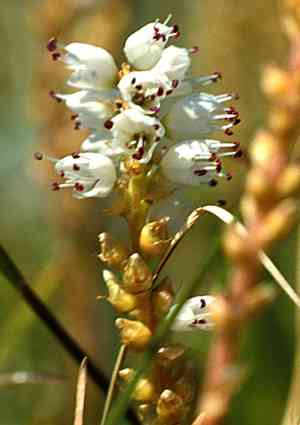
Serpent grass, a resilient alpine or arctic variety, excels at asexual propagation. Cuttings, the main technique, must be carefully prepared, with each segment possessing a minimum of one bud or foliar node. Growth commences by situating these cuttings in a sandy, well-aerated soil blend, supplying steady hydration without saturation. Root development generally succeeds in temperate conditions and diffused illumination, allowing serpent grass to flourish and progressively adapt to external environments.
Optimal Time for Serpent Grass Propagation
Propagation Method
Cutting
Propagation Period
Spring,Summer
Tools for Serpent Grass Propagation
Sharp pruning shears
Essential for making clean cuts from the parent serpent grass, sharp pruning shears minimize tissue damage. This promotes healthier cuttings, vital for successful rooting and growth. Precise blades enable exact cuts at desired points, aiding parent plant recovery and cutting viability.
Rooting hormone powder
This chemical agent encourages root development in serpent grass cuttings. Applying rooting hormone to the cut end boosts the likelihood of successful rooting by accelerating root establishment, crucial for cuttings to absorb nutrients and water post-propagation.
Sterile potting mix
A sterile potting mix offers a clean, disease-free environment for new serpent grass cuttings, lowering the risk of fungal or bacterial infections detrimental to young plants. The mix supports young roots with adequate air, moisture, and nutrients, all vital for early growth stages.
Small pots or trays
These containers house new serpent grass cuttings after preparation and rooting hormone treatment. Small pots or trays help maintain proper moisture levels and provide ample space for developing roots, facilitating better growth management and easier future transplantation.
Misting bottle
Regular misting helps maintain sufficient humidity around serpent grass cuttings, crucial for preventing dehydration before roots develop. Proper humidity levels create a microclimate that supports the overall health and vigor of cuttings as they establish.
Labels and markers
Used to label pots or trays containing serpent grass cuttings, these tools are vital for record-keeping and tracking each propagated sample's progress. This practice ensures effective management of different batches or variants during experimental and growth phases.
How to Propagate Serpent Grass?
Propagation Type
Easy
Caring for Newly Propagated Serpent Grass
Caring for Newly Propagated Serpent Grass
Once serpent grass has rooted, gradually introduce them to drier conditions by removing the plastic cover for longer durations daily. When new plants show growth, they can be moved to their permanent spots. Serpent grass prefers moist, well-drained soil and partial shade. Avoid harsh, direct sunlight to prevent leaf scorch. Consistent watering is key, especially during dry spells, but avoid overwatering as serpent grass dislikes waterlogged conditions. Adding mulch around the plant base helps retain soil moisture and control weeds.
Common Mistakes to Avoid When Propagating Serpent Grass
Overwatering
Excessive watering can cause root rot in serpent grass, which thrives in well-drained soil. This error can severely jeopardize the health and survival of the propagules.
Deep planting
Planting serpent grass bulblets too deeply can hinder their emergence or delay growth. Correct placement near the soil surface is essential for their development.
Ignoring bulb health
Using diseased or damaged bulblets for propagation can lead to poor growth or failure to establish. Healthy bulbs are fundamental for successful propagation.
Tips For Propagating Serpent Grass
Use healthy bulblets
Selecting healthy, firm bulblets free from disease or decay is crucial for ensuring robust growth and successful propagation of serpent grass.
Adequate spacing
Providing sufficient space between planted bulblets allows for proper air circulation, reduces resource competition, and promotes healthier growth.
Soil preparation
Preparing a well-draining, loose, and fertile soil mix supports serpent grass growth. This environment helps prevent issues like waterlogging and nutrient deficiency.



