How to Prune Serpent grass?
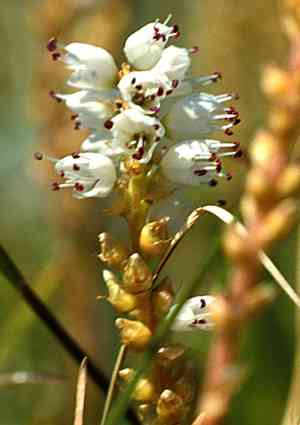
Serpent grass, a resilient alpine perennial, is recognized for its serpentine floral spikes. In spring, remove any withered or compromised leaves to encourage fresh development. Throughout summer and autumn, deadhead faded blossoms to enhance the plant's robustness. In autumn, reduce its size to preserve its form and well-being, but refrain from excessive trimming, as this could hinder the following year's flowering. The advantages of pruning encompass heightened plant vitality and a tidy garden aesthetic, guaranteeing serpent grass flourishes in its elevated environments.
What Are the Benefits of Pruning Serpent Grass?
What Are the Benefits of Pruning Serpent Grass?
Trimming serpent grass promotes robust development and helps maintain a compact, attractive form. It revitalizes the plant, fostering healthy foliage and root systems.
What Is the Best Time for Pruning Serpent Grass?
What Is the Best Time for Pruning Serpent Grass?
For serpent grass, trimming in late spring is optimal as the plant awakens from dormancy and prior to its period of vigorous growth. This timing allows gardeners to shape the plant and encourage new, healthy shoots without disrupting flowering, which typically occurs in summer. By early summer, light trimming is advisable to maintain the plantâs desired shape and remove spent blooms, thus promoting a neat appearance and potentially a second flowering. Pruning in the fall is not recommended, as it can stimulate new growth that may not harden off before winter, making serpent grass vulnerable to cold damage.
What Tools Do I Need to Prune Serpent Grass?
Hand Pruners
These are perfect for cutting the slender stems of serpent grass, which generally don't require heavy-duty equipment. Hand pruners are easy to use and offer precision, crucial for clean cuts that encourage healthy regrowth.
Scissors
Scissors are suitable for trimming delicate foliage and can be used for deadheading or shaping the plant. The precision provided by scissors ensures minimal harm to the stems and leaves of serpent grass.
Pruning Shears
These can be utilized for slightly thicker stems or for more extensive trimming tasks. Pruning shears will deliver a sharp, clean cut and are appropriate for maintaining the shape and health of serpent grass.
Gloves
Wearing gloves is advisable to shield hands from any potential plant irritants and to provide a better grip on pruning tools.
How to Prune Serpent Grass
Clean Tools
Before beginning, ensure all pruning implements are clean and sharp to prevent disease transmission and make precise cuts on serpent grass.
Remove Diseased Parts
Carefully remove any diseased leaves or branches from serpent grass using pruning shears, cutting at the base of the affected part without harming healthy tissue.
Prune Withered Leaves
Identify and trim away withered leaves from serpent grass to encourage healthy development and improve air circulation around the plant. Use a gentle touch to avoid damaging live stems and leaves.
Trim Dead Branches
Locate and trim any dead branches from serpent grass, cutting back to just above a bud or side branch to promote new growth in those areas.
Finalize Cleanup
After pruning, clear away the trimmed material from around serpent grass to deter pests and diseases and maintain a tidy growing area.
Common Pruning Mistakes with Serpent Grass
Overpruning
Trimming too much of serpent grass can hinder its ability to photosynthesize effectively, weakening the plant.
Improper Tools
Using dull or unclean pruning tools can cause jagged cuts and introduce diseases to serpent grass.
Tearing Stems
Ripping or tearing stems instead of making clean cuts can leave serpent grass susceptible to infection and pests.
Ignoring Plant Health
Pruning serpent grass when it is unhealthy or stressed can further harm the plant.
Pruning Newly Planted Specimens
Trimming serpent grass too soon after planting can stunt its growth as the plant requires time to establish itself.
Common Pruning Tips for Serpent Grass
Sharp Tools
Ensure to use sharp, clean pruning shears to make precise cuts and prevent damage to serpent grass.
Selective Pruning
Carefully choose which parts to trim, focusing on dead or damaged leaves and stems to promote healthy growth in serpent grass.
Gentle Handling
Handle serpent grass gently during pruning to avoid damage to the roots and other parts of the plant.
Healthy Growth Focus
Target any overgrown areas to encourage balanced growth and improved air circulation within serpent grass.
Cleanliness
Clean all tools after use to prevent spreading any potential diseases to serpent grass or other plants.



