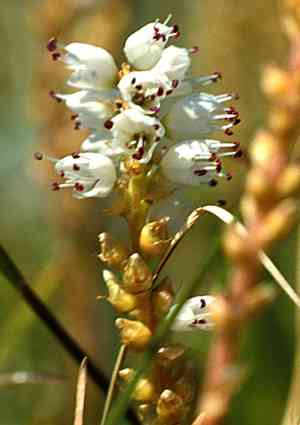
Serpent grass (Bistorta vivipara)
Also known as: Alpine knotweed, Viviparous knotweed
Serpent grass is not only very pretty but also an important food source for wild animals, including the snow goose, rock ptarmigans, and reindeer. The perennial herb grows at high elevations and can be found in the Alps, Pyrenees, and Caucasus. One of its not-so-pretty traits is its odor, which gives it the nickname "miner's toes."
In This Article
Attributes of Serpent grass
Lifespan
Perennial
Plant Type
Herb
Plant Height
8 cm to 30 cm
Spread
N/A
Leaf Color
Green
Flower Size
2 mm to 4 mm
Flower Color
White Pink
Images of Serpent grass
Quickly Identify Serpent grass
1
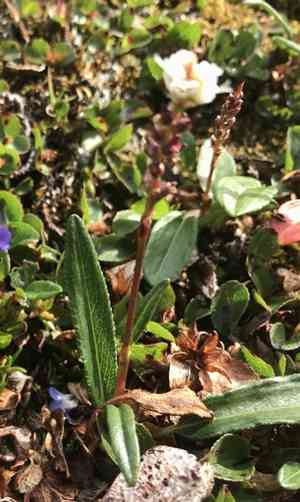
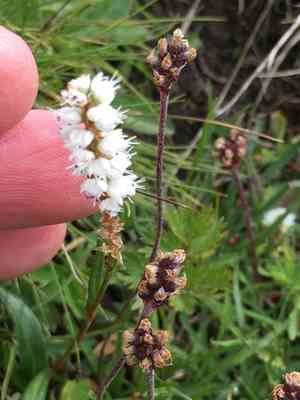
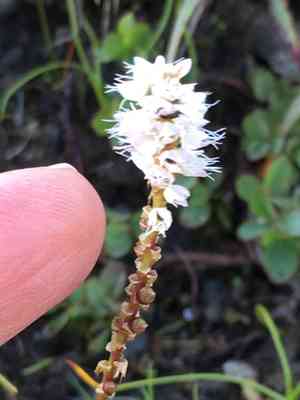
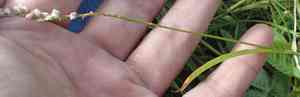
Bistorta vivipara can be identified by its slender, upright stems and narrow, lance-shaped leaves. The plant often produces small, greenish-white flowers clustered in a spike, and unique bulbils can be found along the stem, which distinguish it from other similar species.
Scientific Classification of Serpent grass
Phylum
Vascular plants
Class
Dicotyledons
Order
Caryophyllales
Family
Buckwheat
Genus
Bistorta
Species
Serpent grass
Planting and Growing of Serpent grass
Care Difficulty
Easy
Watering Schedule
Every 2 days
Sunlight Requirements
Partial sun
Sunshine Duration
6-8 hours
Ideal Temperature
50-70℉
Soil Type
Potting Mix, Peat Mix
Soil pH
5.5-7.5
Fertilizer Type
Balanced
Pruning Season
Spring, Summer
Pruning Area
Branches, Leaves
Pruning Frequency
2 times a year
Repotting Season
Spring
Pot Type
Plastic, Terracotta
 How to Water Serpent grass?
Bistorta vivipara appreciates a modest yet consistent water supply. The principle is to keep the soil consistently moist but never waterlogged. Water around 200 ml each time, ensuring that the top 1 inch of soil is damp but not drenched.
What are the symptoms of an underwatered Serpent grass?
›
What should I do if my Serpent grass is not getting enough water?
›
What are the symptoms of an overwatered Serpent grass?
›
How to save an overwatered Serpent grass?
›
 What Are the Sunlight Requirements for Serpent grass?
Bistorta vivipara prefers a light range of four to six hours of filtered sunlight. Adequate light conditions promote healthy growth, optimal flowering, and a balanced nutrient cycle.
More About Sunlight Requirements Techniques→
What is the best type of sunlight for Bistorta vivipara?
›
How can you ensure Bistorta vivipara gets the right amount of sunlight?
›
What are the benefits of providing ideal lighting to Bistorta vivipara?
›
 What Is the Ideal Temperature Range for Serpent grass?
The ideal temperature range for Bistorta vivipara, often found in alpine and subarctic environments, is between 50 and 70 degrees Fahrenheit. This temperature range supports optimal growth and development by mimicking the plant's natural habitat, which typically features cool summers and mild temperatures. Maintaining this environment ensures that the plant can photosynthesize effectively and grow without undue stress.
 What Soil is Best for Serpent grass?
Bistorta vivipara thrives best in well-drained soil conditions. This ensures that the roots of the plant do not sit in water, which can lead to root rot. Well-drained soils help the plant absorb the necessary nutrients without waterlogging, promoting healthier growth. Nutrient-rich soil is crucial for Bistorta vivipara as it provides the essential minerals and organic matter needed for its development. A good balance of nutrients supports vigorous foliage and robust flowering. This plant prefers moderate moisture levels in the soil. Consistent moisture without stagnation supports consistent nutrient uptake and prevents stress, which is vital for its growth cycle and overall health.
 How to Fertilize Serpent grass?
Bistorta vivipara, commonly known as alpine bistort, requires a balanced approach to fertilization. Liquid fertilizers should be diluted to half the recommended strength to avoid root burn. A general rule of thumb is to use approximately 1 tablespoon of liquid fertilizer per gallon of water.
 How to Prune Serpent grass?
Always clean your pruning tools with a solution of water and disinfectant. This prevents transferring pathogens from one plant to another, which is crucial in maintaining the health of Bistorta vivipara. Perform pruning on a dry day to lessen the chance of spreading fungal infections. Moisture can facilitate the transfer of bacteria and fungi, leading to potential disease issues.
More About Pruning Techniques→
 How to Propagate Serpent grass plant?
1
Collect seeds from mature Bistorta vivipara plants during late summer as the seeds begin to mature. Ensure seeds are fully ripe before collection to increase germination success. Dry collected seeds in a cool, dark place to prevent mold growth before sowing.
2
Prepare a well-draining, fertile soil mix by combining compost and sand. This soil mix enhances moisture retention while ensuring proper drainage, creating an ideal environment for seeds to germinate. Fill seed trays with this mix before sowing seeds.
3
Divide mature Bistorta vivipara plants by carefully pulling apart clumps during early summer. Use a sharp, sterilized knife if necessary to manage roots, ensuring each section has adequate roots and shoots for successful propagation when replanted.
 How to Repot Serpent grass plant?
1
Look for signs like roots growing out of drainage holes or the plant becoming top-heavy. Bistorta vivipara typically requires repotting every 2-3 years, especially if growth appears stunted or soil compaction occurs. Spring and Autumn are ideal seasons as the plant is less stressed.
2
Select a pot that's 1-2 inches larger in diameter than the current one. The pot should have adequate drainage holes to prevent waterlogging. A slightly wider pot helps accommodate the plant's spreading root system, ensuring healthy growth without constraining root development.
3
Opt for a soil that mimics the plant's natural habitat, like a free-draining loamy mix. Such soil offers excellent drainage while retaining necessary moisture, preventing root rot and promoting vibrant growth. Additionally, ensure the soil is rich in organic matter to support nutrition.



