The Serpent grass Plant Advantage: Maximizing Home and Office Appeal and Wellness
1
Serpent grass is recognized for its resilience in challenging mountain climates.
2
This flora offers both dietary benefits and customary applications.
3
Its capacity to foster healthy soil renders it a significant variety.
What is Serpent grass?
Characteristics and Appearance
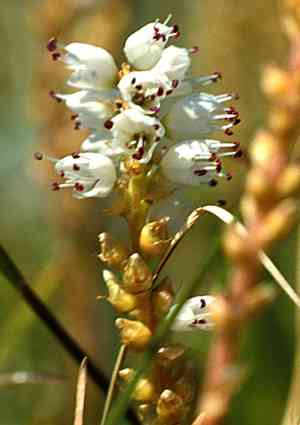
Serpent grass is a perennial plant flourishing in high-altitude and subalpine areas. It typically grows low to the ground, forming thick mats. The plant features slender leaves and small, spiky flowers, often blooming in summer. Its subterranean stems, called rhizomes, are vital for its reproduction.
Habitat and Distribution
Serpent grass is primarily found in the colder parts of the Northern Hemisphere. It thrives in poor soils and is often seen in rocky or gravelly high-altitude terrains. The plant's ability to adapt to harsh conditions makes it a key part of alpine ecosystems.
What are the Nutritional Benefits of Serpent grass?
Edible Parts and Nutritional Value
A key advantage of Serpent grass is its nutritional content. Both the leaves and roots of the plant are edible. The roots, especially, are rich in starch and can provide carbohydrates. They also contain vital minerals and vitamins that contribute to a balanced diet.
Traditional Uses in Diet
In many cultures, Serpent grass has been a crucial food source, particularly where other food options are scarce. Its roots can be boiled, roasted, or dried and ground into flour. The leaves can be consumed raw or cooked, adding nutrients to various dishes.
How Does Serpent grass Benefit Soil Health?
Soil Stabilization
Serpent grass is essential for preventing soil erosion in mountainous and high-elevation regions. Its dense root system binds the soil, reducing the risk of landslides and erosion. This is especially important in alpine environments where plant life is sparse.
Contribution to Soil Fertility
The decomposition of Serpent grass's organic matter enriches the soil with nutrients over time. This gradual process enhances soil fertility, creating a more favorable environment for other plant species to grow. Consequently, Serpent grass boosts the overall biodiversity of its habitat.
What are the Practical Applications of Serpent grass?
Decorative and Landscaping Uses
Due to its low-growing and resilient nature, Serpent grass is often used in rock gardens and alpine landscaping. It requires minimal upkeep, making it an ideal choice for gardeners seeking to add greenery to rocky areas or steep slopes.
Cultural and Traditional Significance
Beyond its practical uses, Serpent grass holds cultural importance in several indigenous communities. It has been used in traditional ceremonies, symbolizing resilience and endurance. The plant's various parts have also been used in crafting and other practical applications throughout history.



