How to Transplant Dwarf white birch?
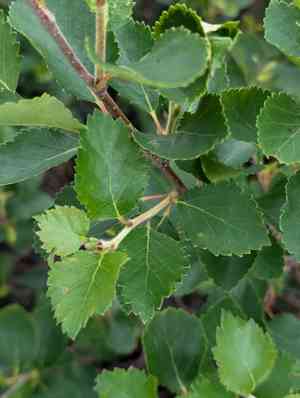
Dwarf white birch flourishes most effectively when relocated between early and late spring, as this timeframe enables the specimen to settle prior to the summer warmth. Provide a site with full sun to partial shade and well-aerated, somewhat acidic earth for peak development.
What Preparations are Needed Before Transplanting Dwarf White Birch?
What is the Ideal Time for Transplanting Dwarf White Birch?
The best period for relocating dwarf white birch spans from early spring's arrival until just before summer. Moving the plant during this timeframe minimizes stress, allowing it to establish roots in milder weather. This timing offers the advantage of moist soil and extended daylight, fostering healthier and more vigorous development for your dwarf white birch.
How Much Space Should You Leave Between Dwarf White Birch Plants?
When getting ready to move dwarf white birch, ensure they are positioned approximately 15-20 feet (4.5-6 meters) apart. This provides ample room for growth and prevents competition for resources. Proper spacing also helps avoid overcrowding and promotes good air circulation.
What is the Best Soil Mix for Dwarf White Birch Transplanting?
For optimal outcomes, prepare a well-draining soil mixture for relocating dwarf white birch. This plant thrives in loamy soil rich in organic matter. Incorporate a balanced, slow-release fertilizer into the base soil to give your plant a strong start. Mix it thoroughly to ensure even nutrient distribution.
Where Should You Relocate Your Dwarf White Birch?
Select a sunny spot for transplanting dwarf white birch, where it can receive direct sunlight for at least 6 hours daily. This ensures the plant gets sufficient light for healthy development. Steer clear of excessively shaded areas, as this can impede growth and diminish overall vigor.
What Equipments Should You Prepare Before Transplantation Dwarf White Birch?
Gardening Gloves
To safeguard your hands while handling soil and the plant.
Spade or Shovel
To excavate around and lift the plant, ensuring the root ball stays intact.
Trowel
For smaller, more precise digging and lifting, particularly useful for potted plants or seedling trays.
Watering Can or Hose
To hydrate the plant before and after its relocation.
Garden Fork
To loosen the soil at both the original and new planting sites.
Wheelbarrow
To move the plant from its initial spot to the new planting location.
Organic Mulch
To help maintain moisture around the newly planted area.
How Do You Remove Dwarf White Birch from the Soil?
How Do You Remove Dwarf White Birch from the Soil?
From Ground: First, water the dwarf white birch plant to moisten the soil. Next, dig a wide trench around the plant using a shovel or spade, making sure the plant's root ball remains undisturbed. Carefully work the spade beneath the root ball to lift the plant from its original position.From Pot: Water the dwarf white birch plant to make the soil easier to manage. Gently squeeze the pot's sides to loosen the soil and roots. Tilt the pot sideways and carefully slide the plant out, ensuring the root ball stays intact.From Seedling Tray: Water the dwarf white birch seedlings to facilitate their removal. Use a small trowel or your fingers to gently lift each seedling by its root ball, taking care not to harm the delicate roots.
Step-by-Step Guide for Transplanting Dwarf White Birch
Prepare New Planting Hole
Dig a planting hole at the new site that is twice as wide and the same depth as the dwarf white birch's root ball. This allows the roots to spread out easily in the new location.
Position the Plant
Place the dwarf white birch in the center of the hole. Ensure the top of the root ball is level with or slightly above the surrounding soil.
Backfill the Hole
Fill the hole with the soil that was removed, gently packing it around the roots to eliminate air pockets.
Water Thoroughly
Water the dwarf white birch thoroughly right after planting to help settle the soil and provide moisture to the roots.
Apply Mulch
Apply a layer of organic mulch around the base of the plant, leaving a small gap around the stem to prevent rot. This helps retain moisture and regulate soil temperature.
How Do You Care For Dwarf White Birch After Transplanting?
Watering
Keep the soil around the dwarf white birch consistently moist, but not soggy, for the first few weeks after transplanting to help establish strong roots.
Monitoring
Regularly check the dwarf white birch for signs of stress, such as wilting or yellowing leaves, and adjust care as needed.
Weeding
Keep the area around the dwarf white birch free from weeds to reduce competition for nutrients and water.
Protection
If transplanting in a windy area, consider staking the dwarf white birch to provide stability while its roots establish.
Troubleshooting Common Issues with Dwarf White Birch Transplantation.
What is the best time to transplant dwarf white birch?
The optimal time to transplant dwarf white birch is from early spring to late spring.
How should I prepare the soil for dwarf white birch?
Ensure the soil is well-drained, rich in organic matter, and slightly acidic to neutral.
What is the ideal spacing for dwarf white birch during transplanting?
Each dwarf white birch should be spaced 15-20 feet (4.5-6 meters) apart to ensure proper growth.
How deep should I dig the hole for dwarf white birch?
Dig a hole twice as wide and the same depth as the root ball.
Should I water dwarf white birch immediately after transplanting?
Yes, water dwarf white birch thoroughly right after transplanting to help settle the soil around the roots.
What precautions should I take to prevent transplant shock in dwarf white birch?
Avoid damaging the roots, water regularly, and ensure the plant is not under stress before transplanting.
Can I use mulch around dwarf white birch after transplanting?
Yes, applying 2-3 inches (5-7.5 cm) of mulch helps retain moisture and regulate soil temperature.
How often should I water dwarf white birch after transplanting?
Water weekly during the first growing season, ensuring the soil remains moist but not waterlogged.
Is it necessary to prune dwarf white birch when transplanting?
Light pruning can help reduce stress, but avoid heavy pruning as it can further stress the tree.
What temperature is ideal for transplanting dwarf white birch?
Ideal transplanting temperatures range from 55-70°F (13-21°C) for the best establishment.



