How to Propagate Dwarf white birch?
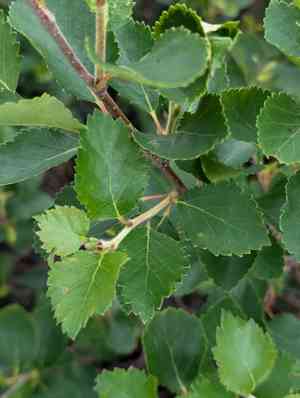
Dwarf white birch, a member of the Birch family, is generally propagated via cuttings. This technique guarantees genetic consistency with the source plant. Acquire robust shoots from a mature dwarf white birch and employ a sharp, sterilized blade for cutting. Verify that each cutting possesses multiple leaf nodes, and embedding them in a well-draining substrate can foster superior root formation. Consistent irrigation and diffused illumination aid in successful rooting.
Optimal Timing for Dwarf White Birch Propagation
Propagation Type
Cutting
Propagation Season
Autumn,Winter
Tools Required for Dwarf White Birch Propagation
Sharp pruning shears
These are vital for making clean, precise cuts on dwarf white birch. Sharp blades ensure the cut surfaces on both the parent plant and the cuttings are smooth, which helps prevent disease and promotes quicker healing and root formation.
Rooting hormone
This chemical compound encourages root development from the cut ends of dwarf white birch cuttings. Applying rooting hormone to the base of the cutting before planting can greatly improve the chances of successful root growth, thus boosting the overall propagation success rate.
Sterile potting mix
A high-quality, pathogen-free potting mix offers a clean, controlled setting for dwarf white birch cuttings to root. This medium should be free of harmful organisms that could damage vulnerable cuttings. The correct mix will also hold enough moisture while allowing good drainage, both crucial for dwarf white birch rooting.
Propagation trays
These trays are used to hold the potting medium and provide a stable environment for multiple dwarf white birch cuttings. Trays should allow for proper drainage and often come with covers to help maintain high humidity around the cuttings, which is essential during the initial stages of root development.
Heating mats
Placed beneath propagation trays, heating mats gently warm the rooting medium, which can enhance root growth during dwarf white birch propagation. Consistent bottom heat is especially beneficial in cooler climates or seasons, as it encourages faster growth and establishment.
How to Propagate Dwarf White Birch?
Propagation Type
Moderately Difficult
Caring for Your Newly Propagated Dwarf White Birch
Caring for Your Newly Propagated Dwarf White Birch?
Once rooted, move the dwarf white birch cuttings into larger containers or their permanent spot. Ensure they are in well-draining soil and a location with full sun to partial shade. Water consistently, especially during dry spells, and add a layer of mulch around the base to retain soil moisture and regulate temperature. Fertilize annually with a balanced slow-release fertilizer at the start of the growing season to encourage healthy growth and resistance to pests and diseases.
Common Errors to Avoid When Propagating Dwarf White Birch
Overwatering
Excessive watering of dwarf white birch seedlings or cuttings can lead to root rot and fungal infections. Too much moisture eliminates air pockets necessary for root development, hindering proper growth and potentially killing young plants.
Inadequate Light
Placing dwarf white birch in poorly lit areas can severely stunt their growth. Dwarf white birch needs sufficient sunlight to facilitate photosynthesis, which is vital for healthy development and survival after propagation.
Improper Cutting Techniques
Using dull or unsterilized tools when taking dwarf white birch cuttings can harm plant tissue and introduce harmful pathogens. Such errors can significantly decrease the success rate of propagation.
Ignoring Soil Composition
Dwarf white birch thrives in well-draining, fertile soil. Planting in dense or nutrient-poor soil can hinder root expansion and nutrient absorption, critically impacting plant establishment and growth.
Tips For Propagating Dwarf White Birch
Use Clean, Sharp Tools
Ensure tools are sterilized and sharp before taking dwarf white birch cuttings. This prevents infection and allows for a clean cut that heals more efficiently, aiding successful rooting.
Optimize Watering Practices
Maintain a balanced moisture level when propagating dwarf white birch. Soil should be moist but not waterlogged to support healthy root development without risking fungal diseases.
Provide Adequate Sunlight
Place dwarf white birch in a location that receives sufficient light. This enhances the photosynthetic ability of the plant, crucial for its growth and sustainability during the early stages of propagation.
Soil Quality and Drainage
Use soil that is well-aerated and rich in organic matter for dwarf white birch. Ensuring good drainage reduces risks of waterlogging, fostering a conducive environment for root growth.



