How to Prune Dwarf white birch?
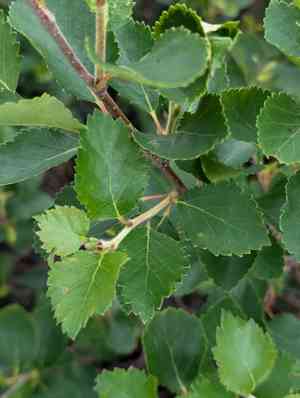
The dwarf white birch, a diminutive birch cultivar, is recognized by its reduced size and unique light-colored bark. Trim dwarf white birch in the latter part of winter or early spring to preserve its form and stimulate robust development. When pruning, prioritize the elimination of deceased or ailing branches, and thin out congested sections to improve light access and air movement. Consistent trimming also deters excessive growth, fosters a sturdy framework, and upholds the visual attractiveness of dwarf white birch. Prompt pruning guarantees energetic growth and an appealing silhouette.
What Are the Benefits of Pruning Dwarf White Birch?
What Are the Benefits of Pruning Dwarf White Birch?
Trimming dwarf white birch promotes robust development and maintains its compact form. Strategic cuts eliminate weak limbs, improve light penetration and air flow, decreasing disease risk and encouraging strong, healthy new growth.
What Is the Best Time for Pruning Dwarf White Birch?
What Is the Best Time for Pruning Dwarf White Birch?
Pruning dwarf white birch in late winter or early spring is ideal for several reasons. During these periods, dwarf white birch is typically dormant, reducing plant stress as it conserves energy for the growth surge that usually follows winter. This timing also coincides with the end of the coldest winter period, minimizing exposure of fresh cuts to extreme cold, which could cause damage. Furthermore, pruning before spring growth begins simplifies shaping the plant and managing its size effectively. By removing dead or damaged branches at this time, dwarf white birch can direct its energy toward producing healthy new growth in spring, resulting in a more vigorous and aesthetically pleasing plant.
What Tools Do I Need to Prune Dwarf White Birch?
Hand Pruners
Perfect for making precise cuts on dwarf white birch's thinner branches, typically those under 1/2 inch in diameter. Hand pruners offer the necessary control and accuracy without causing undue harm to the plant's delicate structure.
Lopping Shears
Suitable for cutting slightly thicker branches, usually up to 1 1/2 inches in diameter. The long handles of lopping shears provide leverage for clean cuts on dwarf white birch, helping to maintain its health and encourage dense foliage.
Pruning Saw
Essential for removing thicker branches exceeding 1 1/2 inches in diameter. A pruning saw helps manage the larger limbs of dwarf white birch without tearing the bark, promoting quick healing and preserving the tree's appearance.
Pole Pruner
Useful for reaching higher branches without needing a ladder. Pole pruners enable safe pruning of dwarf white birch, especially for maintaining its natural shape and removing any dead or diseased branches that are typically out of reach.
How to Prune Dwarf White Birch
Identify
Examine dwarf white birch for diseased and withered leaves, as well as dead and diseased branches. This is crucial for assessing the extent of pruning needed.
Sterilize
Sanitize all pruning tools with alcohol or a 10% bleach solution to prevent the spread of diseases when cutting dwarf white birch.
Prune leaves
Carefully remove diseased and withered leaves from dwarf white birch using sharp, sterilized secateurs. Ensure clean cuts to avoid damage to healthy parts.
Prune branches
Cut back dead and diseased branches of dwarf white birch to the point of healthy tissue. Make angled cuts to facilitate water run-off and promote healing.
Cleanup
Dispose of all removed material properly, far from healthy plants to prevent reinfection or pest infestation. Clean and re-sterilize tools after completion.
Common Pruning Mistakes with Dwarf White Birch
Overpruning
Removing too much foliage from dwarf white birch, which can stress the plant, leading to reduced vigor and increased susceptibility to diseases.
Improper cut locations
Cutting too close to the trunk or a main branch, which can damage the plant's natural protective barriers against pests and diseases.
Using dull tools
Pruning with dull or unclean tools, which can cause jagged cuts that are more vulnerable to infection and do not heal properly.
Flush cutting
Making flush cuts against the trunk or larger branches, removing the branch collar, which plays a critical role in the tree's natural healing process.
Common Pruning Tips for Dwarf White Birch
Correct tool selection
Use sharp, clean pruning shears or a pruning saw specifically for trimming dwarf white birch. This ensures clean cuts that heal quickly, preventing disease entry.
Cutting technique
Make cuts at a 45-degree angle, about a quarter inch above a bud that faces the outside of the plant. This direction encourages outward growth, improving air circulation and light penetration.
Judicious pruning
Prune no more than one-third of the total foliage in a single season to maintain plant health. Focus on removing dead, damaged, or diseased branches first.
Branch collar care
When removing larger branches, always cut just outside the branch collar – the swelling where the branch meets the trunk or a larger branch. This preserves the plant’s natural healing mechanism.



