The Dwarf white birch Plant Advantage: Maximizing Home and Office Appeal and Wellness
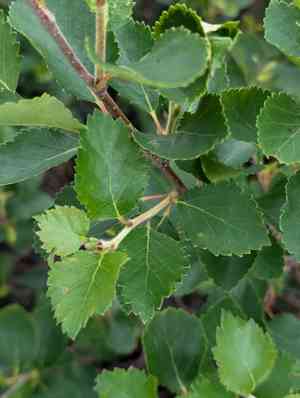
1
The dwarf white birch flourishes in infertile ground and endures severe climatic elements.
2
Its outer layer can be utilized for crafting decorative objects and domestic articles.
3
This flora provides superb aesthetic appeal for garden planning.
What Are the Ecological Advantages of Dwarf white birch?
Soil Improvement
Dwarf white birch aids in soil enrichment by enhancing its structure and fertility. Its fallen leaves decompose, returning essential nutrients to the earth, fostering healthier plant growth in the surrounding area.
Erosion Prevention
The root system of Dwarf white birch is effective at preventing soil erosion. When planted on inclines or in areas prone to erosion, it stabilizes the ground and lessens the chance of landslides or washouts. This makes Dwarf white birch an excellent option for landscaping in challenging terrains.
How Can Dwarf white birch Enhance Your Gardenâs Visual Appeal?
Attractive Bark
The striking white bark of Dwarf white birch adds visual interest and beauty to any garden. Its unique texture and color make it a prominent feature, especially during the colder months when many other plants have shed their leaves.
Seasonal Charm
Dwarf white birch offers year-round visual appeal with its seasonal changes. In spring and summer, its bright green leaves provide a lush backdrop, while in autumn, these leaves transform into a warm, golden hue. In winter, the bare white bark stands out against the snow, creating a picturesque winter scene.
What Are the Practical Applications of Dwarf white birch?
Crafting and DIY Projects
The bark of Dwarf white birch is widely utilized in crafting and DIY projects due to its flexible and durable nature. It can be shaped into various items such as baskets, canoes, and decorative ornaments, adding natural beauty to handmade creations.
Firewood and Kindling
Due to its ability to burn readily, Dwarf white birch bark is frequently used as kindling and firewood. It ignites quickly and produces a steady flame, making it highly valued in both outdoor and indoor wood-burning stoves and fireplaces.
Why Is Dwarf white birch Important for Local Fauna?
Habitat Provision
Dwarf white birch offers a habitat for various wildlife species. Birds, insects, and small mammals find shelter and sustenance within its branches and foliage. This makes Dwarf white birch a benefit to biodiversity, promoting a thriving ecosystem in your garden.
Food Source
The seeds and catkins of Dwarf white birch serve as a food source for various animals, including birds and small mammals. By planting Dwarf white birch, you contribute to the natural food chain and support local wildlife populations.
How to Care for and Maintain Dwarf white birch
Planting Requirements
Dwarf white birch prefers well-drained soil and can tolerate a range of soil types, including sandy and rocky soil. It thrives in full sunlight but can also grow in partial shade. When planting Dwarf white birch, ensure ample space for its root system to develop.
Watering and Pruning
Dwarf white birch requires consistent watering, especially during its initial years to establish strong roots. Once mature, it is relatively drought-tolerant. Pruning should be done in late winter or early spring to remove dead or diseased branches and to maintain the desired form.



