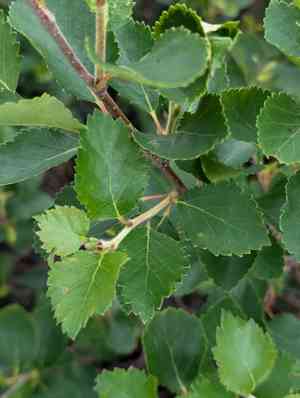
Dwarf white birch (Betula minor)
Also known as: Dwarf Birch
Betula minor, known as the dwarf white birch, is native to Eastern Canada and the northeastern United States, including states like Maine, New Hampshire, and New York.
In This Article
Attributes of Dwarf white birch
Lifespan
Perennial
Plant Type
Shrub
Plant Height
1-3 meters
Spread
1-2 meters
Leaf Color
Green
Flower Size
Catkins, about 1-2 cm in length
Flower Color
Yellow Green
Images of Dwarf white birch
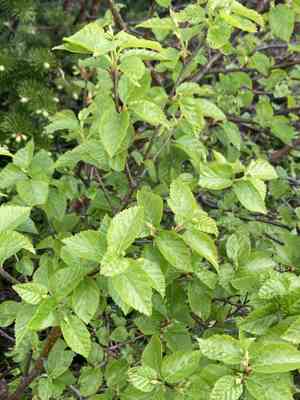
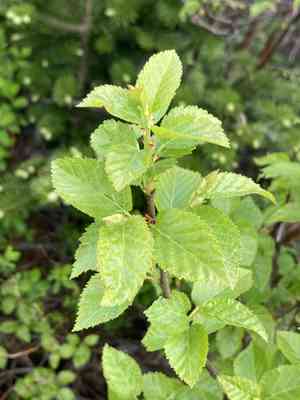
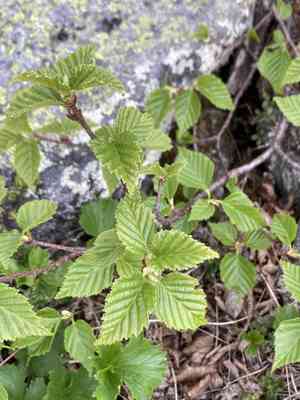
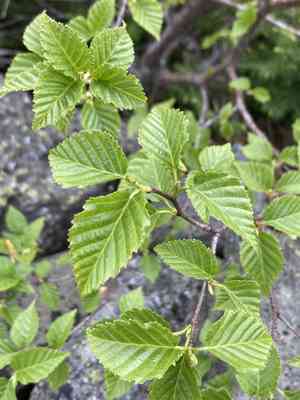
Quickly Identify Dwarf white birch
1
Identification skills for Betula minor include observing its small stature, typically growing between 1-3 meters, and its rounded leaves which are small and toothed. The bark is typically smooth and grayish white.
Scientific Classification of Dwarf white birch
Phylum
Vascular plants
Class
Dicotyledons
Order
Fagales
Family
Birch
Genus
Betula
Species
Dwarf white birch
Planting and Growing of Dwarf white birch
Care Difficulty
Easy
Watering Schedule
Every 4 days
Sunlight Requirements
Partial sun
Sunshine Duration
6-10 hours
Ideal Temperature
60-75℉
Soil Type
Potting Mix, Peat Mix
Soil pH
5-7
Fertilizer Type
Balanced
Pruning Season
Spring, Summer
Pruning Area
Branches, Leaves
Pruning Frequency
2 times a year
Repotting Season
Spring
Pot Type
Plastic, Terracotta
 How to Water Dwarf white birch?
Ensure the soil is evenly moist by providing Betula minor with approximately 500 milliliters of water per session. Water until you notice the water beginning to drain from the base, which indicates the soil has absorbed enough moisture without flooding.
What are the symptoms of an underwatered Dwarf white birch?
›
What should I do if my Dwarf white birch is not getting enough water?
›
What are the symptoms of an overwatered Dwarf white birch?
›
How to save an overwatered Dwarf white birch?
›
 What Are the Sunlight Requirements for Dwarf white birch?
Partial sun exposure is optimal, offering several benefits like improved growth, lush foliage, and enhanced resilience against environmental stresses.
How does Betula minor perform best?
›
How to achieve ideal lighting for Betula minor?
›
What are the benefits of ideal lighting for Betula minor?
›
 What Is the Ideal Temperature Range for Dwarf white birch?
The ideal temperature range of 60°F to 75°F provides Betula minor with optimal conditions for growth and development. Temperatures within this range help ensure efficient photosynthesis and nutrient uptake, essential for the healthy growth of the plant.
 What Soil is Best for Dwarf white birch?
Betula minor prefers soils that provide good drainage. Well-draining soil ensures that excess water doesn't stagnate around the roots, which could lead to root rot. This is beneficial for maintaining plant health and promoting vigorous growth. While Betula minor likes good drainage, it also thrives in soil that retains enough moisture without becoming waterlogged. This helps maintain a consistent moisture level, crucial for its growth cycle, especially during dry spells. A nutrient-rich loamy soil is ideal for Betula minor, as it supplies the minerals and organic nutrients necessary for optimal growth. This characteristic is beneficial for achieving lush foliage and robust stems.
 How to Fertilize Dwarf white birch?
For Betula minor, it's crucial to apply fertilizers in appropriate quantities to ensure optimal growth. Use about 1/2 cup of 10-10-10 granular fertilizer per tree. This should be spread evenly under the canopy, avoiding any direct contact with the trunk to prevent root burn.
 How to Prune Dwarf white birch?
Ensure you have sharp, clean pruning shears and gloves to protect your hands. Choose a day with mild weather to prevent stress on the tree. Start by inspecting the tree for any damaged or diseased branches that need to be removed. Begin by removing any dead or damaged branches. Cut them back to a healthy part of the stem or to the main trunk. Next, thin out crowded branches to allow light and air to penetrate the canopy. Make clean cuts at a slight angle to prevent water from collecting on the cut surface.
More About Pruning Techniques→
 How to Propagate Dwarf white birch plant?
1
Gather seeds from healthy Betula minor trees during late autumn when the seeds have matured. Ensure the cones have fully ripened for the seeds to be viable.
2
Select pencil-sized, healthy stems from the parent plant. Cut at a 45-degree angle using sterilized pruning shears to increase the surface area for rooting.
3
In early spring, dig up the plant and gently divide its rhizomes. Each section should have healthy roots and shoots for optimal growth when replanted.
 How to Repot Dwarf white birch plant?
1
Betula minor typically needs repotting when roots become visible at the drainage holes or when the soil becomes compacted. The best times to repot are early spring or autumn when the plant is not under extreme stress from heat or cold. Look for signs like slowed growth or roots circling the container to know it's time to repot.
2
Choose a pot with good drainage and slightly larger than the current one to give roots space to grow. Ensure it's made of a breathable material like terracotta, which helps prevent waterlogging and root rot, and supports healthy root development by allowing for air exchange.
3
Opt for a loamy, well-drained soil mix to mimic the plant's natural environment. This type of soil ensures adequate drainage while retaining enough moisture to nourish Betula minor. It provides essential nutrients while preventing issues related to overwatering.



