How to Transplant Betony?
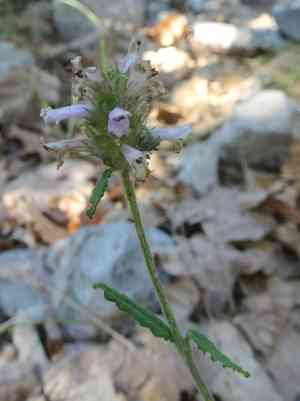
The optimal period for relocating betony extends from the middle to the end of spring or the beginning of summer, facilitating strong root development prior to the colder months. Select a site that receives full sun or partial shade and possesses soil with good drainage. Careful handling aids in successful adaptation.
Essential Preparations Before Relocating Betony?
Optimal Period for Betony Relocation?
The most favorable time for moving betony is from mid to late spring, extending into early summer. This timeframe offers a perfect blend of moderate temperatures and consistent moisture, conditions under which betony flourishes, developing a robust root system for vigorous growth. Utilizing this transplanting window not only aligns with the plant's natural growth cycle but also minimizes stress, ensuring a smooth transition to its new spot. This strategic timing is vital for betony's health and longevity, promoting a vibrant display in your garden.
Required Spacing Between Betony Plants?
When relocating betony, ensure a gap of approximately 1-2 feet (30-60 cm) between each plant. This provides ample room for development and promotes optimal health and growth. Avoid overcrowding – each betony requires its own space to thrive!
Ideal Soil Mixture for Betony Transplanting?
Betony is not overly particular about soil, but it prefers well-draining conditions. A good starting point is garden soil enriched with organic compost. Incorporate some slow-release base fertilizer before planting. Remember, healthy soil leads to a flourishing betony!
Preferred Location for Your Betony?
Betony enjoys a sunny spot in your garden but benefits from some afternoon shade. Aim for a location that receives morning sunlight and afternoon shade. Keep in mind, the right location is key to a happy and growing betony!
Necessary Equipment for Betony Transplantation?
Gardening Gloves
To safeguard your hands while handling soil and the betony plant.
Shovel
Useful for excavating appropriate holes for the betony and for extracting it from its original position if needed.
Hand Trowel
This implement is helpful for refining your planting hole and also effective for removing potted betony.
Watering Can
Crucial for hydrating the betony both before and after the transplanting process.
Organic Compost
It enriches the soil with essential nutrients, promoting the betony plant's vigor after transplanting.
Gardening Pruners
Required for trimming away any dead or damaged roots from the betony.
How to Extract Betony from the Soil?
How to Extract Betony from the Soil?
From Ground: First, water the betony thoroughly to moisten the soil. Then, using a shovel, dig widely around the plant, ensuring the root ball remains undisturbed. Next, work the shovel beneath the root ball to lift the betony without harming its roots.From Pot: Water the potted betony so it can slide out easily. Invert the pot and gently tap it to release the betony along with the soil. Be extremely careful not to damage the delicate roots.From Seedling Tray: Water the seedling tray to moisten the root ball for easy handling. With a trowel, carefully loosen the soil around each betony. Scoop under each seedling to lift it out, making sure to retain as much soil around the roots as possible.
Step-by-Step Guide for Relocating Betony
Preparation
Gather your gardening tools and ensure the planting site for betony is ready. This involves cleaning your tools to prevent disease spread and measuring the spacing for each plant.
Hole Digging
Excavate a hole twice the width and equal in depth to the betony's root ball using your shovel.
Placing the Plant
Position the betony in the hole. Ensure the top of the root ball is level with the ground surface, neither too deep nor too shallow.
Backfilling
Refill the hole with soil, gently firming the soil around the base of the betony to secure it in place.
Watering
Thoroughly water the betony. This will help settle the soil and minimize transplant shock.
Mulch Adding
Spread organic mulch around the betony to help retain soil moisture and regulate soil temperature. Keep the mulch a few inches away from the stem to prevent rot.
Post-Transplant Care for Betony?
Watering
For the initial couple of weeks, check betony daily and keep the soil consistently moist. This aids in developing strong roots.
Checking
Regularly examine betony for indications of stress, such as wilting, yellowing, or dropped leaves. If these signs appear, adjust your care accordingly.
Pruning
If your betony shows signs of stress after transplanting, consider pruning to reduce its water demand and facilitate quicker recovery.
Protection
Depending on the season, consider using a shade cloth to shield the newly planted betony from intense afternoon sun or a frost cloth during cold nights.
Resolving Common Betony Transplantation Issues.
Optimal time for betony relocation?
The best season to move betony is from late spring to early autumn (S2-S4). The plant adapts better when transplanted during this period.
Ideal spacing for betony during transplanting?
When relocating betony, allow 1-2 feet (30-60 cm) of space between each plant. This provides ample room for proper root development.
Preferred soil conditions for betony during transplanting?
Betony thrives in rich, well-drained soil. It's crucial to ensure the soil's pH level is neutral to slightly acidic for optimal growth.
What if betony roots appear too dry?
If betony roots seem dry, immerse them in water for several hours before transplanting. This revitalizes the roots and aids in better establishment.
How to water betony after transplanting?
After relocating betony, keep the soil consistently moist but not waterlogged. Excessive watering can lead to root rot, which is detrimental to the plant.
Required sunlight for betony after transplanting?
Post-transplanting, betony needs a location with full sunlight to partial shade. If in an overly shaded area, the plant might not grow properly.
When to fertilize betony after transplanting?
Begin fertilizing betony 3-4 weeks after transplanting, allowing the plant to acclimate to its new environment first. Use a balanced, slow-release fertilizer.
Can betony be transplanted while flowering?
Moving betony during its blooming period might stress the plant. It's best to transplant when the plant is not flowering.
What if betony leaves start wilting after transplanting?
Wilting after transplanting could indicate betony is experiencing transplant shock. Ensure adequate watering and shade from midday sun. If the condition persists, consult a gardener.
How deep to plant betony when transplanted?
Betony should be planted so the top of the root ball is at the same level as the soil's surface. Planting too deep might suffocate the plant.



