Enhancing Your Garden Design with the Betony Plant: A Landscaping Guide
1
Betony offers aesthetic charm through its vivid blossoms and leaves.
2
Betony pairs well with diverse companion plants to improve garden aesthetics.
3
Strategic positioning and seasonal maintenance of Betony can optimize its flowering capacity.
Introducing Betony to Your Outdoor Space
Betony's Aesthetic Appeal
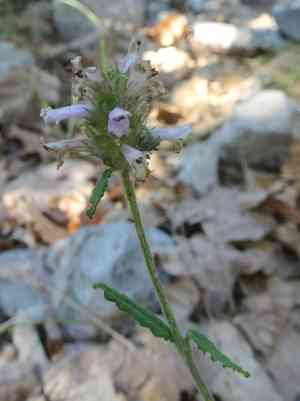
When selecting plants to enhance your garden's beauty, Betony stands out due to its striking visual qualities. Its vibrant blossoms, ranging from purple to pink, contrast beautifully with its rich green foliage. This makes Betony a captivating addition to any garden, providing a splash of color and texture. The plant's structural form also adds vertical interest, making it a flexible element in landscape design. Whether you're aiming for a natural, cottage-style garden or a more structured, formal look, Betony can seamlessly integrate into various design themes.
Companion Plants for Betony
To achieve a cohesive garden design, it's crucial to pair Betony with suitable companion plants. Consider using plants with contrasting foliage or flowers that bloom at different times to ensure continuous interest throughout the year. For instance, fine-textured grasses can complement Betony's bold, broad leaves, while plants like Salvia, Echinacea, or Lavandula can enrich the color palette with their purple and pink hues. These combinations not only boost visual appeal but also support a diverse ecosystem by attracting pollinators and other beneficial wildlife to your garden.
Optimal Placement of Betony in Gardens
Ideal Locations for Planting Betony
Selecting the right spot for Betony in your garden is crucial for its growth and flowering potential. Betony thrives in well-drained soil and can tolerate both full sun and partial shade. Consider planting it in areas where it receives morning sun and some afternoon shade, especially in warmer climates. Excellent locations include garden borders, along pathways, or as part of a mixed perennial bed. The plant's adaptability to various light conditions makes it a versatile choice for different garden settings.
Maximizing Flowering Potential
To ensure Betony flowers to its fullest, proper care and placement are essential. Regular watering, particularly during dry spells, will help maintain soil moisture. However, be careful not to overwater, as Betony prefers slightly dry conditions. Mulching around the base can help retain moisture and regulate soil temperature. Additionally, removing spent flowers can encourage more blooms and maintain a tidy appearance. Fertilize with a balanced, slow-release fertilizer in spring to provide the necessary nutrients for vigorous growth.
Seasonal Considerations for Betony
What to Expect in Spring
In spring, Betony begins to emerge from its winter dormancy, with new shoots appearing as the soil warms. This is an ideal time to assess and prepare the garden bed. Remove any winter mulch or debris that might impede new growth. Spring is also the perfect season to divide and transplant Betony if it has become overcrowded. This helps rejuvenate the plant and promotes healthy growth. As temperatures rise, ensure the plant receives adequate moisture, and consider applying a fresh layer of mulch to conserve soil moisture and suppress weeds.
Preparing Betony for Winter
Preparing Betony for the cold winter months involves a few simple steps. After the final bloom cycle, cut back the plant to tidy up the garden space and reduce the risk of disease. Apply a layer of mulch around the base to protect the roots from freezing temperatures. In regions with harsh winters, additional protection such as covering Betony with burlap or frost cloth can help insulate the plant. Minimal winter care can ensure that Betony emerges strong and ready for another blooming season when spring arrives.



