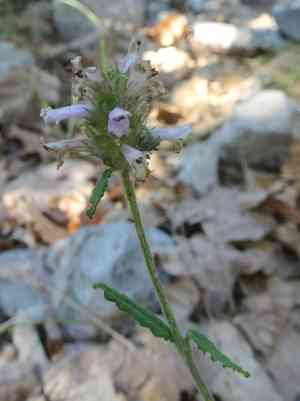
Betony (Betonica officinalis)
Also known as: Bishop's wort, Common hedgenettle, Lousewort, Woundwort
Betony, a perennial herb with purple flowers, is native to Europe, Africa, and Asia and belongs to the mint family. In ancient folklore, it was believed to have protective properties against sorcery, goblins, and nightmares. Churches often included betony in their gardens to ward off ghosts.
In This Article
Attributes of Betony
Lifespan
Perennial
Plant Type
Herb
Plant Height
46 cm to 61 cm
Spread
45 cm
Leaf Color
Green
Flower Size
4 cm
Flower Color
Purple Red
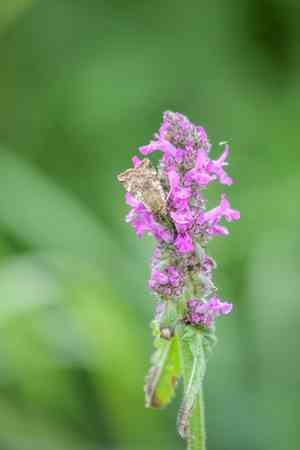
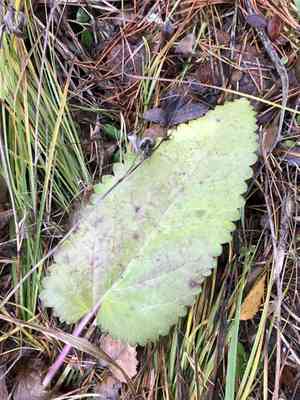
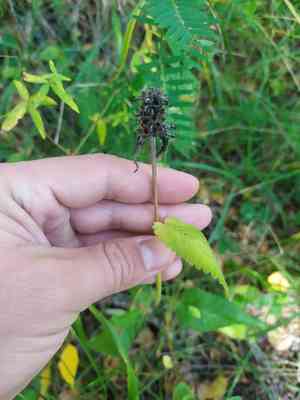
Images of Betony
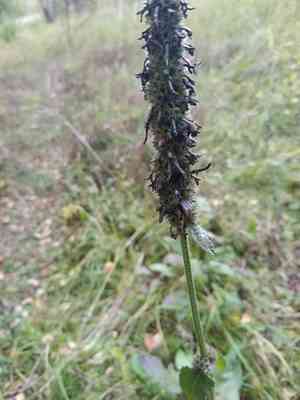
Quickly Identify Betony
1
Purple-red, two-lipped flowers with distinctive three-lobed structure.
2
Schizocarp fruit that splits into single-seeded segments with fine bristles.
3
Long-stemmed lanceolate leaves at the base, oblong stemless leaves above.
4
Soft, hairy, non-branching stems reaching 2 feet (60 cm) in height.
Scientific Classification of Betony
Phylum
Vascular plants
Class
Dicotyledons
Order
Lamiales
Family
Mint
Genus
Heal-all
Species
Betony
Planting and Growing of Betony
Care Difficulty
Easy
Watering Schedule
Every 4 days
Sunlight Requirements
Partial sun
Sunshine Duration
6-10 hours
Ideal Temperature
65-75℉
Soil Type
Potting Mix, Peat Mix
Soil pH
6.2-7.5
Fertilizer Type
Balanced
Pruning Season
Spring, Summer
Pruning Area
Branches, Leaves
Pruning Frequency
2 times a year
Repotting Season
Spring
Pot Type
Plastic, Ceramic
 How to Water Betony?
Water Betonica officinalis with about 200 ml each time. This plant prefers well-drained soil and a moderate amount of water. Ensure the topsoil is dry before each watering session to prevent overwatering.
What are the symptoms of an underwatered Betony?
›
What should I do if my Betony is not getting enough water?
›
What are the symptoms of an overwatered Betony?
›
How to save an overwatered Betony?
›
 What Are the Sunlight Requirements for Betony?
Betonica officinalis flourishes best in partial sun, benefiting from morning light and avoiding harsh afternoon rays. This balance ensures healthy growth and vibrant blooms, while minimizing stress.
More About Sunlight Requirements Techniques→
How much light does Betonica officinalis need?
›
What solutions are there for ideal light?
›
What are the benefits of ideal lighting?
›
 What Is the Ideal Temperature Range for Betony?
The ideal temperature range for Betonica officinalis is between 65°F to 75°F. This range ensures optimal growth and flowering while promoting healthy physiological functions within the plant. Maintaining temperatures within this range helps in maximizing photosynthesis and nutrient uptake.
 What Soil is Best for Betony?
Betonica officinalis thrives in nutrient-rich soils that support its growth and vibrant flowers. A well-enriched soil ensures the plant has access to essential minerals and nutrients needed for optimum health and longevity. Good drainage is crucial for Betonica officinalis to prevent root rot and other water-related issues. Well-drained soil allows excess water to escape, ensuring the roots have access to vital oxygen and preventing waterlogging. Providing moderately moist soil conditions helps maintain Betonica officinalis's health, as it ensures that the plant receives even moisture without being subject to drought stress or excessive wetness.
More About Soil→
 How to Fertilize Betony?
For Betonica officinalis, a balanced fertilizer with an N-P-K ratio such as 10-10-10 is ideal. Use approximately 1/4 cup per mature plant or follow specific product instructions per square foot. Ensure to water adequately to avoid fertilizer burns.
More About Fertilizing Techniques→
 How to Prune Betony?
To prune Betonica officinalis, start with a pair of sharp, clean pruning shears to avoid damaging the plant. Identify dead or diseased stems and leaves, and remove them close to the base. Trim back any leggy or overgrown areas to maintain a compact shape. Pruning in this manner encourages robust growth and more flower production. To encourage blooms, focus on deadheading, which involves removing faded or spent flowers before they set seed. Pinch them off at the stem, allowing the plant to conserve energy for producing new flowers. This not only keeps the plant looking tidy but also prolongs the flowering period throughout the season.
More About Pruning Techniques→
 How to Propagate Betony plant?
1
Begin by collecting seeds from a mature Betonica officinalis plant. Clean the seeds and soak them in water for 24 hours to enhance germination. Ensure they are not overcrowded to prevent competition for resources.
2
Fill seed trays or pots with a well-draining substrate. Sow the seeds on the surface, lightly covering them with a thin layer of soil. Maintain a steady moisture level and place them in a warm, well-lit area.
3
In early spring, dig around an established plant, being careful to retain roots. Gently separate into smaller sections, each with healthy roots and shoots, and replant immediately into prepared soil.
 How to Repot Betony plant?
1
Betonica officinalis, or wood betony, gives clear signals when it needs repotting. Look for signs such as roots growing through the drainage holes or circling the upper layer of soil. A significant slowdown in growth despite favorable conditions is another indication. These signs often mean that the plant's roots have outgrown the current pot's capacity.
2
For Betonica officinalis, selecting a pot that is about 2 inches larger in diameter than the current one is ideal. This size ensures sufficient space for growth without overwhelming the plant with excess soil, which can retain too much moisture. Ensure the pot has drainage holes to prevent waterlogging and root rot, promoting a healthier environment for root development.
3
Opt for a well-draining potting mix for Betonica officinalis to prevent water stagnation, which can lead to root rot. A mix containing peat, perlite, and a bit of sand works well, balancing fertility with drainage. This kind of soil mimics the natural conditions of its native habitat, promoting robust growth and vibrant blooms.



