How to Prune Betony?
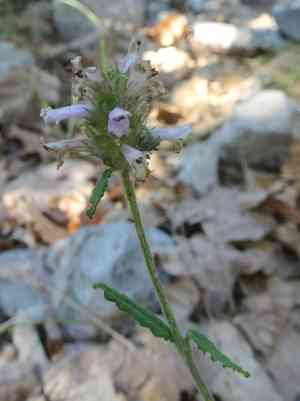
A cherished perennial herb in horticultural settings, betony is recognized for its spiky blossoms and therapeutic attributes. To preserve its well-being and foster flowering, perform pruning in spring once the final frost has passed. Snip off spent blooms during summer to encourage a subsequent flowering period. Reduce the foliage to ground level in late autumn to neaten the plant and stimulate robust development for the following season. Trimming this variety elevates the plant's vigor and refines its dense shape.
What Are the Benefits of Pruning Betony?
What Are the Benefits of Pruning Betony?
Trimming betony promotes stronger development and maintains an attractive shape. This essential maintenance step helps rejuvenate the plant's vitality and keeps it looking its best.
What Is the Best Time for Pruning Betony?
What Is the Best Time for Pruning Betony?
Cutting betony in late spring coincides with its post-flowering period, typically after it blooms in early to mid-spring. This timing allows gardeners to shape the plant and remove spent blossoms, encouraging a second flush of flowers and preventing unwanted self-seeding. Early summer pruning is also appropriate as it keeps betony neat and can stimulate new growth. Pruning during these seasons ensures the plant has ample time to recover and grow before winter arrives, which is crucial for its health and resilience for the subsequent growing season.
What Tools Do I Need to Prune Betony?
Hand Pruners
Perfect for making precise cuts on betony, suitable for deadheading and shortening stems. Opt for bypass pruners as they deliver clean, healthy cuts without crushing plant tissue.
Garden Scissors
Useful for snipping off faded flowers and gently shaping betony. These scissors offer greater control for delicate tasks.
Gloves
Wearing gloves is important to safeguard your hands from cuts and any potential skin irritants present while pruning betony.
Pruning Saw
For mature betony with thicker stems that hand pruners cannot manage, a pruning saw can simplify the task. However, this tool is typically only needed for older, more woody specimens.
Shears
If shaping a hedge or a large cluster of betony, shears can quickly and efficiently cut through multiple stems simultaneously.
How to Prune Betony
Identify
Examine betony thoroughly to locate diseased leaves, withered leaves, and diseased stems. Look for any indications of discoloration, spots, or irregularities suggesting illness or decay.
Sanitize
Before you begin pruning, clean and disinfect your pruning tools with a solution of one part bleach to nine parts water to prevent the spread of any disease to healthy parts of betony.
Remove Diseased Leaves
Carefully remove diseased leaves by snipping them off at their base where they connect to the stem. Ensure you do not tear or damage the stems of betony while removing the leaves.
Remove Withered Leaves
Trim withered leaves to maintain the aesthetic appeal and overall health of betony. Use the same method as for diseased leaves, cutting them off where they join the stem.
Cut Diseased Stems
Cut back diseased stems to healthy tissue. If the entire stem is affected, remove it at the base using clean, sharp pruning shears, making sure to cut at an angle to promote water runoff and prevent disease.
Common Pruning Mistakes with Betony
Over-Pruning
Removing too much foliage from betony at once can shock the plant and hinder growth. Experts advise against removing more than one-third of the plant material during a single pruning session.
Improper Cuts
Incorrect cutting techniques may harm betony. Cuts should be made at a 45-degree angle just above a leaf node or bud to encourage proper healing and new growth.
Using Dull Tools
Dull pruning tools can cause damage to the stems of betony by crushing rather than making a clean cut. This can introduce disease and impede recovery.
Neglecting Cleanliness
Using dirty pruning tools can introduce pathogens to betony. It is essential to disinfect pruning shears before use to prevent the spread of disease.
Pruning Healthy Growth
Pruning vigorous, healthy growth without reason can limit the bloom potential of betony. Removing diseased or dead tissue is usually sufficient to maintain the plant's health.
Common Pruning Tips for Betony
Sanitization
Before pruning betony, always sanitize the tools. This can be done by wiping the blades with alcohol or a bleach solution.
Selective Pruning
Focus pruning efforts on dead, diseased, or damaged stems to promote the health and aesthetics of betony. Ensure that healthy growth is preserved to maintain a robust plant structure.
Encouraging Bushiness
Lightly pruning the tips of betony can create a denser, bushier plant. Make judicious cuts to shape the plant and encourage new shoots.
Supporting Flowering
Betony benefits from pruning that encourages flowering. Remove faded flowers to allocate the plant's energy towards new blooms and growth.
Timing Of Cuts
While timing is excluded, the actual moment of making the cuts during pruning is crucial. Cuts should be swift and confident to minimize damage and stress to betony.



