How to Transplant Willow groundsel?
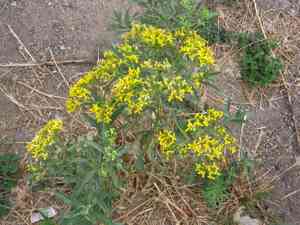
Transplanting willow groundsel flourishes optimally when performed during its prime growth period, specifically from mid to late spring. This timeframe fosters robust root establishment prior to the summer season. Select a location offering partial shade and efficient drainage. Careful manipulation is crucial due to its fragile root system.
What Preparations are Needed Before Transplanting Willow Groundsel?
What is the Ideal Time for Transplanting Willow Groundsel?
The optimal window to move willow groundsel spans from mid-spring to early summer. This timing allows them to firmly establish roots before intense heat. Relocating willow groundsel during this prime interval ensures that moderate temperatures and increased moisture levels support their development. Favorable weather conditions will ease their adjustment and potentially boost survival rates, making this an excellent transplanting time.
How Much Space Should You Leave Between Willow Groundsel Plants?
To provide your willow groundsel with adequate room to flourish, plan to space them approximately 24-36 inches (61-91 cm) apart. This spacing accommodates growth and prevents competition for nutrients or sunlight.
What is the Best Soil Mix for Willow Groundsel Transplanting?
For willow groundsel, select a soil that drains well and is rich in organic material. Incorporate a balanced, slow-release fertilizer to prepare the bed, giving your perennials a robust beginning.
Where Should You Relocate Your Willow Groundsel?
Choose a location for your willow groundsel that receives ample sunlight, as these plants thrive in bright conditions. An area that gets at least 6 hours of direct sun daily is perfect for their growth and vitality.
What Equipments Should You Prepare Before Transplantation Willow Groundsel?
Gardening Gloves
To safeguard your hands while handling soil and the plant.
Shovel or Spade
For digging around and beneath the root ball for extraction.
Garden Fork
To loosen the soil surrounding the plant if necessary.
Pruning Shears
To trim any damaged or excessively long roots.
Wheelbarrow or Plant Cart
To move the willow groundsel plant from its original spot to the new location.
Watering Can or Hose
For hydrating the willow groundsel plant before and after relocation.
Mulch
To aid in retaining soil moisture and suppressing weeds around the new planting site.
Tarp or Burlap
To cover and safeguard the root ball during transport if required.
How Do You Remove Willow Groundsel from the Soil?
How Do You Remove Willow Groundsel from the Soil?
From Ground: Begin by watering the willow groundsel plant to moisten the soil, making it easier to manage. Carefully dig a circle around the plant, leaving ample space to avoid root damage. Use a shovel or spade to lever under the root ball and gently lift the plant from the ground.From Pot: First, water the willow groundsel plant to help the roots and soil remain intact. Tilt the pot sideways and gently tap or squeeze the sides to loosen the soil. Slide the plant out, supporting the root ball to prevent strain on the plant.From Seedling Tray: Dampen the soil in the seedling tray. Employ a garden fork or a small tool to lift the willow groundsel seedling, taking care not to harm the delicate roots. Handle the seedling by its leaves rather than the stem to minimize injury risk.
Step-by-Step Guide for Transplanting Willow Groundsel
Plant Preparation
Trim any broken or dead roots or foliage using pruning shears to encourage healthy growth and simplify the transplanting of willow groundsel.
Digging the New Hole
Excavate a hole in your prepared site that is twice the width of the willow groundsel's root ball and of equal depth, ensuring the plant sits at the same level as its original position.
Placement
Position the willow groundsel plant into the new hole, making sure it is upright and at the correct depth. Gently spread out the roots if the plant was pot-bound or if the roots were circling the root ball.
Backfilling
Carefully refill the hole with soil, patting it down around the willow groundsel to eliminate air pockets without compacting the soil too much, which can hinder root growth.
Watering
Water your willow groundsel thoroughly after planting to settle the soil and remove any remaining air pockets. Apply water directly to the root zone.
Mulching
Apply a layer of mulch around the base of willow groundsel, avoiding direct contact with the stem, to help maintain soil moisture and temperature.
How Do You Care For Willow Groundsel After Transplanting?
Monitoring Growth
Observe the willow groundsel for indications of stress and ensure steady development. Stunted growth or wilting might suggest the plant is not adapting well. Be sure to inspect regularly.
Pruning
Remove any dead or damaged foliage to help the willow groundsel direct energy towards new growth and root establishment.
Mulching
Replenish mulch as needed to sustain the benefits of moisture retention, particularly during the initial growing season after transplanting.
Watering
Keep the soil around the willow groundsel consistently moist, but not waterlogged, for the first few weeks post-transplant to aid in developing strong roots.
Troubleshooting Common Issues with Willow Groundsel Transplantation.
What's the best time to transplant willow groundsel?
The ideal period is from mid-spring to late spring when the weather is mild.
How far apart should I space my willow groundsel plants?
Aim for a distance of 24-36 inches (61-91 cm) to allow ample growth room.
Why is my willow groundsel wilting after transplanting?
It may be due to transplant shock. Keep the soil moist and avoid direct sunlight for a few days.
How deep should the planting hole be for willow groundsel?
The hole should be as deep as the root ball and twice as wide to encourage root development.
Can I transplant willow groundsel during the summer?
It's best to wait until the recommended period, as summer heat can stress the plant.
What soil type is best for transplanting willow groundsel?
Well-draining soil enriched with organic matter will give your willow groundsel a good start.
How much should I water willow groundsel after transplanting?
Water thoroughly after planting and then regularly, allowing the soil to nearly dry out in between.
What should I do if the leaves of willow groundsel turn yellow post-transplant?
Yellowing may signal overwatering or poor drainage. Adjust your watering schedule and ensure proper drainage.
Can willow groundsel be transplanted on cloudy days?
Yes, overcast days are ideal as they reduce stress on the plant by limiting sun exposure.
Should I fertilize willow groundsel immediately after transplanting?
Wait 4-6 weeks before fertilizing to allow your willow groundsel to settle into its new location without extra stress.



