How to Prune Willow groundsel?
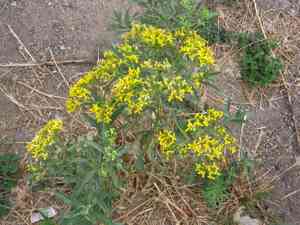
This enduring woody plant, recognized for its willow-like leaves and vibrant yellow blossoms, flourishes across diverse environments. For willow groundsel, perform pruning during the winter season to preserve its form and stimulate fresh development. Trim away any deceased or frail stalks, diminish its dimensions if it has become too large, and eliminate faded blooms to foster further flowering. Appropriate trimming improves air movement, thereby lowering the likelihood of ailments. Regular seasonal pruning results in a more robust and visually appealing specimen.
Advantages of Trimming Willow Groundsel
Advantages of Trimming Willow Groundsel
Trimming willow groundsel promotes robust development by removing dead or weak stems. It also helps maintain the plant's form for a more attractive garden appearance.
Optimal Time for Trimming Willow Groundsel
Optimal Time for Trimming Willow Groundsel
Trimming willow groundsel from late winter to early spring enables the plant to focus its energy on producing new growth immediately after cuts. This timing minimizes potential frost damage to new growth, as frost risk typically lessens post-winter. Furthermore, this is willow groundsel's dormant period, reducing stress or shock from pruning. Removing dead or diseased wood at this time helps prevent pathogen spread during active growth. This timing also avoids disrupting the flowering period, as willow groundsel blooms in summer, and cutting it back after flowering could remove next year's buds.
Tools Required for Trimming Willow Groundsel
Hand Pruners
Perfect for making clean cuts on willow groundsel's smaller stems and branches, typically up to 3/4 inch in diameter. Their bypass blade design allows for precise, healthy cuts without harming plant tissue.
Lopping Shears
Recommended for cutting through thicker branches of willow groundsel up to 1 1/2 inches in diameter. These shears feature long handles that provide leverage for easier, more efficient work.
Pruning Saws
Essential for removing larger, mature branches from willow groundsel that are too thick for loppers. A pruning saw with a curved blade is especially suited for accurate and controlled cuts on branches exceeding 1 1/2 inches thick.
Hedge Shears
Willow groundsel can be shaped into a hedge, and hedge shears are suitable for trimming and shaping the foliage. They are designed to create straight, clean lines and even surfaces for hedges.
Pole Pruner
Useful for reaching and safely trimming high or hard-to-reach branches of willow groundsel without needing a ladder. They come with a pruning blade and often a saw attachment.
Gardening Gloves
Important for personal protection against scratches or cuts while trimming willow groundsel and improving tool grip.
Sharpening Stone
Keeping cutting blades sharp is crucial for making clean cuts and reducing stress on both the gardener and willow groundsel. Dull tools can cause jagged cuts, making willow groundsel more vulnerable to disease.
How to Trim Willow Groundsel
Clean Tools
Before beginning, clean and sterilize your trimming tools to prevent disease spread to willow groundsel. Use a bleach or alcohol solution to wipe the blades.
Prune Withered Leaves
Carefully inspect willow groundsel for withered leaves. Gently trim these leaves at their base without damaging healthy tissue to promote better air circulation and light exposure.
Remove Dead Branches
Identify dead branches on willow groundsel by looking for dry, brittle bark that lacks green tissue when lightly scraped. Use sharp pruning shears to make clean, 45-degree angle cuts just above a healthy bud or branch junction.
Trim Diseased Branches
Check willow groundsel for any signs of diseased branches, indicated by discoloration or abnormal growth. Cut these branches well below the affected area and dispose of them properly to prevent disease spread.
Shape The Plant
Finally, shape willow groundsel by selectively trimming to promote a balanced structure. Avoid over-pruning, which can stress the plant. Cut back to a lateral branch or bud facing the desired direction of new growth.
Common Trimming Errors with Willow Groundsel
Over-Pruning
Cutting back too much can stress willow groundsel and hinder its growth. It's important to remove only what's necessary, such as dead or diseased wood, while preserving the plant's natural shape.
Improper Cut Placement
Incorrectly placed cuts can harm willow groundsel. Cuts should be made at a 45-degree angle just above a bud that faces the outside of the plant. This encourages outward growth and prevents water from collecting on the cut surface.
Using Dull Tools
Utilizing dull trimming shears can cause jagged cuts that are more prone to infection. Always use sharp, clean tools to make smooth, clean cuts.
Ignoring Plant Structure
Not considering the natural form of willow groundsel can lead to a poor trimming job that does not complement the plant's growth habit. Understand the growth pattern before trimming.
Forgetting To Sanitize Tools
Trimming with dirty tools can spread disease. It's important to disinfect trimming tools before use to prevent transferring pathogens to willow groundsel.
Pruning Too Early
Trimming at the wrong time can remove developing buds and decrease flowering. Since seasonal timing is excluded from the advice, ensure trimming does not coincide with bud development.
General Trimming Advice for Willow Groundsel
Focus On Dead Or Diseased Branches
Regularly remove dead, diseased, or damaged wood to maintain willow groundsel's health and vitality. This helps the plant direct energy to healthy growth.
Maintain Natural Shape
When trimming willow groundsel, aim to maintain its natural shape for aesthetic purposes and to promote a strong structure.
Encourage Air Circulation
Thin out dense growth to improve air circulation, which helps prevent fungal diseases. However, maintain sufficient foliage to ensure willow groundsel's ability to photosynthesize effectively.
Prune To Invigorate
Occasionally, selectively remove older branches to stimulate new growth and rejuvenate willow groundsel.
Gradual Rejuvenation
If willow groundsel requires significant rejuvenation, spread the trimming out over several seasons to avoid shocking the plant.
Cut To Healthy Tissue
When removing diseased wood, always cut back to healthy tissue, ensuring no diseased portions are left behind to infect new growth.



