How to Propagate Willow groundsel?
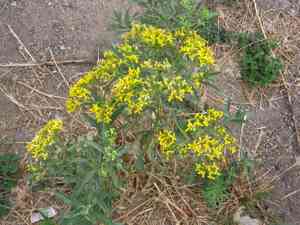
Senecio salignus, a perennial herb, can be successfully multiplied by seed dispersal. Gather the seeds once they are completely ripe and plant them in a porous substrate, consisting of sand and peat, to encourage robust root formation. It is essential to keep the soil consistently damp without saturating it. For best germination rates, ensure a steady setting with sufficient diffused illumination. Proper spacing will help avert congestion and the potential for fungal infections.
Optimal Time for Willow Groundsel Propagation
Propagation Method
Cutting
Propagation Period
Spring,Summer
Tools for Willow Groundsel Propagation
Sharp pruning shears
These are vital for making clean, precise cuts when taking willow groundsel cuttings. A smooth cut minimizes harm to the parent plant and boosts the likelihood of successful rooting. Sharp blades prevent tissue crushing, which can cause infection and poor root growth.
Rooting hormone powder
This product stimulates root development in willow groundsel cuttings. Dipping the cutting's base into the powder encourages faster and more dependable root formation. This is especially beneficial for willow groundsel, ensuring robust and viable new plants.
Sterile potting mix
A pathogen-free medium is essential to prevent introducing diseases to new cuttings. For willow groundsel, a light, well-draining potting mix improves aeration and moisture retention, key factors for root development during the delicate initial stages.
Propagation trays
These containers are used to hold willow groundsel cuttings within the potting mix. Their size and design allow for proper spacing, ensuring each cutting has ample room for root growth without overcrowding, which can lead to moisture-related problems like mold.
Plastic covers or humidity domes
These tools help maintain ideal humidity levels around willow groundsel cuttings, which is crucial for encouraging root formation. The cover also shields cuttings from external stressors like direct sunlight and pests, while providing a stable growth environment.
How to Propagate Willow Groundsel?
Propagation Type
Moderately Difficult
Caring for Newly Propagated Willow Groundsel
Caring for Newly Propagated Willow Groundsel
Once roots have formed and willow groundsel shows new growth, gradually introduce it to less humid conditions by removing any cover. Transplant it to a larger pot or into the garden in an area resembling its natural habitat, typically sunny with well-draining soil. Consistent watering, especially during dry spells, is important, but avoid overwatering. Applying a balanced fertilizer every few months can also support healthy growth and flowering.
Common Mistakes to Avoid When Propagating Willow Groundsel
Overwatering
Excessive watering of willow groundsel can lead to root rot, which is harmful as this species thrives in well-drained conditions. Overwatered plants may display yellowing leaves and stunted growth.
Using non-sterile tools
Propagation efforts can fail if contaminated tools are used, as diseases and fungi can easily transfer to willow groundsel, hindering healthy growth or even killing the cuttings.
Cutting too short a stem
Taking very short cuttings (under a few inches) can result in insufficient area for necessary root development. This makes it harder for willow groundsel to establish a strong root system, which is vital for successful propagation and overall health.
Tips For Propagating Willow Groundsel
Use well-draining soil
Employing a mix that offers excellent drainage is vital for willow groundsel, as it mimics their natural environment and prevents issues linked to excessive moisture, such as root rot.
Ensure cuttings are the proper length
Select stem cuttings of an appropriate length, typically between 4 to 6 inches. This length provides a balance between having enough leaf nodes for photosynthesis and sufficient stem to securely plant in the substrate.
Sterilize propagation tools
Before use, ensure all tools are clean and sterilized to prevent disease spread to willow groundsel. This practice helps maintain overall health and increases the success rate of propagation efforts.



