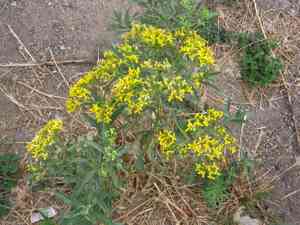
Willow groundsel (Barkleyanthus salicifolius)
Also known as: Willow Baccharis, Seep Willow
Willow groundsel (Barkleyanthus salicifolius) is a flowering shrub native to the southwestern United States, Mexico, and Central America. In some parts of Mexico, it is abundant enough to be considered a weed, although it is also grown as an ornamental plant. Additionally, it is used in certain corn insecticides.
In This Article
Attributes of Willow groundsel
Lifespan
Perennial
Plant Type
Shrub
Plant Height
1 m to 4 m
Spread
1.2 m to 2.5 m
Leaf Color
Green
Flower Size
0.5 to 1 inch (approximately 1 to 2.5 centimeters)
Flower Color
Yellow
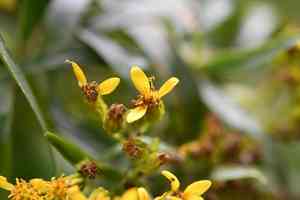
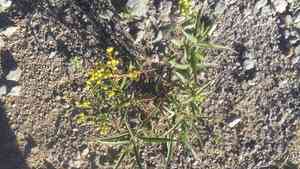
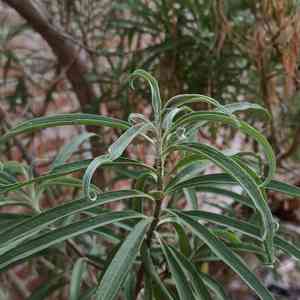
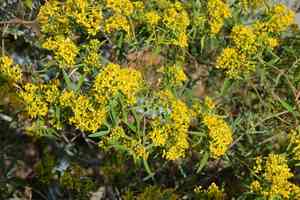
Images of Willow groundsel
Quickly Identify Willow groundsel
1
Look for lanceolate leaves that resemble willow leaves, yellow flower heads in dense clusters, and a shrubby stature. The leaves are alternately arranged and the plant often grows in moist environments.
Scientific Classification of Willow groundsel
Phylum
Vascular plants
Class
Dicotyledons
Order
Asterales
Family
Daisy
Genus
Willow ragwort
Species
Willow groundsel
Planting and Growing of Willow groundsel
Care Difficulty
Easy
Watering Schedule
Every 4 days
Sunlight Requirements
Full sun
Sunshine Duration
4-8 hours
Ideal Temperature
65-75℉
Soil Type
Potting Mix, Peat Mix
Soil pH
6.5-7.5
Fertilizer Type
Balanced
Pruning Season
Spring, Summer
Pruning Area
Branches, Leaves
Pruning Frequency
2 times a year
Repotting Season
Spring
Pot Type
Plastic, Terracotta
 How to Water Willow groundsel?
When watering Barkleyanthus salicifolius, aim for approximately 300 ml per watering session. This amount ensures that the soil remains moist but not soggy, allowing for proper aeration of the roots. Ensure that the excess water drains out completely to prevent root rot.
What are the symptoms of an underwatered Willow groundsel?
›
What should I do if my Willow groundsel is not getting enough water?
›
What are the symptoms of an overwatered Willow groundsel?
›
How to save an overwatered Willow groundsel?
›
 What Are the Sunlight Requirements for Willow groundsel?
The plant thrives best under full sun to partial sun conditions, which ensures optimal growth, vigor, and photosynthetic activity, keeping the plant healthy and flourishing.
More About Sunlight Requirements Techniques→
What is the best lighting for Barkleyanthus salicifolius?
›
How to ensure it gets the ideal light?
›
What benefits does ideal lighting bring?
›
 What Is the Ideal Temperature Range for Willow groundsel?
For Barkleyanthus salicifolius to thrive, it's best to maintain a temperature range of 65°F to 75°F. This ensures that the plant can photosynthesize efficiently and grow at a steady rate. Keeping the temperature in this range mimics its native habitat closely, providing an environment where it can flourish.
 What Soil is Best for Willow groundsel?
Barkleyanthus salicifolius thrives in well-drained soils that prevent waterlogging, which can lead to root rot. The loose structure of well-drained soil ensures roots receive adequate oxygen and nutrients, promoting healthy growth. This plant benefits from soils with moderate nutrient levels, ensuring sufficient nitrogen, phosphorus, and potassium availability. This helps in maintaining vibrant foliage and strong root development. While the soil should be well-drained, it must also retain some moisture to keep the plant adequately hydrated. This balance helps in maintaining consistent plant growth and reduces drought stress.
 How to Fertilize Willow groundsel?
Barkleyanthus salicifolius thrives on a balanced approach to fertilization. During the growing season, apply a liquid fertilizer diluted to half strength twice a month. For slow-release fertilizers, apply around 50 grams evenly distributed in the soil once every four months.
 How to Prune Willow groundsel?
While Barkleyanthus salicifolius can be pruned throughout the year, light pruning in early spring is particularly beneficial for new growth stimulation. Ensure not to remove more than one-third of the plant at a time. Over-pruning can stress the plant and inhibit its ability to recover and flourish.
More About Pruning Techniques→
 How to Propagate Willow groundsel plant?
1
Sow the seeds in a seed tray filled with a well-draining seed-starting mix. Cover them lightly with soil, maintain moisture, and provide light for optimal germination.
2
Select healthy stems and use pruning shears to cut them just below a node. Remove lower leaves to expose a clean cut surface and allow for rooting.
3
Divide mature plants during spring or early summer by carefully separating the root clumps and ensuring each division has sufficient roots and shoots.
 How to Repot Willow groundsel plant?
1
For Barkleyanthus salicifolius, the perfect time to consider repotting is when you notice rootbound signs such as roots poking out of the drainage holes or circling the top of the soil. These signs indicate that the plant needs more space to grow and thrive. Early spring or early summer is ideal, as the growing season provides the plant the necessary conditions to establish in its new pot. Observing these signals ensures the plant's health and vitality.
2
Selecting the right pot for Barkleyanthus salicifolius involves choosing one that is just one size larger than the current pot. This prevents overwatering issues and allows room for the roots to expand. Ensure the pot has adequate drainage holes to prevent water from pooling, which can lead to root rot. Terracotta pots are excellent as they allow soil to dry out faster, benefiting plants that need well-drained conditions.
3
Opt for a well-draining, loamy soil mix when repotting Barkleyanthus salicifolius. This mix should consist of organic material to retain some moisture, along with sand or perlite to ensure excess water drains away quickly, preventing root rot. Such soil conditions mimic the plant’s natural environment, promoting robust growth and healthy root development.
Learn More About Willow groundsel Diseases
Anthracnose
Bacterial Leaf Spot
Bacterial Wilt
Crown Gall
Damping-off
Downy Mildew
Drought Stress
Fusarium Wilt
Gray Mold
Leaf Curl
Leaf Spot
Mosaic
Nutrient Deficiency
Nutrient Toxicity
Powdery Mildew
Root Rot
Root-knot Nematode
Rusts
Sooty Mold
Spider Mites
Temperature Stress
Thrips Damage
White Mold



