The Willow groundsel Plant Advantage: Maximizing Home and Office Appeal and Wellness
1
Willow groundsel draws in helpful insects, fostering a thriving garden environment.
2
This species is recognized for its ability to withstand dry conditions, making it an easy-care choice for any outdoor space.
3
Willow groundsel possesses a long-standing background of customary applications, such as for decoration and as a companion plant.
How Does Willow Groundsel Enhance Garden Biodiversity?
Attracting Pollinators
Willow groundsel draws in pollinators like bees, butterflies, and other beneficial insects. These vital creatures are essential for garden health, assisting in plant pollination to ensure strong, productive growth. By planting Willow groundsel, you create a welcoming habitat for these crucial insects, which helps sustain and boost biodiversity.
Natural Pest Control
The presence of Willow groundsel can lessen the need for chemical pesticides in your garden. The plant attracts helpful insects such as ladybugs and lacewings, which are natural predators of common garden pests like aphids and mites. This natural pest management leads to a healthier garden environment and fewer chemicals in your soil and plants.
What Makes Willow Groundsel a Low-Maintenance Plant?
Drought Resistance
A key feature of Willow groundsel is its remarkable drought tolerance. This plant thrives with minimal water, making it perfect for dry climates or for gardeners aiming to conserve water. Its deep root system allows it to access moisture from deeper soil layers, keeping it healthy even during extended dry periods.
Minimal Soil Requirements
Willow groundsel isn't particular about soil conditions and can grow in various soil types, including sandy, rocky, or poor soils. This adaptability makes it an excellent choice for gardeners facing challenging soil conditions. Once established, Willow groundsel needs little upkeep and can continue to flourish with minimal intervention.
What Are the Traditional and Decorative Uses of Willow Groundsel?
Ornamental Appeal
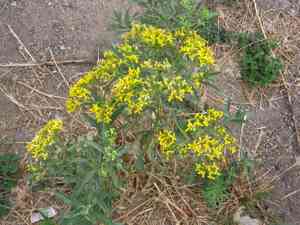
Beyond its practical benefits, Willow groundsel is also valued for its ornamental qualities. The plant features striking, bright yellow flowers that can enhance any garden's aesthetic. Its attractive foliage and flower clusters make it a beautiful addition to borders, rock gardens, or as a standalone focal point.
Cultural Significance
Willow groundsel has a long history of traditional use across various cultures. It has been utilized in landscaping, cultural practices, and even ceremonies. Incorporating Willow groundsel into your garden not only adds beauty but also connects you to a historical legacy of plant use and appreciation.
How Can Willow Groundsel Improve Soil Health?
Erosion Control
Willow groundsel plays a significant role in preventing soil erosion, thanks to its deep and extensive root system. These roots help anchor the soil, reducing erosion caused by wind and water. For gardeners dealing with slopes or areas prone to erosion, Willow groundsel offers a natural and effective solution.
Soil Enrichment
Additionally, Willow groundsel contributes to soil health through organic matter. As the plant grows and sheds leaves, it enriches the soil with organic material, which improves soil structure, fertility, and microbial activity. This creates a more welcoming environment for other plants, fostering a healthier and more productive garden ecosystem.



