How to Transplant Wild Indigo?
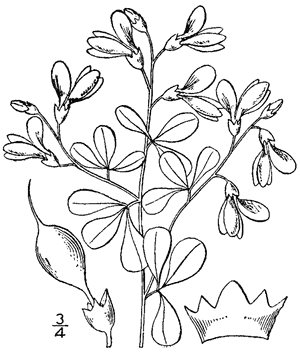
The optimal period for relocating wild Indigo is from early to mid-spring, allowing it to fully capitalize on cooler weather and damp ground. Select a well-drained, sun-exposed spot. Handle the root system carefully to foster vigorous development.
What Preparations are Needed Before Transplanting Wild Indigo?
What is the Ideal Time for Transplanting Wild Indigo?
The perfect time for moving wild Indigo is at the start of spring, typically early to mid-spring. This timing allows the wild Indigo's root system to settle in cooler temperatures, minimizing transplant shock. Choosing this period enhances wild Indigo's ability to flourish, ensuring strong growth before summer's heat. By selecting this optimal transplanting window, you set the stage for wild Indigo's success, ultimately creating a lush, vibrant garden focal point.
How Much Space Should You Leave Between Wild Indigo Plants?
When preparing to move your wild Indigo, remember to provide ample room! Aim for a separation of approximately 2-3 feet, or 60-90 cm, between each plant. This will give them sufficient space to grow and thrive.
What is the Best Soil Mix for Wild Indigo Transplanting?
The soil serves as your wild Indigo plant's new home, so make it welcoming! They require well-draining soil, with a loamy type being most suitable. Regarding fertilizer, a slow-release organic option applied at the base is perfect for a healthy, happy wild Indigo.
Where Should You Relocate Your Wild Indigo?
Sunlight is crucial for your wild Indigo. Select a spot where they will receive full sun throughout the day to promote vigorous growth. A sunny garden area or bright yard location would be ideal!
What Equipments Should You Prepare Before Transplantation Wild Indigo?
Gardening Trowel
This tool simplifies and refines the process of extracting wild Indigo from its original spot and digging a new hole for it.
Gardening Gloves
To safeguard your hands from soil and any sharp roots while handling the earth and plant.
Loosening Tool or Fork
Used to gently break up the plant's root ball prior to transplantation.
Garden Hose with a Soft Sprayer
For gently irrigating the plant during and after the transplanting process.
Wheelbarrow or Bucket
To move the wild Indigo from its initial location to the new planting site, especially if the distance is significant.
Compost
To enrich the soil at the planting location and supply the plant with essential nutrients.
Mulch
For covering the ground around the wild Indigo after it's been transplanted, helping to retain moisture and suppress weeds.
How Do You Remove Wild Indigo from the Soil?
How Do You Remove Wild Indigo from the Soil?
From Ground: Most often, wild Indigo is moved from one ground spot to another. Begin by thoroughly watering the wild Indigo plant a day before the actual transplant. This helps the plant come out of the ground more easily. Use a gardening trowel or shovel to dig a wide circle around the root system, not too close to avoid cutting major roots. Gently lift the plant out.From Pot: If the wild Indigo plant is in a container, tilt it on its side, gently pull the base of the plant, and guide it out. If it's difficult to remove, you can tap the pot's sides to loosen it.From Seedling Tray: Carefully push the wild Indigo seedlings out from the bottom with a soft, blunt tool, trying to keep as much soil around their roots as possible to minimize disturbance.
Step-by-Step Guide for Transplanting Wild Indigo
Root inspections
Examine the roots before planting your wild Indigo. If they are tightly coiled or growing in one direction, gently untangle them. This encourages roots to spread into the soil.
Hole preparation
Dig a hole that is two to three times wider than the root ball and of equal depth. Add compost to the hole to enhance soil nutrients.
Planting
Place the wild Indigo in the hole, ensuring it is not planted deeper than it was in its original spot. The plant's crown should be level with or slightly above the ground.
Backfilling
Refill the hole, gently firming the soil around the base of the wild Indigo, but be careful not to compact it too much.
Watering
Water the wild Indigo immediately after planting. This helps settle the soil and hydrate the plant.
Mulching
Finally, apply a layer of mulch around the plant's base. This will help regulate soil temperature and retain moisture.
How Do You Care For Wild Indigo After Transplanting?
Watering
Continue to water the wild Indigo deeply once per week for the first month post-transplant, reducing to every two weeks as the plant establishes itself.
Weeding
Remove any emerging weeds to prevent them from competing with your wild Indigo for resources.
Monitor Health
Keep an eye out for any indications of disease or pest infestation. If you notice anything concerning, consult a local garden center or extension service.
Pruning
Pruning your wild Indigo might be necessary after transplantation to prevent shock and remove any dead or damaged parts.
Patience
Remember that perennials like wild Indigo can take a year or two to truly settle. So, don't worry if growth seems slow initially!
Troubleshooting Common Issues with Wild Indigo Transplantation.
When is the best time to transplant wild Indigo?
The optimal period for relocating wild Indigo is during the first or second season of the year (S1-S2). This timing provides the plant ample opportunity to establish its roots before the intense heat of summer.
What is the ultimate distance that should be kept between individual wild Indigo plants?
Wild Indigo requires space to expand, so aim for approximately 2-3 feet (60-90 cm) of distance between plants. This helps prevent overcrowding and promotes healthier development.
What type of soil does wild Indigo prefer when being transplanted?
Wild Indigo thrives in well-draining soil with a generous amount of compost. The soil should not retain water after rain or irrigation, and it should be rich in nutrients.
Is there a specific depth I need to follow when transplanting wild Indigo?
Yes, when moving wild Indigo, ensure you plant them at the same depth they were previously growing. An abrupt change in depth can stress the plant.
How to ensure wild Indigo adapts well after being transplanted?
Water wild Indigo thoroughly after transplanting, and keep the soil somewhat moist for the initial few weeks. This will help the plant adjust to its new environment.
What measures can I take if the transplanted wild Indigo looks distressed?
If wild Indigo appears distressed after transplanting, ensure it receives sufficient water, is in a location with good sunlight, and the soil drains well. If the issue persists, consider consulting a local nursery.
Can I transplant wild Indigo anytime during the S1-S2 seasons?
Transplanting wild Indigo can be done at any point in the S1-S2 seasons; however, the best time is when the plant is dormant, typically in early spring or late fall.
Is fertilizer necessary when transplanting wild Indigo?
Compost or organic matter is recommended during transplanting for beneficial nutrients. However, synthetic fertilizers can hinder the plant's ability to establish its roots, so use sparingly if at all.
How frequently should I irrigate wild Indigo post-transplanting?
Water wild Indigo thoroughly after transplant. Afterward, ensure the soil remains somewhat damp, but not excessively wet, for the first few weeks. Over time, wild Indigo will require less water.
Why does my transplanted wild Indigo have yellow leaves?
Yellow leaves on wild Indigo may indicate overwatering or inadequate drainage. Ensure the plant is in well-draining soil and avoid excessive watering. If the problem continues, seek advice from a plant specialist.



