How to Prune Wild Indigo?
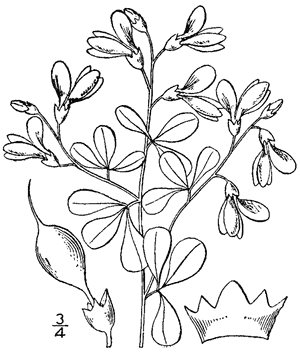
A robust, non-woody perennial recognized for its legume-like blossoms and bluish-green leaves, wild Indigo flourishes with little upkeep. Lightly trim juvenile plants in springtime to foster a denser form. Remove faded blooms in the summer to encourage further flowering. Reduce the plant to ground level in autumn following a frost to ensure neatness and inhibit self-propagation. Trimming not only invigorates development but also aids in controlling wild Indigo's structure and enhances its general well-being and aesthetic.
What Are the Benefits of Pruning Wild Indigo?
What Are the Benefits of Pruning Wild Indigo?
Trimming wild Indigo promotes its vivid blooms, keeps a compact, defined form, and stimulates vigorous development, leading to a healthier, more attractive plant.
What Is the Best Time for Pruning Wild Indigo?
What Is the Best Time for Pruning Wild Indigo?
Trimming wild Indigo in late spring coincides with the end of its flowering period, enabling gardeners to shape the plant without sacrificing blossoms. Post-bloom pruning encourages denser growth and removes spent flowers, potentially leading to improved flowering the next year. Early summer trimming can also help maintain its form and size, enhancing air circulation within the plant's structure to prevent illness. Autumn pruning is generally avoided to lessen the chance of frost damage on fresh cuts and to prevent stimulating new growth that won't harden before winter.
What Tools Do I Need to Prune Wild Indigo?
Hand Pruners
Ideal for cutting the relatively thin stems of wild Indigo during routine upkeep or when deadheading. Hand pruners provide a clean cut that helps prevent disease and encourages healthy regrowth.
Lopping Shears
Effective for trimming thicker stems or branches of wild Indigo as they offer more leverage and can make cleaner cuts on stems too large for hand pruners.
Pruning Saw
Useful if wild Indigo has developed very thick, woody stems that are too large for hand pruners or loppers. A pruning saw helps make quick work of large stems, ensuring minimal damage to the plant.
Garden Gloves
Though not a cutting tool, wearing gloves is crucial to protect hands from scratches and potential skin irritants while pruning wild Indigo.
How to Prune Wild Indigo
Preparation
Wear appropriate gardening gloves and sanitize pruning shears or scissors to prevent the spread of disease during trimming. Assess wild Indigo for any signs of the specified trim parts.
Diseased Leaves
Carefully remove any diseased leaves by cutting them at the base where the leaf stem meets the main stem. Take care not to damage nearby healthy tissue.
Withered Leaves
Identify and trim away withered leaves, following the same procedure as for diseased leaves. Withered leaves can be recognized by their dry and crumbly appearance.
Withered Flowers
Deadhead the withered flowers of wild Indigo to encourage new growth and to maintain a tidy appearance. Snip the stem beneath the spent flower, just above a new lateral bud or leaf node.
Cleanup
Dispose of all removed material by composting healthy plant matter but discard diseased clippings to prevent contamination. Clean and dry the pruning tools to conclude the session.
Common Pruning Mistakes with Wild Indigo
Overpruning
Cutting back wild Indigo too aggressively can lead to reduced flowering and vitality because it is a plant that responds best to minimal pruning.
Improper cut location
Making cuts too far from buds or nodes can result in unsightly stems and potential disease entry points.
Unnecessary shaping
Attempting to overly shape wild Indigo can interfere with its natural growth habit and reduce its ornamental value.
Neglecting to disinfect tools
Failing to clean pruning tools between uses can spread disease to wild Indigo.
Pruning into old wood
Cutting into the old, woody stems of wild Indigo, which do not regenerate easily, can cause irreversible damage to the plant's structure.
Common Pruning Tips for Wild Indigo
Minimalistic approach
Adopt a light-handed approach to pruning wild Indigo, focusing on the removal of dead, damaged, or diseased wood only, to maintain the plant's form and encourage healthy growth.
Appropriate cut location
Make clean cuts close to a leaf node or bud to promote faster healing and reduce the risk of disease.
Natural shape retention
Respect wild Indigo's natural shape and growth habit by avoiding excessive shaping, allowing for a more visually pleasing and healthy plant.
Tool cleanliness
Ensure pruning tools are clean and sharp to make precise cuts and prevent disease transmission.
Selective thinning
Conduct selective thinning of crowded stems to increase air circulation and light penetration, which encourages strong flowering and reduces the risk of disease.



