The Wild Indigo Plant Advantage: Maximizing Home and Office Appeal and Wellness
1
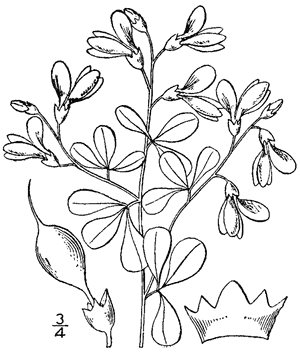
Wild Indigo is recognized for its vibrant yellow blooms that beautify garden landscapes.
2
This robust, drought-tolerant plant flourishes even in infertile soil.
3
Its roots and foliage have historically served diverse advantageous functions.
What Makes Wild Indigo Unique?
Aesthetic Appeal
Wild Indigo offers striking visual appeal with its vibrant yellow blooms appearing from late spring through early summer. These blossoms attract beneficial pollinators like bees and butterflies, enhancing your garden's beauty and vitality. The plant's dense form and rich foliage provide a complementary backdrop, accentuating other plants in your landscape.
Adaptability and Resilience
Wild Indigo demonstrates remarkable hardiness, flourishing in subpar soil conditions where many other plants struggle. This makes it an excellent option for gardeners facing difficult growing environments. The plant is also drought-tolerant, needing minimal irrigation once established. Its extensive root system aids in preventing soil erosion, making it an environmentally sound choice for your garden.
How to Grow Wild Indigo in Your Garden
Planting Tips
When cultivating Wild Indigo, select a site that receives ample sunlight, as the plant thrives in full sun exposure. Sow seeds or young plants in well-draining soil, spacing them approximately two to three feet apart to allow for proper development. Water the plants consistently until they are rooted, after which they will require minimal upkeep.
Care and Maintenance
Once established, Wild Indigo demands very little attention. It exhibits resistance to most common pests and diseases, reducing the necessity for chemical treatments. Pruning after the blooming period helps maintain the plant's form and encourages new growth. Applying a layer of mulch around the base assists in retaining moisture and suppressing weeds.
What Are the Traditional Uses of Wild Indigo?
Historical Significance
Historically, various components of Wild Indigo have been utilized for their advantageous properties. It was frequently incorporated into herbal remedies and traditional practices, believed to offer diverse benefits.
Modern Applications
While its historical applications are well-documented, today, Wild Indigo is often valued for its robustness and beauty in garden settings. It remains a popular selection for those aiming to incorporate a natural element into their landscape.
Environmental Benefits of Wild Indigo
Supporting Pollinators
Wild Indigo plays a vital role in sustaining local ecosystems by attracting pollinators. Bees and butterflies are drawn to its flowers, which assists in pollinating other plants within your garden. This contributes to a healthier and more diverse ecosystem.
Soil Improvement
The deep root structure of Wild Indigo helps to stabilize soil and prevent erosion. Furthermore, the plant's capacity to thrive in poor soil conditions can contribute to enhancing soil quality over time. By planting Wild Indigo, you are not only beautifying your garden but also fostering soil health.
Why Choose Wild Indigo for Your Garden?
Low Maintenance
A key characteristic of Wild Indigo is its minimal maintenance requirements. Once established, it needs little watering and is resistant to pests and diseases. This makes it an ideal option for gardeners seeking attractive yet easy-to-care-for plants.
Versatility
Wild Indigo is highly adaptable and can be incorporated into various garden designs, from borders and rock gardens to wildflower meadows. Its striking appearance and hardiness make it a plant that seamlessly fits into different garden schemes, providing both visual appeal and practical advantages.



