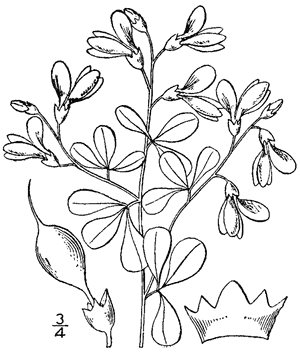
Wild Indigo (Baptisia tinctoria)
Also known as: Rattleweed, Wild Black Indigo, Yellow False Indigo
Wild Indigo (Baptisia tinctoria) is a perennial herb indigenous to eastern North America. Historically, it was commonly used to produce dye. This plant thrives in full sunlight and is an excellent addition to cottage gardens for its aesthetic appeal.
In This Article
Attributes of Wild Indigo
Lifespan
Perennial
Plant Type
Herb
Plant Height
61 cm to 91 cm
Spread
60 cm to 90 cm
Leaf Color
Green Gray Silver
Flower Size
2.5 cm
Flower Color
Yellow Cream Purple Gold
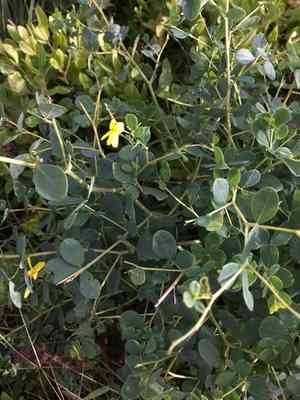
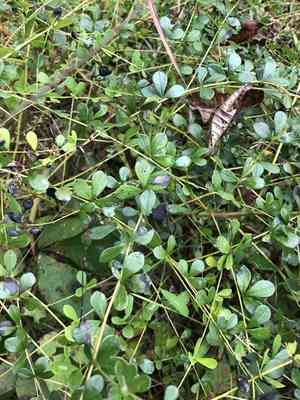
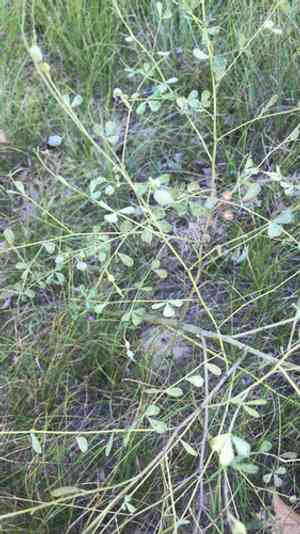
Images of Wild Indigo
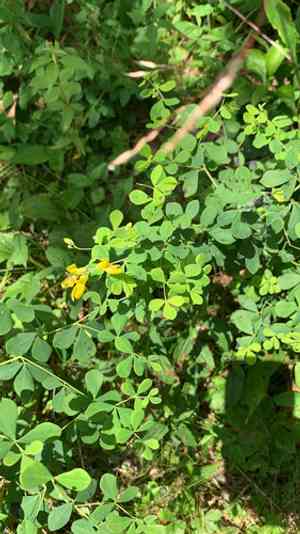
Quickly Identify Wild Indigo
1
Trifoliate leaves like clovers, gray-green, up to 1 inch long, distinctive texture for identification.
2
Bright yellow pea-like flowers in erect racemes, up to 0.5 inches long, flowering from April to August.
3
Distinctive inflated bean pods, transitioning to ripe black, rattling when shaken, ornamental and visually striking.
4
Slender, smooth, green stem reaching 3 feet, slightly woody at base, herbaceous towards top, ridged texture.
Scientific Classification of Wild Indigo
Phylum
Vascular plants
Class
Dicotyledons
Order
Fabales
Family
Legume
Genus
False Indigo
Species
Wild Indigo
Planting and Growing of Wild Indigo
Care Difficulty
Easy
Watering Schedule
Every 2 days
Sunlight Requirements
Full sun
Sunshine Duration
6-10 hours
Ideal Temperature
60-75℉
Soil Type
Potting Mix, Peat Mix
Soil pH
6.5-7.5
Fertilizer Type
Balanced
Pruning Season
Spring, Summer
Pruning Area
Branches, Leaves
Pruning Frequency
2 times a year
Repotting Season
Spring
Pot Type
Plastic, Ceramic
 How to Water Wild Indigo?
When watering Baptisia tinctoria, ensure the soil is evenly moist without being waterlogged. The plant prefers a deep soak that penetrates the top few inches of soil, up to 500 ml per session, depending on humidity and temperature. This aids in developing a robust root system.
What are the symptoms of an underwatered Wild Indigo?
›
What should I do if my Wild Indigo is not getting enough water?
›
What are the symptoms of an overwatered Wild Indigo?
›
How to save an overwatered Wild Indigo?
›
 What Are the Sunlight Requirements for Wild Indigo?
Full sun to partial sun is ideal, ensuring striking and vibrant blooms and lush foliage. Quality sunlight reduces pest susceptibility and enhances overall vitality.
More About Sunlight Requirements Techniques→
What is the ideal light condition for Baptisia tinctoria?
›
How can I achieve the ideal lighting for my Baptisia tinctoria?
›
What are the benefits of ideal lighting for Baptisia tinctoria?
›
 What Is the Ideal Temperature Range for Wild Indigo?
Baptisia tinctoria thrives best in temperatures between 60 to 75 degrees Fahrenheit. This range allows optimal growth, ensuring the plant can absorb nutrients effectively and produce vibrant blooms.
 What Soil is Best for Wild Indigo?
Baptisia tinctoria thrives in well-drained soil, preventing root rot and ensuring oxygen reaches the roots. This condition helps promote healthy growth and vibrant flowering. This plant doesn’t demand highly fertile soil, but a moderate nutrient level is beneficial. It helps maintain balanced growth without excessive foliage at the expense of flowers. A soil pH between 6.5 and 7.5 is ideal for Baptisia tinctoria, facilitating optimal nutrient absorption and promoting healthy metabolic processes in the plant.
 How to Fertilize Wild Indigo?
For Baptisia tinctoria, the general recommendation for fertilizer amounts is modest. Use a balanced 10-10-10 liquid fertilizer at a diluted strength, approximately one-half of the recommended dose on the packaging. This ensures that the plant receives the right nutrients without overloading it, promoting healthy growth while minimizing the risk of nutrient burn.
 How to Prune Wild Indigo?
Start by identifying dead or damaged stems as these should be your priority for removal. Cut these back to the base to encourage new growth. Also, check for any stems that are crossing or rubbing against each other and prune them to prevent damage. The optimal time to prune Baptisia tinctoria is right after its flowering season in spring or early summer. This allows you to remove spent flower stalks and redirects energy towards strengthening the roots and foliage.
More About Pruning Techniques→
 How to Propagate Wild Indigo plant?
1
Begin by soaking Baptisia tinctoria seeds in warm water for 24 hours to enhance germination rates. This process helps to soften the tough outer coat of the seeds, making it easier for the seedlings to emerge.
2
Select healthy, non-flowering shoots of Baptisia tinctoria during early spring. Using sharp pruning shears, cut sections of about 4 inches long just below a node, ensuring that each cutting has several sets of leaves.
3
In early spring, divide the mature plants of Baptisia tinctoria. Carefully dig up the entire plant, and gently separate the roots into smaller sections, making sure each section has adequate roots and shoots for a successful new plant.
 How to Repot Wild Indigo plant?
1
Baptisia tinctoria shows it's time to repot when you notice roots poking out of the drainage holes or soil drying out rapidly even after thorough watering. Early spring or fall are ideal as the plant is naturally less active, minimizing stress during repotting.
2
Select a pot that is 1-2 inches larger in diameter than the current one. Ensure it has adequate drainage holes to prevent waterlogging, which can cause root rot. A slightly larger pot encourages steady growth while providing enough space for root expansion without excessive soil that retains moisture.
3
Opt for a well-draining sandy soil mixture to mimic its natural habitat. A blend of potting mix with sand or perlite works well. This soil structure ensures excess water drains away, preventing root rot and providing a stable growth environment that supports the plant's health.
Toxicity
Ingestion
WARNING
The judgment on toxicity and danger is for reference only. We DO NOT GUARANTEE any accuracy of such judgment. Therefore, you SHALL NOT rely on such judgment. It is IMPORTANT TO SEEK PROFESSIONAL ADVICE in advance when necessary.
Learn More About Wild Indigo Diseases
Anthracnose
Bacterial Leaf Spot
Bacterial Wilt
Crown Gall
Cyst Nematode
Damping-off
Downy Mildew
Drought Stress
Fusarium Wilt
Gray Mold
Leaf Spot
Mosaic
Nutrient Deficiency
Nutrient Toxicity
Powdery Mildew
Root Rot
Root-knot Nematode
Rusts
Sooty Mold
Spider Mites
Temperature Stress
Thrips Damage
White Mold
Chemical Injury



