How to Propagate Wild Indigo?
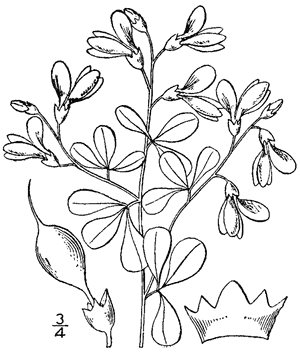
Wild Indigo flourishes when reproduced by seeding. To achieve robust development, embed the seeds directly into permeable soil in an area that receives abundant solar exposure. Verify that the soil stays damp yet not oversaturated. This variety benefits from an initial application of a slow-acting nutrient blend to stimulate strong development. Gentle management of young plants is vital as they mature to avoid harming their root systems, which are delicate in their nascent phases.
When Is the Optimal Time to Propagate Wild Indigo?
Propagation Method
Seeding
Propagation Period
Spring
What Equipment Is Used for Wild Indigo Propagation?
Seed trays
Seed trays offer an organized and effective way to sow wild Indigo seeds. Their individual compartments minimize root disruption during transplanting. Additionally, these trays help maintain consistent moisture and temperature, vital for wild Indigo germination.
Sterilized potting mix
Using a sterile potting mix is crucial to prevent soil-borne diseases that could harm the delicate germination process of wild Indigo. This medium provides a clean, nutrient-rich environment that supports the initial growth stages of the seeds, promoting root development and overall health of the young plants.
Perlite or vermiculite
These materials are often blended into the potting soil to enhance its drainage and aeration, which are essential for the root health of wild Indigo. They ensure the soil remains light and doesn't compact, allowing for better root growth and easier oxygen access.
Watering can with a fine rose
This tool allows for gentle watering of wild Indigo seeds, reducing the risk of seed displacement or excessive water pressure that could expose or damage the small seeds. It provides a controlled water flow that adequately moistens the soil without causing erosion or flooding the delicate seeds.
Labels and markers
Labels and markers are crucial for tracking wild Indigo propagation, especially when managing multiple plant species. They are used to note expected growth stages and specific care needs, ensuring each plant receives appropriate attention and care during its development.
Grow lights (optional)
If propagating wild Indigo indoors or in suboptimal light conditions, grow lights can supply the necessary light spectrum that wild Indigo seeds require for germination and growth. This tool helps mimic natural sunlight, fostering healthier growth and preventing seedlings from becoming leggy or weak.
How to Propagate Wild Indigo?
Propagation Type
Simple
How to Care for Your Newly Propagated Wild Indigo?
How to Care for Your Newly Propagated Wild Indigo?
After transplanting, maintain consistent moisture levels without overwatering wild Indigo, as they prefer well-drained soil. Place the plants in full sun to partial shade. For optimal growth, apply a balanced fertilizer in early spring. Mulching around the plant's base can help retain soil moisture and suppress weeds. As wild Indigo matures, it requires minimal care, but ensure to periodically check for pests or fungal issues. Annual pruning after flowering can help maintain plant shape and vigor.
Common Errors to Avoid When Propagating Wild Indigo
Overwatering
Excessive watering of wild Indigo after planting can lead to root rot, as the plant prefers well-drained soil. Overwatering can suffocate the roots, preventing them from absorbing necessary nutrients and ultimately leading to plant death.
Deep sowing of seeds
Planting wild Indigo seeds too deeply hinders their ability to germinate and emerge correctly. This can significantly delay or entirely prevent sprouting, as the seeds require light exposure to initiate growth.
Ignoring root sensitivity
Handling wild Indigo roots roughly or excessively during transplantation can cause damage. This mistake may stress the plant, resulting in poor growth or even failure to establish and thrive in a new location.
Neglecting seed pre-treatment
Failing to pre-treat wild Indigo seeds through processes like scarification or stratification can result in low germination rates. This species' seeds have hard coats, and breaking their dormancy is crucial for successful germination.
Tips For Propagating Wild Indigo
Correct seed depth
When sowing wild Indigo seeds, ensure they are lightly covered with soil or even surface-sown. This exposure to light aids in better germination and growth success.
Moist, not wet, soil
After sowing seeds or planting young plants, keep the soil moist but not waterlogged. Well-draining soil supports healthier root development, enhancing the plant's growth and resilience.
Gentle handling of roots
During transplantation, handle wild Indigo roots delicately and minimally. Minimizing root disturbance helps in faster recovery and successful establishment of the plant in its new environment.
Seed treatment
Implement strategies like cold stratification or mechanical scarification for wild Indigo seeds before sowing. These treatments help break seed dormancy, increase germination rates, and ensure more uniform sprouting.



