How to Transplant African sandalwood?
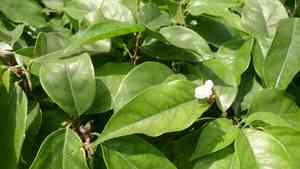
The ideal period for transplanting african sandalwood spans from the end of spring to the middle of summer, leveraging extended daylight hours for root development. Select a location with good drainage and filtered sunlight. A helpful suggestion: Sustaining consistent hydration after the transfer guarantees a smooth adjustment for african sandalwood.
Essential Preparations Before Relocating African Sandalwood
Optimal Period for African Sandalwood Relocation?
The best time to move african sandalwood is from late spring to early summer. This period offers mild, warm weather, allowing roots to establish before intense heat. Moving african sandalwood then minimizes stress, letting it adapt smoothly to its new spot under favorable seasonal conditions.
Recommended Spacing Between African Sandalwood Specimens?
Allocate ample room in your garden for african sandalwood. Aim for a separation of 4-6 feet (1.2-1.8 meters). This ensures adequate light, air circulation, and prevents competition among plants.
Ideal Soil Blend for African Sandalwood Relocation?
African sandalwood thrives in well-drained, loamy soil. Prior to planting, enrich the soil with a base fertilizer. This is crucial for encouraging robust root development. Opt for a fertilizer rich in phosphorus to stimulate growth.
Selecting the New Site for Your African Sandalwood?
Site selection is vital! Choose a location where african sandalwood will receive full sun to partial shade. It requires a minimum of 6 hours of daily sunlight. This supports photosynthesis, promoting vigorous growth and flowering.
Tools Required for African Sandalwood Transplantation
Gardening Gloves
It's essential to safeguard your hands when handling soil and african sandalwood.
Trowel
This small hand tool is used for excavating the appropriate-sized hole for your african sandalwood.
Spade
For carefully extracting african sandalwood from its previous spot without harming the roots.
Watering Can
To adequately hydrate african sandalwood during and after its relocation.
Gardening Pruners
To trim african sandalwood as needed, ensuring optimal post-transplant growth.
Stakes and Ties
To offer necessary support to african sandalwood during its initial post-transplant phase.
Garden Cart or Wheelbarrow
To transport african sandalwood from its original position to the new site.
Method for Extracting African Sandalwood from the Ground
Method for Extracting African Sandalwood from the Ground?
From Ground: Before unearthing african sandalwood, water the plant to moisten the soil, facilitating easier removal. Dig a wide circle around african sandalwood using a spade, ensuring the plant's root ball remains intact. Gradually work the spade beneath the root ball to carefully lift african sandalwood from its initial location.From Pot / Seedling Tray: If african sandalwood is in a pot or seedling tray, water it first to allow the soil to release easily. Tilt the pot sideways while gently pulling at the base of african sandalwood; if in a seedling tray, push it up from the bottom. Ensure you hold the plant by its base, not the stem or leaves, to prevent damage.
Step-by-Step Guide for Relocating African Sandalwood
Preparation
Clear the designated new area in the garden or plot where you intend to relocate african sandalwood. Dig a hole that is twice as wide and as deep as the african sandalwood's root ball.
Transplanting
Position african sandalwood in the excavated hole. The top of the root ball should be level with the ground. Backfill the hole halfway with soil, gently firm it around the root ball, then complete filling it.
Watering
Water african sandalwood immediately after relocation, ensuring the soil is moist but not waterlogged.
Support
If african sandalwood is a tall specimen, it may require support from stakes and ties. Attach one end of the tie to the stake and the other loosely around the plant's stem. Avoid tying it too tightly, as this will restrict growth.
Post-Transplant Care for African Sandalwood
Pruning
If you observe any damaged or diseased leaves, branches, or shoots on african sandalwood, remove them with garden pruners. Retaining them could stress the plant and hinder its post-transplant recovery.
Watering
Consistent and ample watering is vital initially until african sandalwood establishes in its new location; however, be careful not to overwater.
Regular inspection
Periodically check african sandalwood for any signs of pest infestation or disease. Early detection of a problem increases your chances of effective treatment.
Mulching
Applying mulch around the base of african sandalwood will help retain moisture and suppress weed growth.
Resolving Common Issues with African Sandalwood Relocation.
When is the optimal time to move african sandalwood?
The best period to relocate african sandalwood is during 'S3-S5', which generally corresponds to late summer to early autumn. Transplanting in this season aids in the development of strong roots.
What is the ideal spacing between african sandalwood plants during relocation?
Proper spacing is crucial for healthy development. The recommended distance between african sandalwood plants is 4-6 feet (122-183 cm). This ensures they have sufficient room to grow.
What type of soil is best for relocating african sandalwood?
African sandalwood prefers well-drained soil. A blend of sand, garden soil, and peat moss typically works well. Test the soil pH; this plant favors slightly acidic to neutral pH.
How to prepare african sandalwood for relocation?
Thoroughly water african sandalwood a day before you plan to move it. This keeps the roots hydrated and minimizes transplant shock.
At what depth should african sandalwood be planted?
When relocating african sandalwood, ensure the hole depth is twice the size of the root ball. Never bury the plant's stem deeper, as this could lead to rot.
How much water does african sandalwood need after being relocated?
After relocating african sandalwood, water it thoroughly and keep the surrounding soil moist until the plant has established. Be cautious not to overwater!
My relocated african sandalwood is wilting, what should I do?
Wilting is a normal reaction after relocation due to transplant shock. Consistent watering and avoiding direct sunlight for a few days can help the plant recover.
How long should I wait to fertilize my african sandalwood post relocation?
Wait for at least 2-4 weeks post-relocation before beginning the fertilization cycle. Early application can damage the roots and impede growth.
What's the correct way to handle african sandalwood during relocation to minimize damage?
Always handle african sandalwood by the root ball, never by the stem or leaves. This reduces the likelihood of damage or stress to the plant.
Why are the leaves of my relocated african sandalwood turning yellow?
Yellowing leaves might indicate overwatering or insufficient sunlight. Check the moisture levels and ensure your plant receives adequate light.



