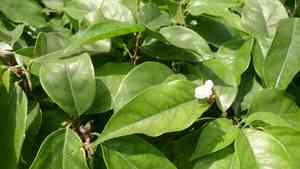
African sandalwood (Baphia nitida)
Also known as: Camwood, African sandalwood
African sandalwood is not true sandalwood, in spite of the name. However, it is similarly admired because it has a pleasant fragrance when cut and can be turned into attractive tool handles and other woodworking products. An impermanent red dye can also be extracted from african sandalwood's heartwood.
In This Article
Attributes of African sandalwood
Lifespan
Perennial
Plant Type
Tree, Shrub
Plant Height
10 m
Spread
10 m
Leaf Color
Dark green
Flower Size
1 to 2 cm (0.4 to 0.8 inches)
Flower Color
White Yellow
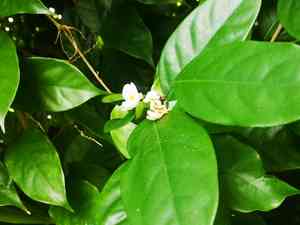
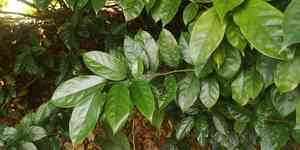
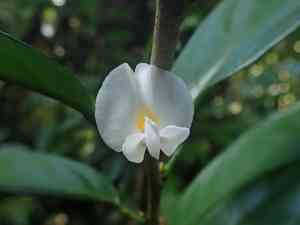
Images of African sandalwood
Quickly Identify African sandalwood
1
Look for a small to medium-sized shrub with glossy, dark green leaves and small, white to cream-colored flowers. The red heartwood is another distinguishing feature.
Scientific Classification of African sandalwood
Phylum
Vascular plants
Class
Dicotyledons
Order
Fabales
Family
Legume
Genus
Baphia
Species
African sandalwood
Planting and Growing of African sandalwood
Care Difficulty
Hard
Watering Schedule
Every 2 days
Sunlight Requirements
Partial sun
Sunshine Duration
4-8 hours
Ideal Temperature
65-77℉
Soil Type
Potting Mix, Peat Mix
Soil pH
5.5-6.5
Fertilizer Type
Balanced
Pruning Season
Spring, Summer
Pruning Area
Branches, Leaves
Pruning Frequency
2 times a year
Repotting Season
Spring
Pot Type
Plastic, Ceramic
 How to Water African sandalwood?
Baphia nitida typically requires a watering amount of around 500 milliliters per session. It's crucial to ensure that the soil is moist but not waterlogged. The general practice is to water until the top inch of soil is saturated, but not excessively drenched.
What are the symptoms of an underwatered African sandalwood?
›
What should I do if my African sandalwood is not getting enough water?
›
What are the symptoms of an overwatered African sandalwood?
›
How to save an overwatered African sandalwood?
›
 What Are the Sunlight Requirements for African sandalwood?
Partial sun with 4 to 6 hours of filtered sunlight allows Baphia nitida to grow robustly and bloom effectively, enhancing both its visual appeal and health.
More About Sunlight Requirements Techniques→
What is the ideal lighting condition for Baphia nitida?
›
How can one achieve the ideal lighting condition for Baphia nitida?
›
What are the benefits of ideal lighting for Baphia nitida?
›
 What Is the Ideal Temperature Range for African sandalwood?
The ideal temperature range for Baphia nitida is between 65°F and 77°F. This warm temperature range supports robust growth and flowering. It mimics the plant's native tropical environment, providing it with the warmth needed to thrive. Consistent temperatures are crucial to prevent temperature shock and ensure healthy plant development.
 What Soil is Best for African sandalwood?
Baphia nitida thrives in soil that allows water to drain quickly without becoming waterlogged. This characteristic prevents root rot and fosters robust growth, essential for maintaining the plant's health and vibrancy. The plant prefers soil rich in organic matter but not excessively fertile. A balance of nutrients ensures steady growth without promoting overly rapid, weak development. Compost can provide these nutrients naturally. Baphia nitida requires soil that remains consistently moist but never soggy. This helps maintain optimal hydration, preventing drought stress while avoiding problems associated with excessive moisture.
 How to Fertilize African sandalwood?
For Baphia nitida, apply a balanced fertilizer at a rate of about 10 grams per square meter for granular types. For liquid fertilizers, dilute as per the instructions for house plants, usually around 5 ml per liter of water. Adjust according to plant size and health.
 How to Prune African sandalwood?
Select sharp and clean pruning shears to make precise cuts without damaging the plant. Ensuring your tools are sanitized can prevent the spread of diseases. Look for dead or diseased branches as primary targets for removal. This encourages healthier growth and allows sunlight to penetrate more deeply into the bush. Cut branches at a slight angle, just above a leaf node or bud. This approach helps with proper healing and reduces the risk of water accumulation on the cut surface.
More About Pruning Techniques→
 How to Propagate African sandalwood plant?
1
Start by soaking the seeds in water for 24 hours to soften the coat. This process aids in quicker germination by allowing water to penetrate the seed easier.
2
Fill seed trays with a light potting mix and plant the seeds at a depth twice the size of the seed. Maintain a warm temperature and keep the soil consistently moist.
3
Select healthy stems from the plant and make a clean cut below the node. Remove the leaves from the bottom half of the cutting and dip it in rooting hormone before planting.
 How to Repot African sandalwood plant?
1
Baphia nitida should be repotted when you notice that its growth has slowed down, roots are coming out from the pot's drainage holes, or the soil is drying out faster than usual. These signals generally indicate that the plant has outgrown its current pot, and it’s time for a more spacious home.
2
Select a pot that is about 2 inches larger in diameter than the current one. This gives the roots room to spread, promoting healthier growth. Ensure the pot has adequate drainage holes to prevent waterlogging, which can lead to rot and other root issues.
3
Pick a rich, well-draining mix to ensure good aeration and moisture retention. This will help in sustaining the plant's nutritional needs while preventing root rot. Adding some organic compost can also provide an extra nutrient boost.
Learn More About African sandalwood Diseases
Anthracnose
Bacterial Leaf Spot
Bacterial Wilt
Crown Gall
Cyst Nematode
Damping-off
Downy Mildew
Drought Stress
Fusarium Wilt
Gray Mold
Leaf Spot
Mosaic
Nutrient Deficiency
Nutrient Toxicity
Powdery Mildew
Root Rot
Root-knot Nematode
Rusts
Sooty Mold
Spider Mites
Temperature Stress
Thrips Damage
White Mold



