How to Prune African sandalwood?
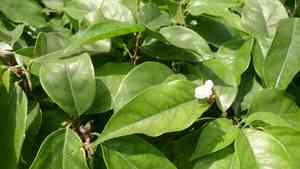
Hailing from West Africa, african sandalwood is celebrated for its reddish timber and aromatic blossoms. Crucial trimming involves eliminating deceased or intersecting limbs to preserve vitality and form. Perform pruning during its inactive period, usually in winter, to lessen strain and enhance development. Deliberate cuts also stimulate the creation of its prized heartwood. Pruning ought to be kept to a minimum to prevent undue depletion of the fragrant substances for which african sandalwood is esteemed.
What Are the Benefits of Pruning African Sandalwood?
What Are the Benefits of Pruning African Sandalwood?
Trimming african sandalwood encourages robust development and maintains its desired shape. Regular cutting back eliminates old growth, fostering new, strong branches, and aids in shaping the plant's form for aesthetic appeal and garden space management.
What Is the Best Time for Pruning African Sandalwood?
What Is the Best Time for Pruning African Sandalwood?
The ideal period for pruning african sandalwood coincides with its dormant stage, typically in winter. During this time, the plant experiences slower growth, making it less vulnerable to stress and diseases that can arise from pruning. Furthermore, without leaves, the structure of african sandalwood is more visible, allowing for more precise cuts. Winter pruning also prepares african sandalwood for vigorous spring growth, as it redirects energy to new shoots and helps maintain the desired form and size. Pruning outside this season can disrupt the flowering or fruiting cycles of african sandalwood, which generally occur in other seasons.
What Tools Do I Need to Prune African Sandalwood?
Bypass Pruners
Excellent for making clean cuts on live wood, bypass pruners inflict less damage to african sandalwood branches and are suitable for trimming smaller stems.
Loppers
With their extended handles and increased leverage, loppers are perfect for cutting through thicker branches common to african sandalwood's growth habit, without straining the user's hands.
Pruning Saw
For branches too thick for loppers, a pruning saw can manage the larger limbs of african sandalwood. Its serrated blade allows for easy cutting through dense wood.
Hand Shears
For shaping and maintaining the dense foliage of african sandalwood, hand shears are excellent for trimming and shaping hedges without causing splintering or tearing.
Pole Pruner
If african sandalwood has grown tall and branching has occurred at a height, a pole pruner becomes useful for reaching and trimming without needing a ladder.
How to Prune African Sandalwood
Sanitize
Clean and sterilize all pruning tools before beginning to prevent the spread of disease to african sandalwood.
Identify
Examine african sandalwood closely to pinpoint dead or diseased branches that need removal for the plant's health.
Cut dead branches
Using sharp pruning shears, make clean cuts to remove dead branches from african sandalwood, cutting at a slight angle just above a healthy bud or branch junction.
Remove diseased branches
Prune away diseased branches from african sandalwood, cutting well below the affected area to ensure complete removal of all diseased tissue.
Disposal
Properly dispose of the removed dead and diseased branches, away from healthy plants to prevent the spread of any potential pathogens.
Common Pruning Mistakes with African Sandalwood
Over-pruning
Removing too much foliage at once can stress african sandalwood, potentially leading to reduced flowering and a weakened plant.
Improper cut locations
Cutting african sandalwood too close to a bud or not making angle cuts can invite disease and damage buds that are essential for new growth.
Use of dull tools
Pruning african sandalwood with dull or dirty tools can cause jagged cuts and introduce pathogens that harm plant health.
Neglecting diseased limbs
Failure to remove or properly dispose of diseased limbs can lead to further infection and spread of disease in african sandalwood.
Pruning during active growth
While the best season is excluded, pruning during periods of active growth can interrupt the growth process and reduce the plant's vigor.
Common Pruning Tips for African Sandalwood
Cleanliness
Disinfect pruning tools before and after use on african sandalwood to prevent the spread of disease.
Selective thinning
Thin out crowded branches to improve air circulation and light penetration, which promotes healthier growth and reduces disease risk for african sandalwood.
Cutting technique
Make clean, diagonal cuts above nodes or buds to encourage proper new growth and prevent water accumulation that can rot in african sandalwood.
Moderation
Prune no more than one-third of african sandalwood's foliage at a time to maintain plant health and ensure recovery.
Post-pruning care
Water and mulch african sandalwood after pruning to support recovery, but avoid fertilizing immediately as this can promote tender growth vulnerable to damage.



