How to Propagate African sandalwood?
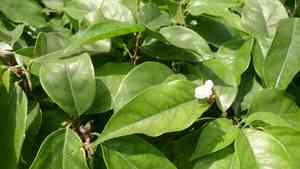
African sandalwood flourishes when reproduced via cuttings. Cultivators ought to choose robust, uninfected stems to enhance the likelihood of success. Cuttings ought to measure approximately 6 inches in length and possess multiple leaf nodes. The severed tip can be dipped in rooting compound prior to being inserted into a porous soil blend. Providing sufficient hydration and warmth will aid in stimulating root formation, which is crucial for the vigorous development of young plants.
What Is the Best Time To Propagate African Sandalwood?
Propagation Type
Cutting
Propagation Season
Autumn,Winter
What Tools Are Used in African Sandalwood Propagation?
Sharp Pruning Shears
These are vital for making clean cuts of african sandalwood stems, minimizing harm to both the parent plant and the cutting. Clean cuts prevent infection and encourage faster healing and root growth in the cuttings.
Rooting Hormone Powder
This aids in stimulating root development in african sandalwood cuttings. Applying rooting hormone to the stem's cut base significantly boosts rooting success rates, which is crucial for african sandalwood's specific needs.
Sterile Potting Mix
A sterile, well-draining potting mix offers the perfect environment for african sandalwood cuttings to root. This prevents disease and supports healthy root growth by providing good aeration and moisture retention without waterlogging.
Propagation Tray with Dome
This tool maintains consistent humidity and temperature for african sandalwood cuttings, essential for root development. The dome helps retain moisture and warmth, effectively simulating a mini-greenhouse.
Heating Mat
An optional but beneficial tool for african sandalwood propagation, especially in cooler climates. A heating mat can help maintain optimal soil temperature, promoting faster and more reliable root development.
How to Propagate African Sandalwood?
Propagation Type
Moderately Difficult
How to Care for Your Newly Propagated African Sandalwood?
How to Care for Your Newly Propagated African Sandalwood?
Once african sandalwood cuttings have rooted, gradually introduce them to outdoor conditions if grown indoors. Water regularly, keeping the soil consistently moist but not saturated. Fertilize with a balanced, slow-release fertilizer every 2-3 months for healthy growth. Provide partial shade during the hottest part of the day to protect young plants from excessive sunlight. Regular pest and disease monitoring is crucial for maintaining health.
Common Mistakes to Avoid When Propagating African Sandalwood
Overwatering
Excessive watering can lead to root rot in african sandalwood, as its roots are vulnerable to waterlogging. This condition impairs the plant's nutrient absorption and can ultimately result in its demise.
Using inappropriate soil mix
African sandalwood requires a well-draining soil mix to thrive. Using dense, clay-heavy soil can retain too much moisture and restrict air flow to the roots, severely impacting the plant's growth and health.
Neglecting hygiene during propagation
Failing to use clean and sterilized tools when cutting or handling african sandalwood can introduce pathogens that may lead to infections. This can significantly reduce the chances of successful propagation.
Tips For Propagating African Sandalwood
Use sharp and sterile cutting tools
Ensuring cutting tools are sharp and sterilized helps prevent disease transmission and promotes healthier, quicker healing cuts on african sandalwood, which is vital for successful propagation.
Choose healthy parent plants for cuttings
African sandalwood propagates best from healthy, disease-free parent plants. Using weakened or diseased plants can lead to low success rates and weak new plants.
Maintain moderate humidity
Maintaining a balanced level of humidity around african sandalwood during propagation helps prevent cuttings from drying out. However, too much humidity can encourage fungal growth, so monitoring and adjusting humidity is critical.



