The African sandalwood Plant Advantage: Maximizing Home and Office Appeal and Wellness
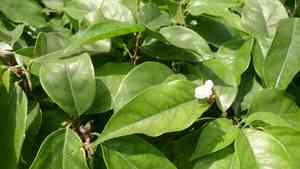
1
African sandalwood possesses antibacterial qualities, rendering it beneficial for common uses.
2
This botanical resource can be employed for creating natural dyes, imparting vivid hues to textiles.
3
African sandalwood additionally provides ecological advantages, aiding in soil stability and preventing erosion.
What Are the Antimicrobial Properties of African Sandalwood?
Inherent Antimicrobial Agent
A key advantage of African sandalwood is its inherent antimicrobial characteristics. This makes it an excellent source for developing natural sanitizers. Extracts from the plant can be utilized to formulate hand cleansers and cleaning agents, offering a more organic alternative to chemical-based products.
Applications in Everyday Personal Care
Beyond cleaning products, African sandalwood can also be incorporated into personal hygiene items like soaps and hair washes. This not only aids in maintaining personal cleanliness but also lowers the risk of exposure to potentially harmful synthetic compounds. Products containing African sandalwood can thus offer dual advantages of hygiene and health safety.
How Does African Sandalwood Contribute to Natural Dye Production?
A Source of Vivid Hues
African sandalwood has been historically employed for coloring textiles, thanks to its capacity to yield bright and enduring shades. The pigments derived from this plant can be used to create a spectrum of colors, ranging from deep reds to rich yellows, making it an invaluable resource for the textile sector.
Environmentally Friendly Dyeing Process
Utilizing African sandalwood for dye creation promotes sustainable practices. Unlike synthetic dyes, which often involve detrimental chemicals and significant environmental impact, natural dyes from African sandalwood are biodegradable and less toxic. This shift towards natural dyes can therefore contribute significantly to reducing the ecological footprint of textile manufacturing.
In What Ways Does African Sandalwood Benefit the Environment?
Soil Stabilization
African sandalwood plays a vital role in soil stabilization. Its root system helps to bind the soil, reducing the risk of erosion. This is particularly advantageous in areas prone to soil degradation, where the introduction of African sandalwood can help maintain soil structure and fertility. This application is gaining traction in sustainable agriculture practices.
Erosion Control
Another environmental advantage of African sandalwood is its effectiveness in managing erosion. By anchoring the soil, this plant helps prevent the loss of topsoil, which is crucial for sustaining agricultural productivity and preventing desertification. Areas planted with African sandalwood have shown significant improvement in soil stability and reduced rates of erosion, highlighting its importance in environmental conservation.
What Are Other Notable Benefits of African Sandalwood?
Cosmetic Applications
African sandalwood has found a place in the beauty industry due to its natural properties that are beneficial for skin and hair care. Extracts from the plant are used in various cosmetic formulations, promoting skin health and enhancing the natural beauty of hair. Its use in cosmetics is a testament to its versatility and beneficial attributes.
Cultural and Traditional Uses
In many cultures, African sandalwood holds significant traditional value. It has been used in various cultural rituals and practices, reflecting its deep-rooted significance in indigenous knowledge systems. Understanding these traditional uses can provide insights into the plant's multifaceted roles and the wisdom behind its long-standing use.



