How to Transplant Hooker's balsamroot?
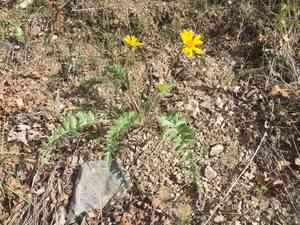
The most favorable period for transplanting hooker's balsamroot is during the season of revitalization, generally spanning from mid-to-late spring. To ensure success, select a location that receives ample sunlight and possesses soil with good drainage. Careful management of the root system is crucial throughout this operation.
What Preparations are Needed Before Transplanting Hooker's Balsamroot?
What is the Ideal Time for Transplanting Hooker's Balsamroot?
Moving hooker's balsamroot from late winter thaw to early bloom improves survival, allowing root development before summer heat. Transplanting in late spring's awakening gives hooker's balsamroot the benefit of cooler, moist soil, promoting a smoother transition and vigorous growth. This timing ensures hooker's balsamroot gets enough sunlight without the harsh mid-summer sun. Handle hooker's balsamroot with care during transplantation to protect delicate roots and encourage seamless adaptation to its new home.
How Much Space Should You Leave Between Hooker's Balsamroot Plants?
Hello, gardening enthusiast! When placing your hooker's balsamroot in their new spot, ensure they have ample room to thrive. Aim for a comfortable spacing of approximately 12-18 inches (30-46 cm) between each plant.
What is the Best Soil Mix for Hooker's Balsamroot Transplanting?
For your hooker's balsamroot, consider a fertile and well-draining medium! A loamy soil, enriched with some compost as a foundational fertilizer, will greatly please its roots.
Where Should You Relocate Your Hooker's Balsamroot?
Your hooker's balsamroot thrives in abundant sunlight! Locate a bright area in your garden that receives at least 6 hours of direct sun daily, and they will flourish with happiness.
What Equipments Should You Prepare Before Transplantation Hooker's Balsamroot?
Gardening Gloves
To shield your hands while handling soil and the plant.
Spade or Shovel
For excavating the plant and preparing a new planting site.
Watering Can or Hose
To hydrate the plant before and after its relocation.
Wheelbarrow or Garden Cart
For moving the plant and soil materials.
Pruning Shears
To trim any impaired roots or foliage.
Garden Fork
To loosen the earth around the root ball during extraction.
Root Pruning Saw (if necessary)
For cutting through larger roots when extracting the plant from the ground.
Plant Supports or Stakes (if necessary)
To offer stability to the plant post-transplantation.
How Do You Remove Hooker's Balsamroot from the Soil?
How Do You Remove Hooker's Balsamroot from the Soil?
From Pot: Gently tap the container's sides to loosen the soil. Invert the pot and carefully guide hooker's balsamroot out by the stem's base or leaves, supporting the root ball with your other hand.From Ground: First, hydrate the hooker's balsamroot plant to moisten the soil. Then, dig a wide circle around the plant with a garden fork, being careful not to harm the root ball. Use the spade to gently lift the plant from the soil.From Seedling Tray: Water the seedlings to ensure the soil is damp. Using a spoon or a small dibber, carefully lift each hooker's balsamroot plant from its compartment, making sure to include the entire root ball.
Step-by-Step Guide for Transplanting Hooker's Balsamroot
Transplant Time
Choose the best season for moving hooker's balsamroot, typically during cooler periods to prevent heat stress on the plant during its adjustment.
Prepare the New Site
Dig a hole in the ground that is wide and deep enough to comfortably fit the root ball of hooker's balsamroot. Ensure the location suits the plant's mature size.
Remove hooker's balsamroot with Care
Depending on its origin, follow the removal steps for ground, pot, or seedling tray without harming the roots or leaves.
Inspect and Prune Roots
Before planting, check the root ball for any damaged or circling roots and trim them carefully with pruning shears or a root pruning saw.
Planting in the Ground
Position hooker's balsamroot in the middle of the new hole at the same depth it was previously growing, gently spreading out the roots. Backfill the hole with soil, lightly tamping to eliminate air pockets.
Water Thoroughly
After transplanting, water hooker's balsamroot generously to settle the soil around the roots and help alleviate transplant shock.
Stabilize with Supports
If the plant is tall or top-heavy, insert plant supports or stakes around it and loosely tie it to provide stability while it establishes its roots.
Mulching
Apply a layer of mulch around the base of hooker's balsamroot to help retain moisture, regulate soil temperature, and prevent weed competition. Avoid piling the mulch against the plant stem.
How Do You Care For Hooker's Balsamroot After Transplanting?
Regular Watering
Ensure hooker's balsamroot receives sufficient water, especially in the initial weeks, to aid root establishment. Allow the soil to dry slightly between watering to prevent waterlogging.
Monitoring for Pests and Diseases
Keep a close watch on hooker's balsamroot for any indications of pests or diseases. Early detection can prevent spread and minimize damage to the plant.
Gentle Fertilization
After about a month, consider a mild application of a balanced, slow-release fertilizer to encourage healthy growth without harming the roots.
Adjusting Plant Supports
Regularly check stakes and ties, adjusting them as needed to ensure hooker's balsamroot is supported but not restricted as it grows.
Troubleshooting Common Issues with Hooker's Balsamroot Transplantation.
When is the best time to transplant hooker's balsamroot?
Transplant hooker's balsamroot during peak spring, typically from mid-April to late-May for optimal establishment.
What is the ideal spacing for hooker's balsamroot when planting?
Space hooker's balsamroot approximately 12-18 inches (30-45 cm) apart to allow ample growth and air circulation.
Why is my hooker's balsamroot wilting after transplanting?
Wilting may be due to shock. Ensure adequate watering, initially avoid full sun, and shield hooker's balsamroot from strong winds.
Should I fertilize hooker's balsamroot after transplanting?
Wait a few weeks before applying a balanced fertilizer to allow hooker's balsamroot time to establish its roots first.
How deep should I plant hooker's balsamroot?
Plant hooker's balsamroot so its root crown is level with the soil surface, ensuring roots spread evenly.
Can I transplant hooker's balsamroot during summer?
It's best to avoid summer; mid-to-late spring offers hooker's balsamroot the ideal start without summer stress.
What should I do if the leaves of hooker's balsamroot turn yellow?
Yellow leaves can signal overwatering or poor drainage. Ensure hooker's balsamroot is planted in well-draining soil and receives moderate moisture.
How often should I water hooker's balsamroot after transplanting?
Water hooker's balsamroot regularly to keep the soil moist but not waterlogged. Once established, reduce frequency as hooker's balsamroot is drought-tolerant.
How much sun does hooker's balsamroot need after transplanting?
Provide hooker's balsamroot with full sun to partial shade after transplanting, gradually acclimating it to more sun if necessary.
Is mulching beneficial for hooker's balsamroot post-transplant?
Yes, a layer of organic mulch can help retain moisture, regulate soil temperature, and reduce weed competition for hooker's balsamroot.



