How to Propagate Hooker's balsamroot?
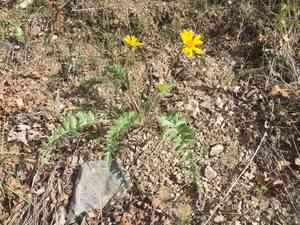
Hooker's balsamroot flourishes most effectively when grown from seeds. To achieve peak germination, scatter seeds uniformly in soil that drains well, ensuring they receive ample sunlight. This method promotes strong root growth, which is vital for the plant's successful establishment and overall health. During the planting process, careful handling and avoiding excessive soil disruption are essential for successful propagation.
Optimal Time for Hooker's Balsamroot Propagation
Propagation Method
Seeding
Propagation Period
Spring
Tools for Hooker's Balsamroot Propagation
Seed trays
Seed trays are vital for initiating hooker's balsamroot from seeds, offering a controlled setting that promotes consistent growth and simple transplanting. Their shallow design aids in managing soil moisture effectively, crucial for seed germination without waterlogging, which can cause fungal issues.
Potting mix
A well-draining, nutrient-rich potting mix supports the initial growth needs of hooker's balsamroot. It ensures seeds have ample nutrients for development while also providing good drainage, essential to prevent root rot and other moisture-related problems.
Misting bottle
A misting bottle is useful for gently watering hooker's balsamroot seeds without disturbing them. A fine mist provides the necessary moisture for seed germination and helps maintain humidity around the seeds, improving germination rates.
Labels and markers
Using labels and markers is important for recording the sowing date and identifying hooker's balsamroot seedlings. This helps in monitoring growth progression and performing scheduled care practices.
Heat mat
A heat mat can be used to maintain an optimal soil temperature, encouraging faster germination of hooker's balsamroot. Consistent warmth from a heat mat is especially beneficial during cooler temperatures, ensuring an ideal germination environment.
Propagating Hooker's Balsamroot
Propagation Type
Simple
Caring for Newly Propagated Hooker's Balsamroot
Caring for Newly Propagated Hooker's Balsamroot
Post-propagation, continue to provide hooker's balsamroot with full sun exposure and minimal to moderate watering, as hooker's balsamroot is drought tolerant. Ensuring good soil drainage is crucial to prevent root rot. Minimal fertilization is needed; feeding once a year with a balanced fertilizer is sufficient. Hooker's balsamroot is low maintenance and typically requires no additional care beyond periodic pest and disease monitoring.
Common Errors to Avoid When Propagating Hooker's Balsamroot
Overwatering
Excessive watering of hooker's balsamroot can lead to root rot or fungal diseases. This plant prefers well-drained soil and is adapted to relatively dry conditions. Overwatering compromises its root health, affecting overall growth and survival.
Deep planting
Planting hooker's balsamroot's seeds too deeply can hinder germination, as these seeds require light to germinate effectively. Deeply buried seeds might not receive sufficient light, leading to failed germination or weak seedlings.
Neglecting seed stratification
Skipping the stratification process for hooker's balsamroot's seeds can result in poor germination rates. Hooker's balsamroot seeds generally need a period of cold stratification to break dormancy, simulating natural environmental conditions.
Advice for Propagating Hooker's Balsamroot
Adequate light
Ensure hooker's balsamroot's seeds are sown on the soil surface or lightly covered with soil to receive adequate light, which is crucial for germination. Light exposure stimulates the germination process, promoting healthier and more vigorous seedlings.
Cold stratification
Apply a cold stratification process to hooker's balsamroot's seeds before planting. This mimics the natural winter conditions hooker's balsamroot would face in its habitat, which helps to break seed dormancy and increases germination success.
Well-draining soil
Use a well-draining soil mix when planting hooker's balsamroot. It thrives in loose, gravelly soils that do not retain excessive moisture. Improving soil drainage can prevent water-logging and reduce the risk of root diseases.



