The Hooker's balsamroot Plant Advantage: Maximizing Home and Office Appeal and Wellness
1
Recognized for its bright yellow blooms, it enhances any outdoor space.
2
This botanical has historically been utilized for its health-supporting properties.
3
It serves as a crucial species for indigenous pollinators.
What Are the Visual Advantages of Hooker's balsamroot?
Boosts Landscape Appeal
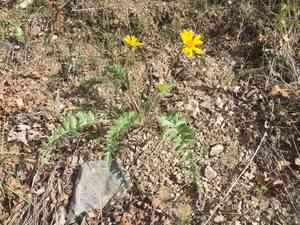
The striking yellow blossoms of Hooker's balsamroot can inject a burst of color into any garden or natural setting. Its large, vivid flowers are not only visually stunning but also draw in various pollinators, such as bees and butterflies, fostering a lively and diverse ecosystem.
Minimal Upkeep Needs
A primary benefit of Hooker's balsamroot is its robust nature and low maintenance requirements. This plant flourishes in diverse soil types and needs little watering once established, making it an excellent option for gardeners seeking a beautiful yet drought-resistant plant.
What Environmental Benefits Does Hooker's balsamroot Offer?
Supports Local Pollinators
Hooker's balsamroot plays a vital role in sustaining native pollinator populations. Its flowers supply crucial nectar and pollen resources during blooming seasons, which, in turn, helps maintain local bee and butterfly species. By cultivating Hooker's balsamroot, you can aid in the preservation of these important insects.
Enhances Soil Quality
The roots of Hooker's balsamroot are recognized for their capacity to stabilize soil, reducing erosion and promoting overall soil health. Its deep taproot system enables it to access nutrients and water from deeper soil layers, which can help improve soil structure and fertility.
What Are the Historical Applications of Hooker's balsamroot?
Traditional Medicine
Historically, various parts of Hooker's balsamroot have been employed in traditional practices. For instance, its roots and leaves were commonly used by indigenous communities for their wellness-supporting attributes. While contemporary uses may differ, these historical applications underscore the plant's enduring importance.
Natural Pigment
Interestingly, Hooker's balsamroot has also been utilized as a natural dye. The vibrant yellow hue of its flowers can be extracted and applied to color fabrics and other materials, providing an eco-friendly alternative to synthetic dyes.
How Can You Grow Hooker's balsamroot in Your Garden?
Optimal Growing Conditions
To successfully cultivate Hooker's balsamroot, it's crucial to understand its preferred growing environment. This plant thrives in well-drained soil with full sun exposure. It is also tolerant of dry conditions, making it suitable for xeriscape gardening.
Propagation Methods
Hooker's balsamroot can be propagated via seeds or root division. Seeds should be sown in the autumn or early spring, while root division is best performed during the plant's dormant period. Ensuring the correct conditions for germination and growth will result in a thriving Hooker's balsamroot in your garden.
How Does Hooker's balsamroot Contribute to Ecological Diversity?
Wildlife Habitat
By planting Hooker's balsamroot, you can establish a mini-ecosystem that supports various forms of wildlife. Its flowers and foliage offer food and shelter for insects, birds, and other small animals, fostering a biodiverse garden environment.
Adaptability Rate
Hooker's balsamroot is known for its ability to adapt to diverse environmental conditions. Whether in arid climates or rocky terrains, this plant can establish itself and flourish, making it a valuable component of ecological restoration projects.



