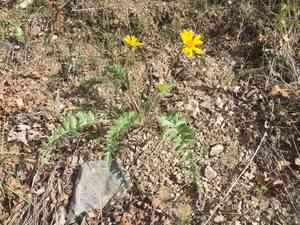
Hooker's balsamroot (Balsamorhiza hookeri)
Also known as: Hairy balsamroot, Neglected balsamroot
Hooker's balsamroot is a spring wildflower known for its vibrant yellow blossoms that stay in bloom for an extended period, adding a cheerful touch to the landscape. This plant, which attracts native bees and serves as a food source for various grazing animals, is named after William Jackson Hooker, a former director of Kew Gardens.
In This Article
Attributes of Hooker's balsamroot
Lifespan
Perennial
Plant Type
Herb
Plant Height
10 cm to 30 cm
Spread
30 cm
Leaf Color
Green Blue
Flower Size
2.5 cm to 8 cm
Flower Color
Yellow Green Cream
Images of Hooker's balsamroot
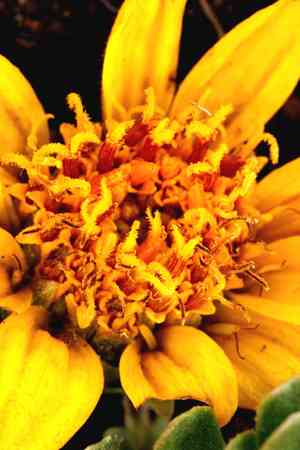
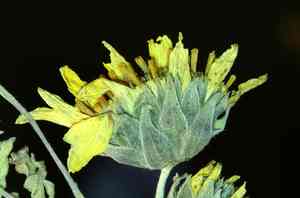
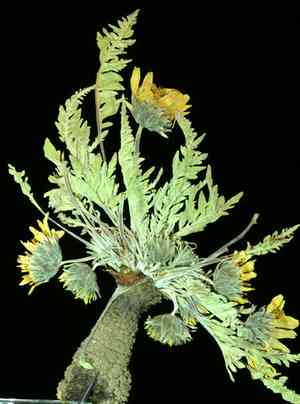
Quickly Identify Hooker's balsamroot
1
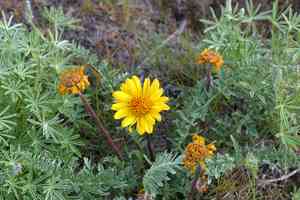
Can be identified by its large, bright yellow ray flowers, gray-green basal leaves which are often woolly-hairy, and its broad, sunflower-like flower heads. The plant grows in dry, rocky soils.
Scientific Classification of Hooker's balsamroot
Phylum
Vascular plants
Class
Dicotyledons
Order
Asterales
Family
Daisy
Genus
Balsamroots
Species
Hooker's balsamroot
Planting and Growing of Hooker's balsamroot
Care Difficulty
Easy
Watering Schedule
Every 2 days
Sunlight Requirements
Full sun
Sunshine Duration
6-10 hours
Ideal Temperature
60-75℉
Soil Type
Potting Mix, Peat Mix
Soil pH
6.5-7.5
Fertilizer Type
Balanced
Pruning Season
Spring, Summer
Pruning Area
Branches, Leaves
Pruning Frequency
2 times a year
Repotting Season
Spring
Pot Type
Terracotta, Plastic
 How to Water Hooker's balsamroot?
Balsamorhiza hookeri, commonly known as Hooker's balsamroot, requires a moderate watering strategy. When watering, aim for approximately 150 milliliters per session, ensuring the soil is evenly moistened without creating a waterlogged environment. This plant thrives in drier conditions similar to its native habitats, so it is essential to let the soil dry between waterings.
What are the symptoms of an underwatered Hooker's balsamroot?
›
What should I do if my Hooker's balsamroot is not getting enough water?
›
What are the symptoms of an overwatered Hooker's balsamroot?
›
How to save an overwatered Hooker's balsamroot?
›
 What Are the Sunlight Requirements for Hooker's balsamroot?
Full sun exposure is ideal, ensuring healthy growth and vibrant blooming. This lighting condition aids in maintaining the plant's physiological and aesthetic properties.
More About Sunlight Requirements Techniques→
How much sunlight does Balsamorhiza hookeri need?
›
What is the solution for optimal sunlight?
›
What are the benefits of ideal sunlight?
›
 What Is the Ideal Temperature Range for Hooker's balsamroot?
The ideal temperature range for Balsamorhiza hookeri is between 60°F and 75°F. Maintaining this temperature range allows the plant to optimally perform photosynthesis and other physiological processes. These conditions mimic its natural habitat in certain regions where it thrives during its growth cycle.
 What Soil is Best for Hooker's balsamroot?
Balsamorhiza hookeri thrives in well-drained soil, which prevents waterlogging that can lead to root rot. This characteristic is especially vital in its native arid habitats, ensuring it can adequately access oxygen and nutrients while mitigating root diseases. The plant prefers a sandy soil composition that mimics its natural environment. Sandy soils offer excellent drainage and aeration, crucial for the growth and development of this drought-tolerant species, allowing the roots to spread efficiently. While Balsamorhiza hookeri is not overly demanding, it requires moderate nutrient levels to sustain growth. A balanced sandy loam enriched with organic matter can offer adequate nutrients, promoting healthy foliage and flowering.
 How to Fertilize Hooker's balsamroot?
For Balsamorhiza hookeri, use a balanced fertilizer diluted to half strength for liquid applications. Ideally, this means using around half a teaspoon per gallon of water. For slow-release fertilizers, apply at a rate of one pound per 50 square feet of garden space.
 How to Prune Hooker's balsamroot?
Start by identifying and removing any dead or severely damaged leaves and stems. Use clean, sharp scissors or pruning shears to make precise cuts. Trim back any excessively long or wayward stems to encourage a more compact and tidy growth habit. Make cuts just above a pair of healthy leaves to promote branching. After pruning, ensure the plant receives adequate water, especially if you have removed a significant amount of its foliage. Depending on the region, you may also want to provide mulch around the base to retain moisture and protect the roots. Observe the plant for signs of stress and adjust care as needed.
More About Pruning Techniques→
 How to Propagate Hooker's balsamroot plant?
1
Fill a seed tray with well-draining soil and sow Balsamorhiza hookeri seeds just below the surface. Water gently and place in a warm, sunny spot. Maintain consistent moisture for successful germination.
2
For division, carefully remove the plant from the ground in early spring. Use a sharp knife to divide the root clump into smaller sections, ensuring each has roots attached, and replant immediately.
3
After sowing or planting divisions, ensure they remain moist but not waterlogged. Placing them in a location with partial sunlight and protecting them from strong winds will foster healthy growth.
 How to Repot Hooker's balsamroot plant?
1
Recognize the right time to repot Balsamorhiza hookeri when roots begin to crowd the pot or emerge from the drainage holes. It's important to repot during spring or autumn, as this is when the plant is less active and can adjust better to changes.
2
Select a pot that is just one size larger than the current one to prevent overwatering. A pot with sufficient drainage holes is essential to avoid root rot, ensuring a healthier plant environment by allowing excess water to escape.
3
Choose a well-draining cactus mix to mimic Balsamorhiza hookeri's natural environment. This type of soil ensures that water drains quickly, reducing the risk of root rot while providing necessary aeration around the roots.
Learn More About Hooker's balsamroot Diseases
Anthracnose
Bacterial Leaf Spot
Bacterial Wilt
Crown Gall
Cyst Nematode
Damping-off
Downy Mildew
Drought Stress
Fusarium Wilt
Gray Mold
Leaf Spot
Mosaic
Nutrient Deficiency
Nutrient Toxicity
Powdery Mildew
Root Rot
Root-knot Nematode
Rusts
Sooty Mold
Spider Mites
Temperature Stress
Thrips Damage
White Mold



