How to Prune Hooker's balsamroot?
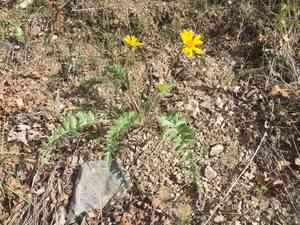
This robust perennial, featuring spear-shaped foliage and bright yellow blossoms, hooker's balsamroot flourishes with limited trimming. In spring or summer, clip faded flowers and deceased leaves to encourage fresh development and sustain the plant's vitality. Periodically clearing away aged foliage improves air movement, thereby lowering the likelihood of illness. Avoid extensive cutting, as hooker's balsamroot inherently forms its own structure, and excessive pruning can hinder its vigorous character. Trimming also directs energy towards the plant's spectacular blooming period.
What Are the Benefits of Pruning Hooker's Balsamroot?
What Are the Benefits of Pruning Hooker's Balsamroot?
Trimming hooker's balsamroot promotes more vigorous development and helps maintain its desired form. Strategic cuts can revitalize the plant, leading to a surge of new, healthy growth while shaping it to complement the garden's aesthetic.
What Is the Best Time for Pruning Hooker's Balsamroot?
What Is the Best Time for Pruning Hooker's Balsamroot?
Pruning in Spring allows for the removal of winter-damaged foliage and stimulates new growth for hooker's balsamroot. This timing is ideal as it aligns with the plantâs natural growth cycle, which resumes in this season, ensuring the plant has ample energy for significant regeneration. It also occurs before the flowering period, preventing the cutting of bloom-producing stems. Pruning in Summer is not recommended as it can stress hooker's balsamroot during its active growth and blooming phase, potentially leading to reduced vigor and fewer flowers.
What Tools Do I Need to Prune Hooker's Balsamroot?
Bypass Pruners
Hooker's balsamroot typically doesn't require extensive cutting, but precise removal of dead or damaged foliage is crucial. Bypass pruners are suitable for this task due to their sharp, curved blades that provide clean cuts, facilitating healthy regrowth.
Garden Scissors
For shaping hooker's balsamroot and thinning out any dense areas, garden scissors with fine tips allow for delicate snipping and are ideal for reaching into tight spaces without harming the plant's main structure.
Hand Saw
If hooker's balsamroot has matured and developed thicker branches, a sharp hand saw may be used to remove such growth. This tool enables cutting of woodier stems without causing unnecessary stress to the plant.
How to Prune Hooker's Balsamroot
Sanitation
Sterilize your pruning tools with a solution of one part bleach to nine parts water to prevent the spread of disease during trimming.
Removal diseased leaves
Carefully remove any diseased leaves from hooker's balsamroot by making clean cuts at the base of each leaf with sanitized pruning shears, ensuring to avoid harm to healthy parts.
Removal withered leaves
Identify and trim away withered leaves from hooker's balsamroot, cutting at the base without pulling, to avoid damage to the adjacent healthy tissue.
Removal diseased stems
Closely inspect hooker's balsamroot and cut any diseased stems down to ground level or to a healthy section, ensuring cuts are made at a 45-degree angle to promote healing and prevent water accumulation.
Disposal
Dispose of any diseased or dead material far from hooker's balsamroot to prevent potential reinfection, and do not compost as it may spread pathogens.
Common Pruning Mistakes with Hooker's Balsamroot
Over-pruning
Removing too much foliage from hooker's balsamroot at once can stress the plant and inhibit growth. Prune sparingly to maintain the plant's natural shape and health.
Improper cutting technique
Making jagged or torn cuts on hooker's balsamroot can create open wounds more vulnerable to disease. Use sharp, clean tools to make straight, clean cuts.
Pruning healthy growth
Cutting away healthy, vibrant growth on hooker's balsamroot can reduce the plant's capacity for photosynthesis and weaken it overall. Focus on removing dead or damaged material.
Disregarding plant structure
Hooker's balsamroot has a specific growth pattern that should be respected when pruning. Ignoring this can lead to an unnatural appearance and compromised plant vitality.
Common Pruning Tips for Hooker's Balsamroot
Identify targets
Pinpoint the dead or dying stems, spent flowers, and any diseased or damaged foliage on hooker's balsamroot for removal to enhance plant health and appearance.
Use the right tools
Employ sharp, clean, and appropriate-sized pruning tools to ensure precise cuts on hooker's balsamroot, which aids in quick recovery and minimizes damage.
Cut at node
Make cuts just above a leaf node or base of hooker's balsamroot's stem to promote healthy new growth and maintain the plant's natural shape.
Sterilize equipment
Before and after pruning hooker's balsamroot, sterilize all tools to prevent the spread of disease between plants.
Thin out density
Thin out densely packed areas of hooker's balsamroot to improve air circulation, which can help prevent fungal disease and promote robust growth.



