How to Transplant Black Mangrove?
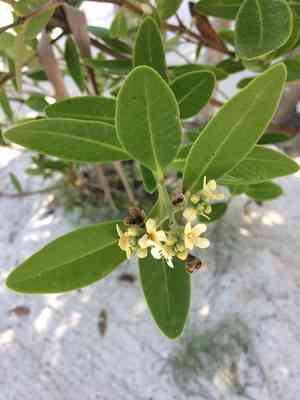
The most favorable period for relocating black Mangrove is between mid-spring and early summer, as consistent temperatures aid in root development. Select seaside environments featuring soil that drains effectively. When moving the plant, reduce disruption to its root system to encourage successful integration.
What Preparations are Needed Before Transplanting Black Mangrove?
What is the Ideal Time for Transplanting Black Mangrove?
The optimal period for relocating black Mangrove spans from mid-spring to early summer. This timing leverages the mild weather, fostering strong root development before the summer heat. During this window, black Mangrove flourishes, as soil moisture and temperature are favorable for growth. Establishing black Mangrove now ensures a healthy, adaptable plant, ready to endure the intense summer months ahead. This helpful advice stems from the symbiotic relationship between black Mangrove and the season's nurturing conditions.
How Much Space Should You Leave Between Black Mangrove Plants?
Excellent choice to transplant black Mangrove! To provide ample room for growth, aim to space them approximately 5-6 feet (1.5-1.8 meters) apart. This promotes dense, vibrant growth and also allows for proper air circulation!
What is the Best Soil Mix for Black Mangrove Transplanting?
For black Mangrove, a soil blend that is moist and sandy is ideal. Enhance it by incorporating a foundational fertilizer rich in nitrogen and potassium. This combination creates a fertile bed for your young plants!
Where Should You Relocate Your Black Mangrove?
You'll want to position black Mangrove in areas with full sun to partial shade for optimal growth. These plants adore sunlight, so locations where they can soak up the sun for a significant part of the day are excellent!
What Equipments Should You Prepare Before Transplantation Black Mangrove?
Shovel or Spade
To excavate the planting hole for the black Mangrove and extract it from its original spot.
Gardening Gloves
To safeguard your hands while handling soil and the plant.
Wheelbarrow or Heavy-duty Bucket
For moving the black Mangrove from its initial location to the new site.
Pruning Shears
To trim any unhealthy or damaged root structures.
Landscape Fabric
To inhibit weed proliferation around the black Mangrove after its relocation.
Mulch
For maintaining soil moisture and temperature, crucial for the black Mangrove's recovery post-transplantation.
Water Hose or Watering Can
To keep the plant hydrated during and after the transplanting process.
Tape Measure
To ensure accurate planting depth and spacing for the black Mangrove relative to other plants.
How Do You Remove Black Mangrove from the Soil?
How Do You Remove Black Mangrove from the Soil?
From Ground: First, hydrate the black Mangrove plant to moisten the soil. This helps keep the root ball intact and easier to manage. Using your spade or shovel, dig a wide trench around the plant, being careful not to harm the roots. Work the spade beneath the plant, loosening the surrounding soil. Gently lift the plant with its root ball from its original position.From Pot: Water the black Mangrove plant thoroughly. Tilt the pot sideways and gently tap the rim until the plant slides out, taking care not to damage the root. If the plant is stuck, you may need to slide your spade's blade around the pot's inner edge to loosen the soil.From Seedling Tray: Water the tray well before transplanting. After drainage, push the black Mangrove seedlings out from the bottom or use a spoon to lift them, ensuring no root damage.
Step-by-Step Guide for Transplanting Black Mangrove
Preparation
Mark the planting area where you intend to transplant the black Mangrove. Dig a hole at least twice the width and depth of the black Mangrove's original root ball. Fill the hole with water and allow it to drain.
Transplanting
Carefully place the black Mangrove into the hole, ensuring it sits at the same soil level as in its previous spot. Backfill the hole with soil, making sure the root ball is fully covered and the plant is stable.
Protecting the Plant
Spread landscape fabric around the plant to deter weed growth. Cover the fabric with a layer of mulch to conserve soil moisture and regulate soil temperature.
Watering
Thoroughly water the black Mangrove once it is firmly in place, ensuring the soil is damp but not waterlogged.
Monitoring
Keep a close watch on the transplanted black Mangrove, looking for signs of stress such as wilting or yellowing foliage.
How Do You Care For Black Mangrove After Transplanting?
Initial Care
Immediately after transplant, ensure the black Mangrove receives adequate water, but avoid overwatering. Inspect the plant daily for one to two weeks to observe any changes in its appearance.
Pruning
For any parts of the black Mangrove that show distress during the move and appear unhealthy, carefully prune them to redirect energy towards new growth.
Long-Term Maintenance
Regularly check your black Mangrove for pests, diseases, or other indicators of stress. Consistent, but not excessive, watering is crucial. During particularly dry spells, the black Mangrove may benefit from additional irrigation.
Note
Avoid applying fertilizer immediately after transplanting as it can shock the black Mangrove. It's best to allow the plant several weeks to acclimate to its new environment before introducing any fertilizers.
Troubleshooting Common Issues with Black Mangrove Transplantation.
What is the ideal season for transplanting black Mangrove?
The optimal season for relocating black Mangrove is from late spring through early autumn.
What is the ideal spacing between black Mangrove when transplanting?
It's recommended to maintain a distance of approximately 5-6 feet (1.5-1.8 meters) between each black Mangrove during transplanting, for best growth.
What should be the soil condition for transplanting black Mangrove?
Black Mangrove prefers loamy, well-drained soil. Before transplanting, ensure the soil is not overly compacted to allow for root expansion.
What are some of the considerations when choosing a location to plant black Mangrove?
Black Mangrove requires a location that receives full or partial sunlight. Also, consider proximity to water and areas with low wind speeds to protect against salt spray.
How to properly water black Mangrove after transplanting?
Water black Mangrove thoroughly after transplanting. While maintaining moisture, prevent overwatering to avoid root rot. Adjust watering based on rainfall and temperature conditions.
How to ensure successful root establishment for black Mangrove after transplanting?
Avoid disturbing the plant as much as possible. Limit pruning and maintain appropriate soil moisture levels to encourage root development.
Is fertilizing necessary after transplanting black Mangrove?
Yes, provide black Mangrove with a slow-release fertilizer specifically formulated for shrubs or trees after transplanting. This will supply the essential nutrients for its growth.
How to protect my black Mangrove from pests after transplanting?
Monitor your black Mangrove regularly for signs of pests. Take immediate action with suitable pest control measures if any indications are observed.
What issues could potentially hinder black Mangrove's transplant success?
Issues such as an incorrect transplanting season, insufficient spacing between plants, poor soil conditions, and improper post-transplant care could impede black Mangrove's success.
How often should you check on black Mangrove after transplanting?
It's advisable to check on your black Mangrove weekly for the first six months following planting. Look for signs of pests, disease, or environmental stress.



