How to Propagate Black Mangrove?
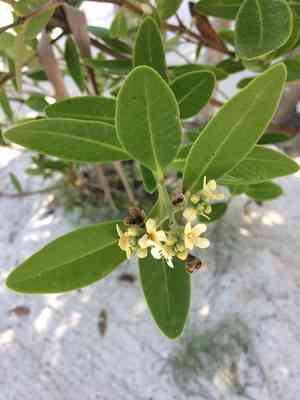
A resilient coastal anchor, black Mangrove flourishes in salty conditions, positioning it as a crucial species for safeguarding coastlines. Highly effective for propagation via cuttings, this method enables accurate genetic duplication and simpler establishment. Verify the use of sound, pathogen-free stems for peak outcomes, providing each segment the greatest opportunity for successful root development and expansion. Diligence is required to sustain suitable hydration levels while preventing oversaturation, as black Mangrove may be susceptible to overly damp growing media, potentially causing root decay.
Optimal Period for Black Mangrove Propagation
Propagation Method
Cutting
Propagation Period
Spring,Summer
Tools Utilized in Black Mangrove Propagation
Sharp Pruning Shears
These are crucial for obtaining clean and precise cuttings from black Mangrove. Sharp blades help prevent harm to the parent plant and ensure a healthy cutting by minimizing tissue damage, which can impact root development.
Rooting Hormone
Rooting hormone encourages faster and more dependable root formation in black Mangrove cuttings. It contains synthetic auxins that mimic natural plant hormones, boosting root initiation and growth, especially useful given the challenging conditions black Mangrove often endures.
Sterile Potting Mix
This specially formulated, soilless medium offers an ideal environment for the rooting of black Mangrove cuttings. Free from pathogens and weeds, it supports healthy root growth without the competition or disease risk posed by regular soil.
Propagation Trays
These hold the cutting and potting mix, facilitating organized growth of multiple black Mangrove cuttings simultaneously. They enable efficient space utilization and easier management under controlled conditions.
Plastic Covers or Humidity Domes
These tools create a moist microenvironment around the black Mangrove cuttings, which helps maintain the necessary moisture levels, preventing desiccation and encouraging successful rooting.
Misting Bottle
Mist provides gentle hydration, essential for black Mangrove cuttings before and after they begin rooting. A misting bottle helps keep humidity high while avoiding soil saturation that can lead to fungal infections.
Temperature Control Equipment
Given that black Mangrove thrives in specific climatic conditions, temperature control systems like heating mats help maintain the optimal temperature range necessary for the successful propagation of cuttings.
How to Propagate Black Mangrove?
Propagation Difficulty
Moderately Difficult
How to Care for Your Newly Propagated Black Mangrove?
How to Care for Your Newly Propagated Black Mangrove?
After planting the propagated black Mangrove, maintain consistent moisture and avoid dry conditions as black Mangrove requires a wet environment to thrive. Protect from frost and ensure high humidity. Gradually acclimate the plant to outdoor conditions if it was propagated indoors. Monitor for pests and diseases commonly associated with black Mangrove, and address any issues promptly to ensure healthy growth.
Common Mistakes to Avoid When Propagating Black Mangrove
Incorrect watering
Gardeners may either overwater or underwater black Mangrove, which can lead to root rot or desiccation. Black Mangrove grows in environments with a mix of salt and freshwater and has specific watering needs that do not correlate directly to typical garden plants.
Soil composition neglect
Using the incorrect soil mix can prevent the healthy growth of black Mangrove. Black Mangrove requires a soil composition that mimics its natural brackish, coastal environment, which is often sandy with good drainage yet able to hold moisture.
Improper salinity levels
Black Mangrove is adapted to saline environments, and failure to provide a salt-tolerant environment can hamper its growth. Gardeners may ignore the plant's need for salt when propagating inland or under freshwater conditions.
Tips For Propagating Black Mangrove
Use cuttings from young trees
Cuttings from younger black Mangrove trees have a higher success rate of rooting. Select healthy, disease-free branches for the best results.
Mimic natural conditions
Replicate the brackish water conditions that black Mangrove favors. This can be achieved by maintaining a gentle mix of salt in the water used for propagating cuttings, which better simulates their native habitat.
Provide adequate aeration
Ensure propagation containers or soils are well-aerated. Black Mangrove's natural habitat has loose, oxygen-rich soil, which is essential for its specialized root system.



