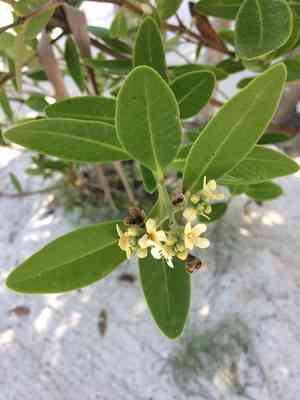
Black Mangrove (Avicennia germinans)
Also known as: Black Mangrove
The red mangrove (Rhizophora mangle) is a tree species native to tropical and subtropical regions. This plant is crucial for coastal ecosystems, offering nursery habitats for various fish and wildlife near shorelines. Red mangroves are known for producing propagules, which are seed-like structures that develop into new trees.
In This Article
Attributes of Black Mangrove
Lifespan
Perennial
Plant Type
Shrub
Plant Height
12 m to 15 m
Spread
30 cm to 2.5 m
Leaf Color
Green
Flower Size
2.5 cm to 5 cm
Flower Color
White
Images of Black Mangrove
Quickly Identify Black Mangrove
1
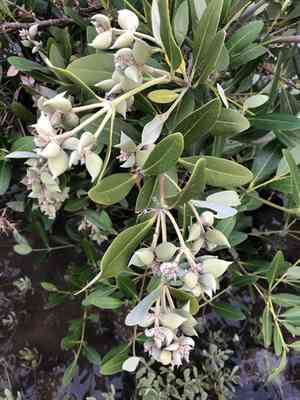
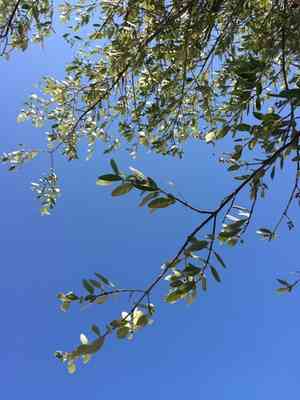
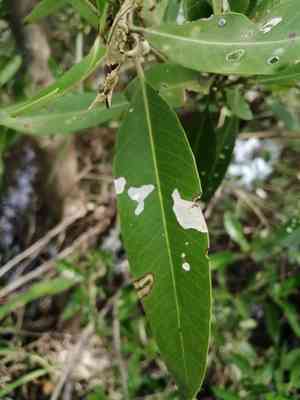
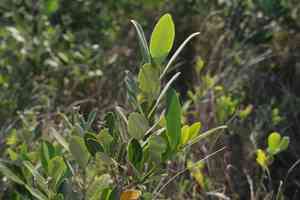
Black Mangroves can be identified by their dark, rough bark and pencil-like pneumatophores (breathing roots) that protrude from the soil around the tree. The leaves are typically dark green on top and slightly paler underneath, often with salt crystals.
Scientific Classification of Black Mangrove
Phylum
Vascular plants
Class
Dicotyledons
Order
Lamiales
Family
Acanthus
Genus
Mangrove
Species
Black Mangrove
Planting and Growing of Black Mangrove
Care Difficulty
Hard
Watering Schedule
Every 4 days
Sunlight Requirements
Full sun
Sunshine Duration
6-10 hours
Ideal Temperature
77-95℉
Soil Type
Potting Mix, Peat Mix
Soil pH
6.5-7.5
Fertilizer Type
Balanced
Pruning Season
Spring, Summer
Pruning Area
Branches, Leaves
Pruning Frequency
2 times a year
Repotting Season
Spring
Pot Type
Terracotta, Plastic
 How to Water Black Mangrove?
Avicennia germinans, commonly known as the black mangrove, requires careful watering. It's crucial to ensure the soil remains moist, mimicking its natural coastal habitat. You should apply about 200 ml of water each time, enough to moisten the soil without oversaturating it. The aim is to mimic tide conditions, where the soil is moist but never waterlogged.
What are the symptoms of an underwatered Black Mangrove?
›
What should I do if my Black Mangrove is not getting enough water?
›
What are the symptoms of an overwatered Black Mangrove?
›
How to save an overwatered Black Mangrove?
›
 What Are the Sunlight Requirements for Black Mangrove?
Avicennia germinans favors a light range that includes full sun to partial sun, benefiting from approximately 6 to 8 hours of sunlight daily. This balance promotes optimal photosynthesis, encouraging robust growth and healthy development.
More About Sunlight Requirements Techniques→
What is the ideal lighting condition for Avicennia germinans?
›
How can I achieve these ideal lighting conditions?
›
What benefits does ideal lighting bring to the plant?
›
 What Is the Ideal Temperature Range for Black Mangrove?
The ideal temperature range for Avicennia germinans falls between 77°F and 95°F. These conditions provide an optimal environment for growth, promoting efficient photosynthesis and nutrient uptake. Maintaining temperatures within this range ensures healthy foliage and sustained growth rates.
 What Soil is Best for Black Mangrove?
Avicennia germinans thrives in saline soils, which provides it with a unique competitive advantage over other species. This salinity tolerance also allows it to colonize coastal and intertidal areas where few other plants can survive. The plant thrives in waterlogged conditions which help the management of excess water levels making it ideal for coastal areas prone to flooding. These conditions also improve gas exchange for the roots in muddy soils. Avicennia germinans can tolerate nutrient-poor soil environments, a feature that is advantageous in mangrove ecosystems where organic material is sparse. This enables the plant to maintain growth without intensive nutrient supplementation.
 How to Fertilize Black Mangrove?
Avicennia germinans, commonly known as black mangrove, thrives in nutrient-rich coastal habitats. When fertilizing, use a balanced liquid fertilizer diluted to half strength. Each application should be approximately 0.5 to 1 liter per plant, ensuring proper nutrient supply without overloading the sensitive root system.
 How to Prune Black Mangrove?
Wear gloves and protective eyewear to avoid injury from thorns or sharp edges. Dispose of pruned materials properly to prevent attracting pests. Be cautious of wildlife that may inhabit the plant, such as birds or insects.
More About Pruning Techniques→
 How to Propagate Black Mangrove plant?
1
Collect ripe black mangrove seeds from mature plants. Ensuring seeds are mature is crucial as immature seeds may not germinate. Prepare the seeds immediately following collection to maintain viability.
2
Select healthy stems from established plants and cut them at an angle below a node. It's important to choose disease-free stems to increase the chances of successful propagation.
3
Insert the cuttings into a prepared potting mix. Ensure that at least one node is buried to encourage root growth. Water the area lightly after planting to set the soil around the cutting.
 How to Repot Black Mangrove plant?
1
Look for roots emerging from drainage holes or soil compacted into a tight mass. This indicates the plant requires more space for root expansion, allowing healthier growth.
2
Select a container 2-4 inches larger in diameter with good drainage. This allows root growth and prevents waterlogging, protecting against root rot and promoting healthier plant development.
3
Opt for a saline and well-draining mix. Such soil mimics its natural habitat, allowing proper aeration, and moisture retention, essential for the plant's robust root health and vitality.
Toxicity
Ingestion, Contact
WARNING
The judgment on toxicity and danger is for reference only. We DO NOT GUARANTEE any accuracy of such judgment. Therefore, you SHALL NOT rely on such judgment. It is IMPORTANT TO SEEK PROFESSIONAL ADVICE in advance when necessary.



