Enhancing Your Garden Design with the Black Mangrove Plant: A Landscaping Guide
1
The Black Mangrove exhibits remarkable hardiness, rendering it an ideal selection for effortless garden design.
2
Integrating Black Mangrove into aquatic displays can establish striking central elements.
3
Black Mangrove aids indigenous fauna, fostering a more environmentally conscious outdoor space.
Introducing Black Mangrove for Landscape Design
Overview of Black Mangrove and its native environment
Black Mangrove, commonly known as the Black Mangrove, flourishes in coastal regions where it plays a vital role in stabilizing coastlines. These trees are frequently found in saline or brackish waters, where their distinctive roots emerge above the surface, enabling them to respire and survive in such challenging conditions. Their natural habitat primarily encompasses tropical and subtropical zones, making them well-suited for warm, humid climates.
Appreciating the aesthetic appeal of Black Mangrove
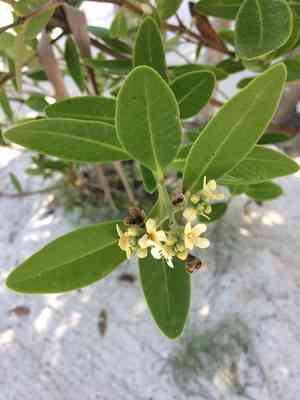
Black Mangrove offers a unique visual charm with its glossy green foliage and characteristic aerial roots, which can impart an exotic flair to your landscape. The white to grayish bark and dark, dense leaves create a striking contrast that can elevate the beauty of any garden. Incorporating Black Mangrove into your landscaping can provide a visually captivating experience, transforming ordinary areas into serene, nature-inspired havens.
Why Select Black Mangrove for Your Outdoor Space?
Resilience and hardiness of Black Mangrove
A key attribute of Black Mangrove is its remarkable durability. These trees can endure high salinity, strong winds, and even periodic flooding, making them perfect for coastal or difficult-to-maintain garden settings. Their resilience ensures that once planted, Black Mangrove requires minimal intervention to thrive, offering lasting beauty and stability to your outdoor areas.
Advantages of minimal upkeep
For homeowners seeking an attractive yet easy-to-care-for plant, Black Mangrove is an excellent option. It needs little pruning and is resistant to many common pests and diseases. This means you can enjoy its aesthetic benefits without constant gardening effort. Simply ensuring it receives adequate sunlight and occasional watering is sufficient to keep Black Mangrove healthy and vibrant.
Ecological benefits and wildlife support
Black Mangrove is more than just an attractive plant; it plays a crucial role in supporting local ecosystems. Its dense canopy provides shelter and nesting sites for birds, while its root system offers protection and food sources for aquatic life. By integrating Black Mangrove into your landscape, you contribute positively to the environment, fostering biodiversity and creating a refuge for local wildlife.
Design Concepts with Black Mangrove
Establishing focal points in garden areas
Utilizing Black Mangrove as a central feature in your garden can attract attention and create engaging dynamics within your landscape. Due to its distinctive appearance, strategically placing Black Mangrove can serve as a natural centerpiece around which other plants and garden elements are arranged. Its striking form and texture provide a natural visual anchor, enhancing overall garden aesthetics.
Integration into water features
Black Mangrove naturally flourishes in aquatic environments, making them ideal for incorporation into water features. Whether you have a pond, a man-made stream, or a coastal-themed garden, planting Black Mangrove near these water sources can enhance their visual appeal. The tree's reflective foliage and arching roots add an authentic coastal ambiance, transforming simple water features into stunning visual displays.
Pairings with other plants for contrast
Combining Black Mangrove with other plant species can create interesting contrasts and add depth to your garden. Consider pairing Black Mangrove with plants that have different leaf colors or textures, such as ornamental grasses or flowering shrubs. This not only enriches the visual tapestry of your garden but also ensures a varied and dynamic plant palette that thrives harmoniously together.
Caring for Black Mangrove in Landscaped Settings
General guidelines for placement and sun exposure
To ensure Black Mangrove thrives in your landscape, select a location that receives ample sunlight. While these trees tolerate varying light conditions, they perform best in full sun to partial shade. It's also important to consider the soil type; Black Mangrove prefers well-draining soils but can tolerate a range of soil conditions from sandy to loamy.
Watering strategies for optimal development
While Black Mangrove is highly adaptable to diverse water conditions, providing a consistent water source during its initial growth phase is essential. Ensure the soil remains moist but not waterlogged. In coastal areas, natural rainfall may suffice, but in drier climates, occasional manual watering will help establish the tree and promote robust growth.
Inspiration from Real-world Applications of Black Mangrove
Case studies and successful examples
Many gardeners and landscapers have successfully integrated Black Mangrove into their outdoor spaces. For instance, coastal properties have utilized Black Mangrove to prevent shoreline erosion while adding aesthetic value. Urban gardens have adopted Black Mangrove for its resilience and low maintenance needs, creating lush, green sanctuaries in otherwise challenging environments. These case studies demonstrate the versatility and benefits of using Black Mangrove in various settings.
Visual gallery of landscape projects
A picture is worth a thousand words, and seeing Black Mangrove in different landscaping projects can inspire your own design ideas. From coastal backyards to urban green spaces, visual galleries showcasing Black Mangrove in diverse settings highlight its adaptability and beauty. These images can spark creativity and provide practical insights into how you can use Black Mangrove to enhance your own outdoor space.



