How to Prune Black Mangrove?
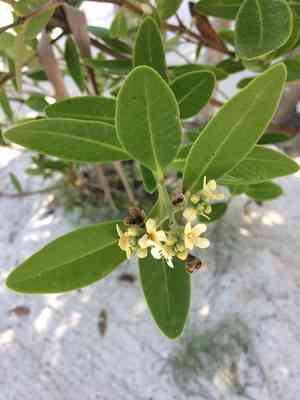
The black Mangrove, a salt-resistant variety featuring prop roots and deep-hued, tough foliage, flourishes in seaside habitats. Trim to sculpt the crown, eliminate compromised limbs, and improve air circulation. Perform pruning during its winter resting phase to lessen strain. Trimming encourages robust development and can lessen harm from severe weather. Specific precautions involve sanitizing implements to avert illness and safeguarding the delicate root structure from harm.
What Are the Benefits of Pruning Black Mangrove?
What Are the Benefits of Pruning Black Mangrove?
Trimming black Mangrove encourages robust development and helps maintain its desired form, directly influencing its resilience and visual appeal in landscapes.
What Is the Best Time for Pruning Black Mangrove?
What Is the Best Time for Pruning Black Mangrove?
Trimming black Mangrove from late winter to early spring, prior to new growth, offers several advantages. Firstly, the plant is typically dormant then, reducing stress and energy expenditure. Secondly, with fewer leaves, black Mangrove's structure is clearer, allowing for more accurate cuts and better identification of damage or disease. Additionally, removing excess growth before the growing season begins can direct the plant's energy towards producing strong new shoots and healthy foliage. This timing also avoids disrupting flowering and fruiting cycles common in warmer months, preserving black Mangrove's ecological roles, such as providing habitat and food for wildlife. Pruning during this recommended period helps maintain black Mangrove's overall health and structure, while also promoting its growth and resilience.
What Tools Do I Need to Prune Black Mangrove?
Hand Pruners
Perfect for cutting smaller branches and twigs of black Mangrove that are less than 3/4 inches thick. Hand pruners offer precision and are easy to use, making them ideal for detailed trimming.
Loppers
Suitable for severing thicker branches of black Mangrove up to 2 inches in diameter. Their extended handles provide leverage for clean cuts without harming the branches.
Pruning Saw
Essential for removing larger branches of black Mangrove with a diameter exceeding 2 inches. A pruning saw enables cutting through dense wood without tearing or splitting plant tissue.
Pole Pruner
Useful for reaching higher branches of black Mangrove without needing a ladder. This tool can cut branches up to 1 inch in diameter and is perfect for routine upkeep to keep the canopy at a manageable size.
Shears
Can be utilized for shaping black Mangrove's foliage and maintaining its desired aesthetic. Hedge shears are appropriate for trimming leaves and small twigs, ensuring a neat and uniform growth pattern.
How to Prune Black Mangrove
Clean Tools
Before trimming black Mangrove, ensure your pruning tools are clean and sanitized to prevent disease spread. Use a solution of 1 part bleach to 9 parts water to disinfect your pruning shears and saws.
Remove Withered Leaves
Carefully identify and remove any withered leaves from black Mangrove by hand or with pruning shears, ensuring minimal damage to nearby healthy tissues. Withered leaves are typically dry, brown, and may crumble upon touch.
Cut Dead Branches
Using sharp, sterilized pruning shears or a saw, cut dead branches close to the trunk of black Mangrove, making a clean cut without leaving stubs. Cutting at a slight angle can help prevent water accumulation and potential disease.
Prune Diseased Branches
Identify and prune diseased branches of black Mangrove by cutting them at least several inches below the affected area to remove all diseased tissue. Dispose of these branches properly to avoid contaminating healthy parts of the plant.
Clean Up
After pruning black Mangrove, clean up all debris, including withered leaves, dead or diseased branches, to reduce the likelihood of disease spread. Properly dispose of or compost the plant material if safe to do so.
Common Pruning Mistakes with Black Mangrove
Overpruning
Removing too much foliage can stress black Mangrove, leading to poor growth or even death.
Tool Bluntness
Using dull tools can result in jagged cuts that can open black Mangrove up to infections and pests.
Improper Cut Locations
Cutting too close to the trunk or main branches can cause damage to the core structure of black Mangrove.
Neglecting Diseased Limb Removal
Failing to remove diseased limbs can lead to the spread of illness throughout black Mangrove.
Ignoring Aeration
Not considering the unique root breathing structures (pneumatophores) of black Mangrove can compromise oxygen intake if they are accidentally pruned or covered.
Unsterilized Equipment
Using unsterilized pruning tools can introduce diseases to black Mangrove.
Common Pruning Tips for Black Mangrove
Sharp Tools
Always use sharp and clean tools to make clean, precise cuts on black Mangrove, minimizing stress and risk of disease.
Consider Growth Pattern
Understand the natural growth pattern of black Mangrove before pruning, to maintain its structural integrity and natural shape.
Diseased Branches
Regularly remove any diseased or dead branches to maintain the health of black Mangrove and prevent the spread of disease.
Proper Cut Angle
Make cuts at an angle, away from the trunk, to avoid water accumulation that could cause rot in black Mangrove.
Respect Root System
Be mindful of black Mangrove's specialized aerial roots, and avoid damaging them during the pruning process to ensure proper respiration.
Cleaning Pruning Tools
Sterilize pruning tools before and after each use to prevent the spread of disease between black Mangrove or other plants.



