How to Transplant Crested saltbush?
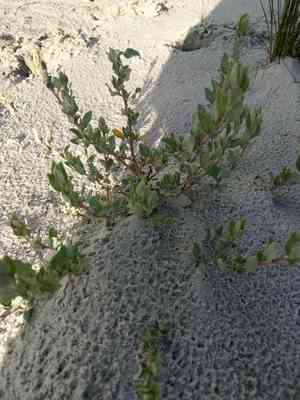
For best development, crested saltbush ought to be relocated from early to mid-spring. Select bright spots featuring soil that drains efficiently. Verify that the chosen site is sheltered from powerful gusts to aid the successful establishment of young specimens.
What Preparations are Needed Before Transplanting Crested Saltbush?
What is the Ideal Time for Transplanting Crested Saltbush?
The best time for relocating crested saltbush is from the start of early spring to the middle of spring. During this period, ground temperatures are favorable for root development, ensuring robust growth. Moving crested saltbush at this time leverages its natural growth cycle, enhancing root strength and resilience before the summer heat.
How Much Space Should You Leave Between Crested Saltbush Plants?
For crested saltbush, ensure each plant is spaced 12-18 inches (30-45 cm) apart to provide ample room for growth and expansion.
What is the Best Soil Mix for Crested Saltbush Transplanting?
Prepare the soil for crested saltbush by selecting well-drained soil with a sandy or loamy consistency. Incorporate a balanced base fertilizer to support healthy development.
Where Should You Relocate Your Crested Saltbush?
Place crested saltbush in a spot that receives full sunlight, ideally 6-8 hours of direct sun daily, to ensure vigorous growth.
What Equipments Should You Prepare Before Transplantation Crested Saltbush?
Gardening Gloves
To safeguard your hands while handling soil and plants.
Shovel or Spade
To excavate the plant and the new planting site.
Hand Trowel
For precise digging and careful plant handling.
Watering Can or Hose
To maintain soil moisture during the transplanting process.
Wheelbarrow or Bucket
To move the plant if necessary.
Mulch
To help retain moisture and stabilize soil temperature.
How Do You Remove Crested Saltbush from the Soil?
How Do You Remove Crested Saltbush from the Soil?
From Ground: First, hydrate the crested saltbush plant to moisten the soil. Then, dig a wide trench around the plant using a shovel or spade, ensuring the plant's root ball remains intact. Carefully work the spade beneath the root ball to lift the plant from its original spot.From Pot: Begin by thoroughly watering the crested saltbush plant in its container. Gently invert the pot while supporting the plant's base with your hands. Tap the bottom of the pot to loosen the plant, and carefully slide the plant out, ensuring the root ball stays intact.From Seedling Tray: Lightly water the seedling tray to facilitate plant removal. Use a hand trowel or your fingers to gently lift each crested saltbush seedling from the tray, ensuring you donât harm the roots. Handle the seedlings by their leaves to avoid crushing the stems.
Step-by-Step Guide for Transplanting Crested Saltbush
Hole Preparation
Dig a hole in the new location that is twice as wide and the same depth as the root ball of your crested saltbush plant. This will provide ample space for the roots to spread.
Take Care of Roots
If the roots of your crested saltbush are circling the root ball, gently untangle them to encourage outward growth. Be careful not to break them.
Planting
Place the crested saltbush plant in the center of the hole. Ensure that the top of the root ball is level with the ground surface. Backfill the hole with the soil you removed, gently firming the soil around the roots to eliminate air pockets.
Watering Immediately
Water the crested saltbush plant thoroughly right after transplanting. This helps to settle the soil and provide initial moisture for the roots.
Mulching
Apply a layer of mulch around the base of the crested saltbush plant, being careful to avoid direct contact with the stem. Mulching helps conserve moisture and regulate soil temperature.
How Do You Care For Crested Saltbush After Transplanting?
Watering
Keep the soil around the crested saltbush consistently moist, but not waterlogged, for the first few weeks after transplanting to help establish strong roots.
Observing
Regularly inspect the crested saltbush plant for any signs of transplant shock such as wilting or yellowing leaves. Address any issues promptly by adjusting watering or providing shade.
Weed Control
Keep the area around your crested saltbush plant free of weeds, as they can compete for nutrients and water.
Mulch Maintenance
Reapply mulch as needed to ensure a consistent layer around your crested saltbush plant, which helps to retain moisture and suppress weeds.
Troubleshooting Common Issues with Crested Saltbush Transplantation.
When is the best time to transplant crested saltbush?
Relocate crested saltbush from early spring to mid-spring for optimal growth and establishment.
How should I space crested saltbush when transplanting?
Space your crested saltbush plants 12-18 inches (30-45 cm) apart for healthy development and airflow.
How do I prepare the soil for crested saltbush?
Ensure well-draining soil enriched with compost; test pH to maintain a neutral to slightly alkaline level.
How deep should I plant crested saltbush?
Transplant crested saltbush at the same depth it was growing in its nursery pot to prevent stress.
What should I do if crested saltbush leaves wilt after transplanting?
Keep soil consistently moist and provide shade for a few days to reduce transplant shock.
How often should I water crested saltbush after transplanting?
Water crested saltbush regularly, keeping the soil evenly moist; avoid waterlogging as it can cause root rot.
Do crested saltbush plants need fertilization after transplanting?
A light application of balanced, slow-release fertilizer can help crested saltbush establish after transplanting.
Can I transplant crested saltbush on a windy day?
Avoid transplanting crested saltbush on windy days as it can cause stress and damage the young plants.
Is mulching necessary for transplanted crested saltbush?
A thin layer of mulch can help retain moisture and suppress weeds around transplanted crested saltbush.
How can I prevent pests on newly transplanted crested saltbush?
Monitor closely, use natural pest deterrents like neem oil, and ensure plants are healthy and well-spaced.



