How to Propagate Crested saltbush?
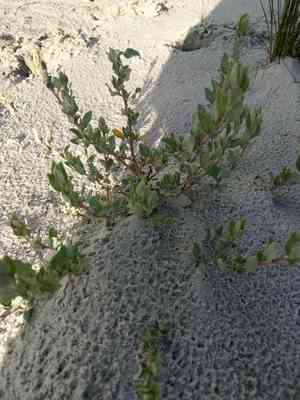
Crested saltbush flourishes most effectively when propagated by seeding. The highest success rates are generally observed when seeds are planted in soil that drains efficiently, with a light covering to preserve sufficient dampness while preventing excessive wetness. To achieve superior outcomes, utilizing a sandy loam medium offers the ideal environment for root growth, leading to a more robust establishment. Consistent observation of moisture content and preventing excessive watering can notably improve the chances of germination.
When Is the Optimal Time to Propagate Crested Saltbush?
Propagation Type
Sowing
Propagation Season
Spring
What Equipment Is Used in Crested Saltbush Propagation?
Seed trays
Seed trays are vital for germinating crested saltbush seeds. They provide a controlled setting, aiding in managing germination by ensuring even distribution of light, warmth, and moisture, all crucial for crested saltbush seed sprouting. They also prevent crowding, giving each seedling ample room to develop.
Peat-free seed starting mix
Utilizing a peat-free seed starting mix is essential for crested saltbush due to its excellent drainage and sustainable properties. It supports seed germination without holding too much moisture, which can cause seed decay. This specialized soil blend also offers a nutrient-rich, yet light, environment perfect for the delicate roots of crested saltbush seedlings.
Misting bottle
A misting bottle is employed to gently moisten crested saltbush seeds, encouraging hydration without dislodging the seeds or eroding the soil. During the sensitive phase of seed germination, especially for crested saltbush, a misting bottle helps maintain ideal humidity levels, which are key for successful seedling growth.
Grow lights (optional)
For propagators lacking consistent natural light, grow lights offer a significant benefit. They supply a steady light source crucial for the healthy development of crested saltbush seedlings, particularly before full germination and in areas with insufficient sunlight.
Heating mats (optional)
Heating mats can improve the germination process of crested saltbush by maintaining a consistent soil temperature, which is vital during colder periods. They promote faster seed germination and uniform growth across the seed tray, especially useful in environments not naturally suited for crested saltbush growth.
How to Propagate Crested Saltbush?
Propagation Type
Simple
How to Care for Your Newly Propagated Crested Saltbush?
How to Care for Your Newly Propagated Crested Saltbush?
Once crested saltbush seedlings are established, gradually introduce them to outdoor conditions over 7-10 days before permanent transplanting. Move them to a spot with full sun and well-draining soil, ensuring about 12-18 inches of space between plants for growth. Continue regular watering until plants are fully settled. Crested saltbush tolerates drought, so reduce watering frequency once established. Periodically check for pests and diseases, especially in dense plantings.
Common Errors to Avoid When Propagating Crested Saltbush
Overwatering
Excessive watering is a common error with crested saltbush, leading to root rot and fungal growth. Too much water restricts air circulation to the roots, potentially causing the plant to decline.
Deep planting
Planting crested saltbush cuttings or seeds too deep can be harmful, potentially preventing sprouting or root emergence. This mistake can significantly lower the propagation success rate.
Neglecting soil drainage
Using soil with poor drainage can result in waterlogging, which is detrimental to crested saltbush. Inadequate drainage can lead to salt accumulation, and while crested saltbush tolerates salt better than most plants, it still needs good drainage for optimal development.
Advice For Propagating Crested Saltbush
Using well-draining soil
Utilize well-draining soil to ensure robust root development and prevent waterlogging. Incorporating sand or gravel can improve soil structure, fostering better growing conditions for crested saltbush.
Proper seed depth
Sow crested saltbush seeds at a shallow depth. This approach is crucial as it allows for adequate light exposure, which is necessary for the germination of many seeds, including those of crested saltbush.
Moderate watering
Maintain a moderate watering schedule to keep the soil moist but not saturated. Checking the top inch of soil for dryness before watering can prevent overwatering, thereby safeguarding the root system of crested saltbush.



