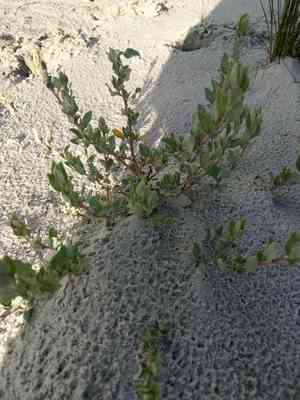
Crested saltbush (Atriplex pentandra)
Also known as: None
The crested saltbush (Atriplex cristata) is a resilient shrub found in arid regions, belonging to the Chenopodiaceae family. Notable for its drought tolerance, this plant features small, often succulent leaves that help minimize water loss in its harsh environment. It flourishes in saline or sandy soils, thanks to its ability to excrete excess salt through specialized glands.
Additionally, its deep and extensive root system provides stability against strong winds and aids in preventing soil erosion. The crested saltbush also produces seeds capable of dormancy, allowing it to survive and propagate even in challenging conditions.
In This Article
Attributes of Crested saltbush
Lifespan
Annual
Plant Type
Shrub
Plant Height
10-50 cm
Spread
10-30 cm
Leaf Color
Gray-green
Flower Size
0.1-0.2 cm
Flower Color
Green
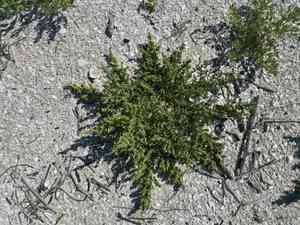
Images of Crested saltbush
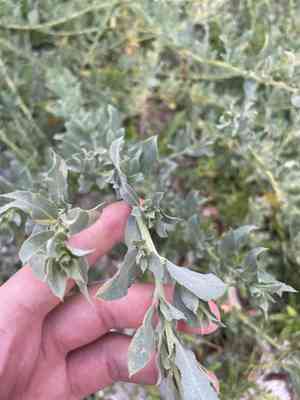
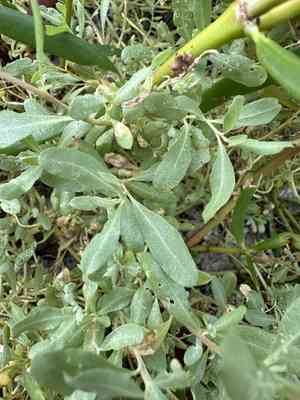
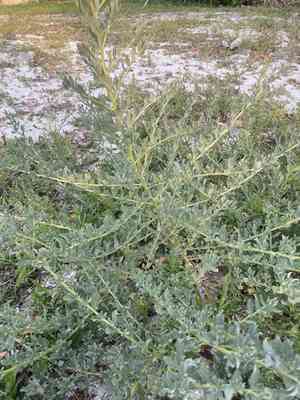
Quickly Identify Crested saltbush
1
Atriplex pentandra can be identified by its small, elliptical leaves that are often covered with tiny, silvery scales. The plant also produces inconspicuous flowers.
Scientific Classification of Crested saltbush
Phylum
Vascular plants
Class
Dicotyledons
Order
Caryophyllales
Family
Amaranth
Genus
Saltbush
Species
Crested saltbush
Planting and Growing of Crested saltbush
Care Difficulty
Easy
Watering Schedule
Every 2 days
Sunlight Requirements
Full sun
Sunshine Duration
4-8 hours
Ideal Temperature
60-75℉
Soil Type
Potting Mix, Peat Mix
Soil pH
6.5-7.5
Fertilizer Type
Balanced
Pruning Season
Spring, Summer
Pruning Area
Branches, Leaves
Pruning Frequency
2 times a year
Repotting Season
Spring
Pot Type
Plastic, Ceramic
 How to Water Crested saltbush?
Atriplex pentandra thrives with deep but infrequent watering. Ensure the soil is saturated to the root level without excess runoff. The aim is to provide approximately 200 ml of water per session, allowing the soil to dry out between watering periods.
What are the symptoms of an underwatered Crested saltbush?
›
What should I do if my Crested saltbush is not getting enough water?
›
What are the symptoms of an overwatered Crested saltbush?
›
How to save an overwatered Crested saltbush?
›
 What Are the Sunlight Requirements for Crested saltbush?
Ideal light conditions for Atriplex pentandra are mostly full sun with partial shade, maximizing photosynthesis benefits while preventing overexposure. Adequate lighting ensures healthy growth and prevents common issues like yellowing leaves.
Preferred Sunlight Type
›
Solution for Ideal Sunlight
›
Benefits of Optimal Light
›
 What Is the Ideal Temperature Range for Crested saltbush?
The ideal temperature range for Atriplex pentandra is between 60°F and 75°F. This range ensures optimal growth and development by facilitating photosynthesis and proper metabolic processes. Maintaining such temperatures can prevent undue stress and potential growth delays.
 What Soil is Best for Crested saltbush?
Atriplex pentandra greatly benefits from well-drained soil as it prevents root rot and other waterlogging issues. This helps the plant absorb nutrients efficiently and ensures robust growth. The plant thrives in nutrient-rich soil, which enhances its growth and productivity. Amending soil with organic matter can be beneficial and supports the plant's health. Being moderately salt-tolerant, Atriplex pentandra can be grown in soils with some salinity. This property is advantageous for areas with saline irrigation water or coastal influences.
 How to Fertilize Crested saltbush?
For Atriplex pentandra, it's vital to provide the correct amount of nutrients without overwhelming the plant. Use about 1/4 strength of an all-purpose liquid fertilizer, as too much can stress the plant. For solid fertilizers, a tablespoon per application near the base works well.
 How to Prune Crested saltbush?
Begin by sanitizing your pruning shears to avoid transferring diseases to your Atriplex pentandra. Look for any dead or damaged stems and trim them back to the base. Focus on thinning out the center of the plant to increase air circulation, which helps prevent fungal issues. After shaping the plant to your desired size, remove no more than one-third of the overall plant structure at any single pruning session.
More About Pruning Techniques→
 How to Propagate Crested saltbush plant?
1
Fill seed trays with a well-draining potting mix. Make sure the soil is moistened uniformly before sowing seeds. Proper soil preparation ensures seeds receive adequate moisture and nutrients needed for germination.
2
Place the seeds evenly across the surface of the soil. Cover them lightly with a thin layer of potting mix. It is important to maintain appropriate spacing between seeds to reduce competition for nutrients.
3
Gently water the seeds using a fine spray to avoid dislodging them. Maintain consistent humidity by covering trays with a transparent lid or plastic wrap. Proper watering and humidity levels are crucial for successful seed germination.
 How to Repot Crested saltbush plant?
1
Atriplex pentandra signals the need for repotting when you notice roots poking out of the drain holes or if the plant appears stunted. The best time to repot is early in the growing season, ensuring that the plant has ample time to adjust and thrive in its new environment.
2
Select a pot only slightly larger than the current one to prevent overwatering, which can cause root rot. A pot with adequate drainage holes is essential to ensure excess water can escape, keeping the root system healthy and avoiding any potential waterlogging issues.
3
Opt for a well-draining sandy soil mix. This type of soil mimics the plant's natural coastal habitat, providing good drainage while retaining necessary moisture. The sandy texture helps prevent compaction, allowing roots to expand and breathe properly.
Toxicity
Ingestion
WARNING
The judgment on toxicity and danger is for reference only. We DO NOT GUARANTEE any accuracy of such judgment. Therefore, you SHALL NOT rely on such judgment. It is IMPORTANT TO SEEK PROFESSIONAL ADVICE in advance when necessary.
Learn More About Crested saltbush Diseases
Anthracnose
Bacterial Leaf Spot
Bacterial Soft Rot
Bacterial Wilt
Chemical Injury
Cyst Nematode
Damping-off
Downy Mildew
Drought Stress
Fusarium Wilt
Gray Mold
Leaf Spot
Mosaic
Nutrient Deficiency
Nutrient Toxicity
Powdery Mildew
Root Rot
Root-knot Nematode
Rusts
Sooty Mold
Spider Mites
Temperature Stress
Thrips Damage
White Mold



