How to Prune Crested saltbush?
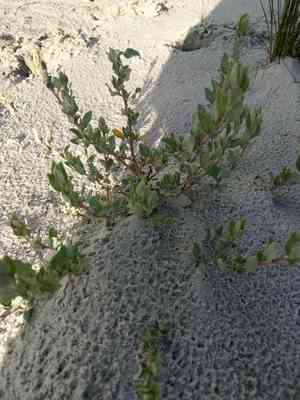
A robust shrub recognized for its ability to withstand saline conditions, crested saltbush greatly benefits from calculated trimming to preserve its form and vitality. Perform pruning in Spring, Summer, or Autumn, concentrating on eliminating deceased or compromised branches and fostering air circulation throughout the foliage. Prompt trimming boosts the plant's strength and could heighten its resilience to arid conditions. This practice is crucial for cultivating thick, lively leaves and controlling its dimensions within garden boundaries.
Advantages of Trimming Crested Saltbush
Advantages of Trimming Crested Saltbush
Trimming crested saltbush promotes robust development and maintains its form, which is crucial for garden design. Regular cutting prevents overcrowding, ensuring optimal air flow, which reduces pest risks and fosters strong health.
Optimal Period for Pruning Crested Saltbush
Optimal Period for Pruning Crested Saltbush
Pruning crested saltbush during Spring, Summer, and Fall aligns with its active growth phases, boosting its vigor and well-being. Spring pruning stimulates new growth, Summer trimming maintains shape and health by removing old or damaged leaves, and Fall pruning prepares crested saltbush for dormancy by eliminating excess growth, which helps prevent disease and pest infestation.
Necessary Tools for Pruning Crested Saltbush
Hand Pruners
Perfect for cutting and shaping smaller branches and twigs of crested saltbush. The sharp blades allow for clean cuts that encourage healthy regrowth.
Lopping Shears
Best suited for larger stems and branches that hand pruners cannot manage. The long handles provide leverage to make cutting easier, which is beneficial for thicker growth of crested saltbush.
Pruning Saws
Used for the thickest branches of crested saltbush where shears might not be sufficient. A pruning saw aids in making precise cuts on mature or woody stems without harming the plant.
Hedge Shears
Effective for shaping and maintaining the dense foliage of crested saltbush, allowing for uniform and aesthetically pleasing growth patterns.
How to Prune Crested Saltbush
Identify
Examine crested saltbush for any withered, dried, or dead leaves. Begin by thoroughly inspecting the plant to ensure you correctly pinpoint the areas that need pruning.
Sanitize
Sanitize your pruning tools before you start. Use a solution of bleach and water or rubbing alcohol to clean the blades to prevent the spread of any diseases to crested saltbush.
Cut
Snip the withered leaves at their base, close to the stem. Use sharp, clean scissors or secateurs to make a precise cut without damaging healthy parts of crested saltbush.
Dispose
Properly discard the removed leaves. Do not leave them around crested saltbush as they can harbor pests or diseases which might affect the plant's health.
Monitor
After pruning, observe crested saltbush for any signs of stress or further decay. Regularly check and remove any new withered leaves to maintain the plant's health and appearance.
Common Pruning Errors with Crested Saltbush
Over-pruning
Removing too much foliage from crested saltbush can hinder its ability to perform photosynthesis, which is vital for its growth and health. Typically, removing more than one-third of the plant's total foliage at once can stress the plant.
Improper tool use
Using dull or dirty pruning tools can damage the stems of crested saltbush, leading to jagged cuts that are more susceptible to disease infections. It's crucial to use sharp, clean pruning shears for clean cuts.
Flush cutting
Cutting branches flush against the main stem or trunk can remove the branch collar, an area that contains cells important for healing the wound. This mistake can lead to delayed wound healing and increase the risk of disease.
General Pruning Advice for Crested Saltbush
Selective pruning
Focus on removing only the dead, damaged, or diseased branches to maintain the health and aesthetics of crested saltbush. This technique promotes better air circulation and light penetration, crucial for the overall vitality of the plant.
Thinning
Thin out dense areas of foliage to ensure that light and air can reach the interior parts of crested saltbush. Thinning helps prevent issues like fungal infections which thrive in damp, poorly ventilated conditions.
Cutting technique
Make cuts at a 45-degree angle, about a quarter-inch above a bud facing the outside of the plant. This encourages water to run off the cut surface, reducing the chance of disease, and promotes outward growth for a more appealing plant structure.



