The Crested saltbush Plant Advantage: Maximizing Home and Office Appeal and Wellness
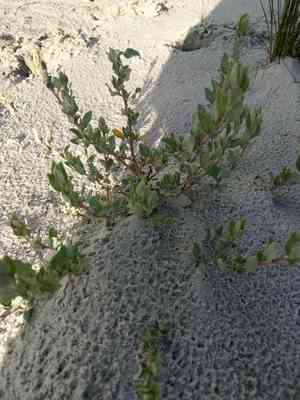
1
Rich in essential elements, Crested saltbush provides significant dietary advantages.
2
Environmentally friendly, it thrives in salty and dry regions.
3
Crested saltbush assists in restoring degraded land, proving beneficial for ecological stewardship.
Nutritional Advantages of Crested Saltbush
Abundant in Key Nutrients
Crested saltbush offers a rich supply of vital nutrients, including vitamins, minerals, and proteins. It's particularly high in vitamin A, vitamin C, calcium, and iron, making it a beneficial dietary component for both humans and animals. Its significant protein content is especially valuable for livestock, serving as a viable alternative to conventional feed, particularly when traditional crops fail.
Low Calorie, High Fiber Content
A notable characteristic of Crested saltbush is its low caloric value combined with substantial dietary fiber, making it an excellent choice for those aiming for a balanced diet. The high fiber content aids digestion and assists in regulating blood sugar levels, making it a superb addition to meals focused on promoting overall wellness.
Environmental Benefits of Crested Saltbush
Thrives in Saline and Arid Environments
One of the most remarkable traits of Crested saltbush is its capacity to flourish in salty and semi-arid conditions. Unlike many plants that struggle in such harsh settings, Crested saltbush not only survives but prospers, making it a valuable asset for land deemed unproductive. This resilience enables it to contribute to soil stabilization and the restoration of degraded areas.
Assists in Soil Restoration
Beyond enduring challenging conditions, Crested saltbush actively contributes to enhancing soil quality. It can decrease soil salinity through its root system, thereby making the soil more hospitable for other plants over time. By integrating Crested saltbush into land management strategies, it becomes possible to rejuvenate degraded soils, consequently boosting biodiversity and ecological equilibrium.
Practical Uses of Crested Saltbush
Natural Forage for Livestock
Given its high nutritional value, Crested saltbush serves as an excellent source of forage for livestock. It offers a sustainable feeding option that can help farmers mitigate challenges posed by drought and poor soil quality. Its adaptability to various climatic conditions further enhances its appeal as a dependable food source in diverse agricultural settings.
Potential for Human Consumption
While primarily utilized as fodder, Crested saltbush also holds promise as a food source for humans. Its leaves and seeds can be incorporated into various recipes, providing a nutritious addition to meals. The high nutrient content ensures that even small quantities can boost dietary intake of essential vitamins and minerals. Efforts to explore and popularize its culinary use could open new avenues for food security in regions struggling with traditional crop yields.
Importance of Crested Saltbush for Sustainable Agriculture
Reduces Reliance on Chemical Fertilizers
Crested saltbush's ability to improve soil health lessens the need for chemical fertilizers, fostering more sustainable farming practices. By naturally enhancing soil fertility, it supports the growth of other crops and reduces the environmental impact linked to conventional agriculture. This approach of integrating Crested saltbush into crop rotation plans can lead to more resilient agricultural systems.
Encourages Biodiversity
The inclusion of Crested saltbush into agricultural systems also promotes biodiversity. Its presence provides habitat and food for various insects and animals, thereby supporting a healthy ecosystem. Furthermore, its ability to grow in diverse environmental conditions ensures it can be part of agroforestry systems, which combine agriculture and forestry to create more productive and sustainable land-use systems.



