How to Transplant Monk's hood cactus?
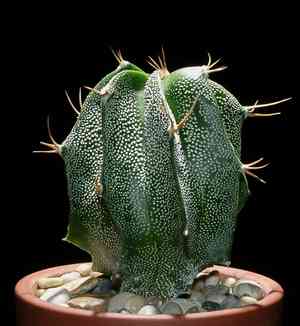
The ideal period for relocating monk's hood cactus is in the cooler months of winter, which reduces shock and aids in root development. Select a well-lit, ventilated location and verify that the substrate offers superior drainage. Careful manipulation is crucial.
Essential Preparations Before Relocating Monk's Hood Cactus
Optimal Timing for Monk's Hood Cactus Relocation?
The perfect time for moving monk's hood cactus is during the colder months. This dormant period facilitates the transition, reducing stress on your beloved monk's hood cactus. Utilize this window for a successful move, taking advantage of the cooler weather to establish monk's hood cactus in its new spot without harsh sun hindering its recovery. Winter relocation encourages vigorous spring growth, setting the stage for a flourishing future.
Recommended Spacing Between Monk's Hood Cactus Plants?
For successful relocation, ensure each monk's hood cactus has ample room to thrive. Ideally, maintain a separation of approximately 1-2 feet (30-60 cm) between each plant. This provides sufficient space for growth without overcrowding.
Ideal Soil Blend for Monk's Hood Cactus Relocation?
Begin by preparing a soil mixture that drains effectively. Monk's hood cactus thrives in sandy soil. Experts suggest a blend of half potting soil and half coarse sand. You can also incorporate a slow-release, low-nitrogen fertilizer. This will supply the necessary nutrients for your monk's hood cactus to develop robustly and healthily.
Where to Replant Your Monk's Hood Cactus?
When selecting a new spot, remember monk's hood cactus loves sunlight. A location with bright, indirect light is optimal. These plants are known to tolerate a few hours of direct sun as well. However, shielding them from the most intense afternoon sun is always a good practice!
Tools Required Before Relocating Monk's Hood Cactus?
Gardening Gloves
To safeguard your hands while handling soil and monk's hood cactus.
Shovel or Spade
Necessary for excavating the plant from its original site and preparing a suitable planting hole in the new location.
Pot
If you're moving a potted monk's hood cactus, you'll need a new, appropriately sized container for the relocation.
Trowel
A smaller implement useful for precise removal and placement of the monk's hood cactus.
Pruning Shears
Helpful for trimming any damaged or excessive parts of monk's hood cactus.
Watering Can
Essential for hydrating the monk's hood cactus after its relocation.
Mulch
To aid in moisture retention and inhibit weed growth around the newly relocated monk's hood cactus.
How to Extract Monk's Hood Cactus from the Soil?
How to Extract Monk's Hood Cactus from the Soil?
From Ground: Begin by thoroughly watering the monk's hood cactus a day prior to relocation to lessen stress and simplify the removal process. Next, carefully dig a wide trench around the plant using a shovel or spade, always maintaining a safe distance from the plant's stem to prevent root system damage. Gently slide the spade beneath the root ball to lift the plant from its initial position.From Pot: Water the plant thoroughly the day before moving it. On the day of relocation, turn the pot on its side, place your hand over the top of the pot, and gently pull out the monk's hood cactus. If the plant resists, tap the bottom or sides of the pot to loosen it.From Seedling Tray: If your monk's hood cactus is in a seedling tray, use a dibber or any blunt stick to push the seedlings out from below, always handling the seedlings by their leaves to avoid stem and root damage.
Step-by-Step Guide for Relocating Monk's Hood Cactus
Preparation
Prepare the new planting site by digging a hole that is twice as wide and equally deep as the monk's hood cactus's root system. Loosen the soil at the base of the hole.
Placement
Position the monk's hood cactus in the prepared hole. Ensure the top of the root ball is level with the ground surface and the plant stands upright.
Backfilling
Refill the hole with the original soil you excavated, gently firming it around the base of the monk's hood cactus to provide stability.
Watering
Water the monk's hood cactus generously after the relocation process, ensuring the soil is saturated but not waterlogged to prevent root rot.
Mulching
Apply a layer of mulch around the base of the monk's hood cactus, but avoid letting the mulch touch the stem.
Post-Relocation Care for Monk's Hood Cactus
Protection
Shield the relocated monk's hood cactus from harsh environmental elements like strong winds or excessive sun for a few days following relocation.
Watering
Keep the soil around the monk's hood cactus slightly moist for the initial couple of weeks until it establishes in its new spot. Reduce watering afterward as monk's hood cactus prefers somewhat dry soil.
Pruning
Trim back any growth that shows signs of stress or damage after relocation; this will help the monk's hood cactus direct energy towards new growth.
Addressing Common Issues During Monk's Hood Cactus Relocation.
When is the optimal time to move monk's hood cactus?
The best period to move monk's hood cactus is between late autumn and early spring, also known as S10-S12.
What spacing is ideal for monk's hood cactus plants?
When moving monk's hood cactus, aim to space them about 1-2 feet (30-60 cm) apart. This promotes healthy development.
How deep should I plant monk's hood cactus when relocating?
Plant monk's hood cactus at the same soil level as it was in its nursery container. They do not thrive when planted too deeply.
What type of soil is best for relocating monk's hood cactus?
Monk's hood cactus prefers well-draining soil, such as a peat-based mix or one with added perlite or sand. Avoid heavy and waterlogged soils.
How much water does monk's hood cactus need immediately after relocating?
Water monk's hood cactus moderately right after relocation to settle the soil around the roots, then allow the soil to dry out between waterings.
How to manage root rot in monk's hood cactus during relocation?
If you discover root rot while relocating, remove the affected parts and let the roots dry before placing monk's hood cactus in fresh soil.
What sun exposure is needed for monk's hood cactus after relocating?
Monk's hood cactus requires full sun but protect it from midday sun during hotter seasons. Too much intense light can cause sun blush.
What pot size should I use when relocating monk's hood cactus?
Select a pot that is slightly larger than the root ball of monk's hood cactus. A pot that is too large can lead to excessive soil moisture, causing root rot.
Is it necessary to fertilize monk's hood cactus immediately after relocating?
Monk's hood cactus does not require immediate feeding after relocation. Wait a couple of weeks, then use a low-nitrogen cactus fertilizer.
Can I relocate monk's hood cactus if it's budding or flowering?
Relocating during budding or flowering can stress monk's hood cactus, potentially causing buds or flowers to drop. It's preferable to relocate when the plant is not expending energy on flowering.



