How Much Sunlight Do Monk's hood cactus Need?
1
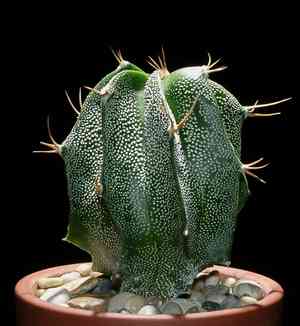
Monk's hood cactus flourishes optimally with a minimum of 6 hours of direct sunlight each day.
2
Some shade is tolerable, though it might impede the development of Monk's hood cactus.
3
Indicators of excessive sun exposure are scorched, discolored areas on the cactus.
Optimal Light Conditions for Monk's hood cactus
Abundant Sun Exposure
The Monk's hood cactus thrives best with ample sun exposure, meaning at least six hours of direct sunlight daily. This condition mimics its native environment where strong sunlight is common. Placing your cactus in a bright location ensures it develops a sturdy structure and vibrant coloration. Aim for a spot that receives plenty of morning sun to avoid the harsher, more intense afternoon rays, which can be damaging in excess.
Partial Shade Adaptability
While full sun is preferred, the Monk's hood cactus can endure partial shade. However, it's important to note that this may impact the plant's growth rate. In partial shade, your cactus might not achieve its maximum size or vivid color. If you reside in an area with intense summer heat, providing some afternoon shade can shield the cactus from potential sunburn, balancing light and protection.
Effects of Insufficient Light on Monk's hood cactus
Growth Inhibition
A primary indicator that your Monk's hood cactus isn't receiving enough light is a halt in growth. The plant may cease producing new growth, and its overall development can appear stunted. This stagnation occurs because the cactus cannot perform photosynthesis efficiently, leading to energy deficits required for growth.
Faded and Soft Spines
Inadequate sunlight results in a noticeable alteration in the cactus's appearance. You might observe that the spines, typically firm and vivid, become pale and soft. This softness clearly signals that the plant isn't synthesizing sufficient nutrients due to limited light exposure.
Indicators of Excessive Sun Exposure
Sunburn Marks
Similar to humans, Monk's hood cactus can suffer from sunburn. If exposed to overly intense sunlight, especially during peak hours, you might notice brown, scorched patches on the cactus's surface. These marks are unsightly and can harm the plant's cells, leading to long-term health issues if not addressed promptly.
Dehydration Symptoms
Overexposure to direct sunlight can also lead to dehydration. The Monk's hood cactus may begin to shrivel or display wrinkled surfaces, indicating it is losing moisture faster than it can absorb. While cacti are drought-tolerant, prolonged dehydration can stress the plant and impair its overall health.
Optimizing Light for Indoor Monk's hood cactus
Selecting the Correct Window
When cultivating Monk's hood cactus indoors, choosing the appropriate window is vital. South-facing windows are typically most effective as they provide the strongest and most extended direct sunlight. Ensure the cactus is as close to the window as possible without touching the glass, as extreme temperatures near windows can affect the plant.
Utilizing Grow Lights
If natural sunlight is insufficient, particularly during winter months, consider employing grow lights. LED grow lights designed for succulents and cacti can supply the necessary spectrum for optimal growth. Position the light 6-12 inches (15-30 cm) above the plant and provide 12-14 hours of light daily to mimic its natural environment.
Seasonal Light Considerations for Monk's hood cactus
Winter Care Advice
During winter, natural sunlight is often less intense and available for fewer hours. To ensure your Monk's hood cactus receives adequate light, consider moving it to the brightest window in your home. Supplementary lighting, such as grow lights, can also assist during these shorter days. Additionally, reduce watering as the plant's water needs decrease with less growth activity.
Summer Care Advice
In summer, sunlight is more intense. To prevent sunburn, you might need to provide some shade during the peak afternoon hours. Moving the cactus to a spot that gets ample morning sun but is protected from the afternoon's harsh rays can shield it from potential damage. Whether indoors or out, ensure the plant is not in a completely shaded area as it still requires sufficient light.



