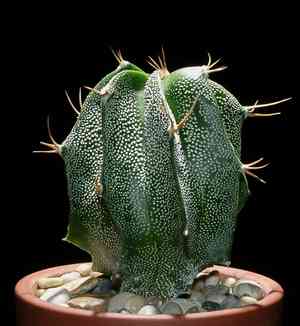
Monk's hood cactus (Astrophytum ornatum)
Also known as: Bishop’s Cap, Monk's Hood
Monk's hood cactus (Astrophytum ornatum), native to central Mexico's limestone cliffs and rocky canyons, faces significant threats in its natural habitat. Key factors include illegal collection, habitat destruction from mining activities, and trampling by livestock. Conservation efforts are essential to protect this species from further decline.
In This Article
Attributes of Monk's hood cactus
Lifespan
Perennial
Plant Type
Succulent
Plant Height
1.2 m
Spread
40 cm
Leaf Color
Green Yellow Brown
Flower Size
7-10 cm
Flower Color
Yellow
Images of Monk's hood cactus

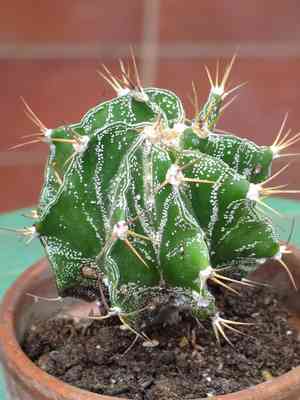
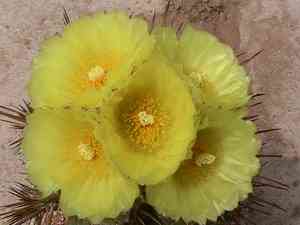
Quickly Identify Monk's hood cactus
1
Astrophytum ornatum can be identified by its tall, columnar shape, typically with 8 distinct ribs covered in white tufts of trichomes. It produces large, yellow flowers with red bases.
Scientific Classification of Monk's hood cactus
Phylum
Vascular plants
Class
Dicotyledons
Order
Caryophyllales
Family
Cactuses
Genus
Astrophytum
Species
Monk's hood cactus
Planting and Growing of Monk's hood cactus
Care Difficulty
Easy
Watering Schedule
Every 2 days
Sunlight Requirements
Full sun
Sunshine Duration
4-6 hours
Ideal Temperature
68-77℉
Soil Type
Potting Mix, Peat Mix
Soil pH
6.5-7.5
Fertilizer Type
Balanced
Pruning Season
Spring, Summer
Pruning Area
Branches, Leaves
Pruning Frequency
2 times a year
Repotting Season
Spring
Pot Type
Plastic, Terracotta
 How to Water Monk's hood cactus?
For Astrophytum ornatum, water until the soil is just moist and allows excess water to drain out of the pot. This cactus prefers a light yet consistent watering approach that mimics its native arid environments.
What are the symptoms of an underwatered Monk's hood cactus?
›
What should I do if my Monk's hood cactus is not getting enough water?
›
What are the symptoms of an overwatered Monk's hood cactus?
›
How to save an overwatered Monk's hood cactus?
›
 What Are the Sunlight Requirements for Monk's hood cactus?
Astrophytum ornatum thrives within a light range of full to partial sun, benefiting immensely in regions that mimic its natural habitat. Adequate light ensures vibrant growth and frequent blossoming.
More About Sunlight Requirements Techniques→
What type of light does Astrophytum ornatum prefer?
›
How can we achieve the ideal lighting for Astrophytum ornatum?
›
What are the benefits of ideal lighting for Astrophytum ornatum?
›
 What Is the Ideal Temperature Range for Monk's hood cactus?
Astrophytum ornatum thrives best within temperatures ranging from 68°F to 77°F. This range allows for optimal growth by ensuring that the metabolic activities and physiological processes within the plant remain stable. This controlled temperature ensures the cactus maintains a balance between moisture retention and heat dissipation.
 What Soil is Best for Monk's hood cactus?
Astrophytum ornatum thrives in well-drained soil which prevents root rot by allowing excess water to escape easily. This drainage ability helps maintain a healthy root system, essential for the plant's stability and nutrient absorption. This cactus species prefers soil with low nutrient content, mimicking its natural arid environment. Excess nutrients can encourage rapid, weak growth, which isn't ideal for the plant's structural stability. Soil with good aeration properties is crucial for Astrophytum ornatum as it facilitates oxygen access to the roots. This ensures healthy respiration and prevents suffocation, promoting robust growth.
 How to Fertilize Monk's hood cactus?
Astrophytum ornatum, commonly known as the 'Star Cactus,' requires moderate fertilization. Use a balanced cactus fertilizer diluted to half strength. Over-fertilization can harm the plant, so be cautious in application. A small amount, such as a 1/4 teaspoon combined with water, is sufficient every few weeks during its growing season.
 How to Prune Monk's hood cactus?
Ensure you have clean, sharp scissors or pruners for the task. This guarantees smooth cuts and prevents damage to the cactus. Dull tools might crush the stem, while dirty ones could introduce pathogens. Inspect the cactus thoroughly, focusing on identifying any dead or diseased parts as well as any growth that disrupts the symmetry. It is crucial to prune these sections to boost the overall health of the cactus. Make cuts at a slight angle, which promotes better water runoff and prevents rot. Avoid cutting too close to the main stem to ensure the plant has a better chance of healing.
 How to Propagate Monk's hood cactus plant?
1
Begin by filling the seed tray with a pre-moistened, sterile potting mix. This ensures that the seeds start in a disease-free environment, and the moisture aids in triggering the germination process.
2
Sprinkle the seeds evenly over the surface of the potting mix. Gently press them into the mix without covering them too deeply, as they need light exposure to germinate successfully.
3
Cover the tray with the lid and place it in a warm, bright location. Regularly check for moisture levels and avoid letting the soil dry out completely or become overly saturated, which can harm seed viability.
 How to Repot Monk's hood cactus plant?
1
The optimal time to repot Astrophytum ornatum is when you notice slowed growth or roots protruding from drainage holes, indicating root confinement. Repot in spring or summer for active growth enhancement.
2
Choose a pot that is slightly larger than the current one. Ensure it has adequate drainage holes to prevent root rot, as Astrophytum ornatum requires effective water run-off to thrive.
3
Opt for a sandy, well-draining cactus mix. This soil mimics its native arid habitat, providing essential drainage and aeration, crucial for preventing root rot and promoting healthy growth.



