Boost Growth: How and When to Repot Your Monk's hood cactus Plant
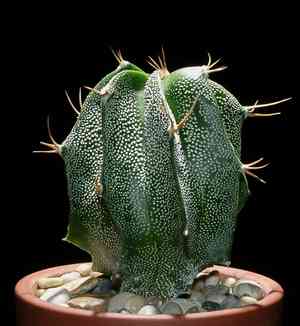
1
Monk's hood cactus typically requires repotting every two to three years.
2
Verify your container includes drainage openings to avoid root decay.
3
The best times to repot Monk's hood cactus are during spring and fall.
The Importance of Repotting Your Monk's Hood Cactus
Encourage healthier development and prevent root constriction
Repotting your Monk's hood cactus is crucial for its well-being and expansion. Over time, the cactus's root system can become confined within its container, leading to a condition known as root-bound. When this occurs, the plant struggles to absorb adequate nutrients and water, hindering its growth. By repotting, you provide the roots with more room to spread, enabling the plant to thrive.
Replenish soil nutrients that diminish over time
Soil quality degrades as plants consume available nutrients. Repotting allows you to replace depleted soil with fresh, nutrient-rich substrate. This revitalizes your Monk's hood cactus with essential minerals and promotes vigorous growth. New soil also enhances aeration and drainage, vital for a plant originating from arid regions.
When to Replant Your Monk's Hood Cactus
Recognizing indicators: constricted roots and slow development
Certain clear signs suggest your Monk's hood cactus requires repotting. If you observe roots emerging from drainage holes or visible on the soil surface, it's time to consider a larger container. Additionally, if your cactus exhibits stunted growth or yellowing, it might be due to nutrient depletion or root constriction, indicating a need for fresh soil and more space.
Optimal season for replanting: late winter or early spring
Timing is critical when repotting your Monk's hood cactus. The ideal period for repotting is during late winter or early spring. This timeframe allows your cactus to recover and adjust to its new environment before the active growing season commences. Furthermore, autumn is also an excellent season for repotting, giving the plant ample time to establish itself before winter dormancy.
Selecting the Appropriate Pot and Soil for Your Monk's Hood Cactus
Choosing a container with sufficient drainage
When selecting a pot for your Monk's hood cactus, it's essential to choose one with adequate drainage. Pots featuring drainage holes permit excess water to escape, preventing waterlogged soil and root rot. Options like terracotta pots are excellent as they are porous, fostering better soil aeration and moisture regulation.
Utilizing the correct soil mixture for cacti
The soil mix for your Monk's hood cactus must emulate its natural habitat. Cacti flourish in well-draining soils, so a specialized cactus or succulent mix is perfect. These mixtures typically include sand, perlite, or pumice to improve drainage. You can also create your own blend by combining potting soil with coarse sand and perlite in equal proportions.
Detailed Guide to Repotting Your Monk's Hood Cactus
Prepare your workspace and gather necessary tools
Before beginning the repotting process, prepare your work area. Lay down newspaper or a tarp to contain any mess, and collect all required tools: gloves, a new pot, cactus soil mix, and a small brush. Ensure your tools are clean to prevent the transmission of any diseases to your cactus.
Gently remove the cactus from its current container
Wear gloves to shield your hands from the spines and carefully extract the Monk's hood cactus from its existing pot. You might need to tap the pot's sides or use a blunt knife to loosen the soil. Be cautious not to harm the roots during this procedure.
Trim any dead or excessively long roots
Inspect the roots once the cactus is out of the pot. Prune any dead or overly extended roots with sterilized scissors. This encourages new root growth and aids the plant in establishing itself in the new pot.
Place it into the new pot with fresh soil and proper positioning
Fill the bottom of the new pot with a layer of fresh soil mix. Position your Monk's hood cactus in the center, then add more soil around it, gently pressing it down to secure the plant. Ensure the cactus sits at the same depth as it was in the previous pot.
Post-repotting care: Watering and initial placement
After repotting, provide your Monk's hood cactus with a light watering to help it settle. However, be careful not to overwater. Place the cactus in a bright location but avoid direct sunlight initially to lessen the shock of repotting. Gradually move it to its permanent spot once it shows signs of new growth.
Addressing Common Monk's Hood Cactus Repotting Issues
Resolving root rot: Identification and treatment
Root rot can be a significant problem for cacti. If you observe mushy, discolored roots when repotting, trim away the affected portions and allow the plant to dry before replanting in fresh soil. Ensuring good drainage and avoiding overwatering can prevent root rot.
Managing broken spines or leaves during repotting
Despite your best efforts, some spines or parts of the Monk's hood cactus may break during repotting. Broken spines are typically not a cause for concern, as cacti can self-heal. Just ensure the damaged areas are kept dry to prevent infection and monitor the plant for any signs of distress.



