How to Propagate Monk's hood cactus?
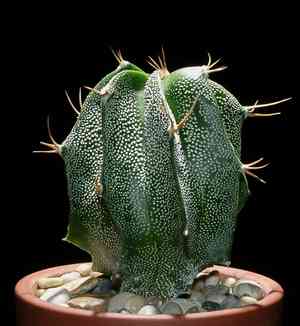
Monk's hood cactus reproduces successfully via seeding. Utilize new seeds to achieve superior germination percentages and plant them in porous soil, ensuring a superficial planting depth. A blend of cactus substrate and sand is perfect for replicating the monk's hood cactus's native environment, fostering root development. Hydration is vital, so sustain a slightly damp setting, yet be cautious of excessive moisture, as it can cause decay.
When Is the Best Time to Propagate Monk's Hood Cactus?
Propagation Type
Seeding
Propagation Season
Spring
What Tools Are Used in Monk's Hood Cactus Propagation?
Seed trays
Seed trays are vital for sowing monk's hood cactus seeds. They enable proper spacing and arrangement, ensuring each seed has ample room to grow without crowding. This improves air circulation and light exposure, critical for monk's hood cactus germination and early development.
Fine-grained soil or cactus mix
A specialized cactus mix or fine-grained soil is crucial for propagating monk's hood cactus by seeding. These mediums offer suitable drainage and nutrient balance, reducing the risk of root rot and other water-related problems in poorly drained soils. This soil type also supports the delicate roots of young monk's hood cactus plants during their initial stages.
Misting bottle
A misting bottle is used to gently water monk's hood cactus seeds without dislodging them, a risk with heavier watering methods. Consistent moisture is essential during monk's hood cactus germination, and a misting bottle allows for controlled hydration without overwatering, promoting successful seed sprouting.
Transparent cover or plastic wrap
Placing a transparent cover or plastic wrap over seed trays helps maintain stable humidity and temperature, important for monk's hood cactus germination. This tool also shields seeds from external elements and creates a greenhouse effect, fostering a beneficial microenvironment for growth.
Tweezers
Tweezers are useful for handling small monk's hood cactus seeds during sowing, allowing for precise placement without damage. This tool is especially helpful when planting individual seeds or adjusting their position without disturbing the surrounding medium.
How to Propagate Monk's Hood Cactus?
Propagation Type
Simple
How to Care for Your Newly Propagated Monk's Hood Cactus?
How to Care for Your Newly Propagated Monk's Hood Cactus?
Once monk's hood cactus seedlings have successfully emerged and are large enough to handle, acclimate them by gradually increasing their exposure to the outdoor environment. Provide bright, indirect light and water sparingly, allowing the soil to dry out between waterings. Avoid overwatering to prevent root rot. As monk's hood cactus matures, it can tolerate more direct sunlight. Fertilize during the growing season with a cactus-specific feed diluted to half strength.
Common Mistakes to Avoid When Propagating Monk's Hood Cactus
Overwatering
Excessive watering can lead to root rot, which is particularly harmful to monk's hood cactus because its roots are adapted for arid conditions. Too much water reduces oxygen availability to the roots, causing plant stress and fungal infections.
Using non-sterile tools
Using unsterilized tools for propagation can introduce pathogens to monk's hood cactus, a cactus that is less disease-resistant when injured. This can cause infections that compromise the plant's health and its ability to establish new growth.
Incorrect soil mix
Propagating monk's hood cactus in the wrong soil mix may hinder root growth due to poor drainage or insufficient nutrients. Monk's hood cactus requires a gritty, well-draining mix to mimic its natural habitat and prevent waterlogging.
Improper cutting technique
Poor cutting technique can harm both the parent plant and the cutting, leading to unsuccessful propagation. Precise cuts are necessary to ensure healthy callus formation for new root growth in monk's hood cactus.
Neglecting to allow cuttings to callous
Failing to let cuttings properly callous before planting can cause monk's hood cactus cuttings to rot. A callus forms a protective layer that helps prevent disease and promotes healthy rooting.
Tips For Propagating Monk's Hood Cactus
Allowing cuttings to dry
After cutting, allow monk's hood cactus cuttings to dry and form a callus for a few days before planting. This step is crucial to prevent rot and infections, providing a better chance for the cuttings to take root.
Sterile equipment
Always use sterile tools when taking cuttings from monk's hood cactus to minimize the risk of spreading disease. Clean cuts help the propagation process by reducing stress on the plant and limiting exposure to pathogens.
Correct soil mix
Use a well-draining cactus soil mix with added perlite or pumice for monk's hood cactus propagation. This will ensure that the delicate roots have the optimal conditions for growth without water retention issues.
Indirect light for cuttings
Place monk's hood cactus cuttings in indirect light after planting. This environment is essential for newly propagated plants to avoid scorching and to ensure the gradual acclimatization to sunlight.
Moderate watering
Once monk's hood cactus cuttings are planted, water moderately to prevent overwatering, yet provide sufficient moisture for root development. Be sure to adjust watering habits based on environmental conditions.



