How to Transplant Greater masterwort?
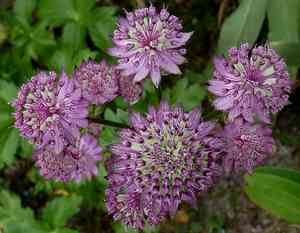
Relocate greater masterwort optimally from mid-spring to late spring, a delightful season when warmth assists root development. Select a spot offering partial shade and consistently damp, well-aerated soil. During the relocation process, preserve the root ball's structure for superior outcomes. Enjoy your transplanting!
What Preparations are Necessary Before Relocating Greater Masterwort?
What is the Optimal Period for Moving Greater Masterwort?
The best time to move greater masterwort is from mid-spring to early summer. This timeframe provides greater masterwort with ideal conditions for establishing roots and thriving. Greater masterwort benefits most during this period as the soil temperature will be warm, promoting growth. With this timing, you'll observe a successful relocation and enjoy its peak performance. Remember, it's all about setting greater masterwort up for success! Happy planting!
How Much Distance Should You Maintain Between Greater Masterwort Plants?
For relocating greater masterwort, we advise allowing ample room for growth by spacing each plant 8-12 inches (20-30 cm) apart. This will ensure proper development and enable their roots to absorb necessary nutrients.
What is the Best Soil Mixture for Greater Masterwort Relocation?
Ensure you prepare a well-draining soil blend that incorporates organic material, such as compost or aged manure. To give greater masterwort the best start, also mix a balanced, slow-release fertilizer into the soil.
Where Should You Replant Your Greater Masterwort?
Select a spot for relocating greater masterwort that receives a combination of sun and partial shade throughout the day. This way, they will get the correct balance of sunlight while still having some relief from the hottest parts of the day.
What Tools Should You Get Ready Before Relocating Greater Masterwort?
Gardening Gloves
To safeguard your hands while handling the soil and greater masterwort plant.
Shovel or Spade
Aids in digging the ground and creating a hole for the plant.
Hand trowel
Useful for extracting the greater masterwort from pots or seedling trays without harming the root ball.
Garden Fork
Helps loosen the soil around the root ball when excavating it from its original spot in the ground.
Watering Can
Used to moisten the soil before and after relocation.
How Do You Extract Greater Masterwort from the Soil?
How Do You Extract Greater Masterwort from the Soil?
From Ground: To remove the greater masterwort plant from the ground, first, water the plant to moisten the soil. This facilitates digging and lessens stress on the plant's roots. Using a garden fork or spade, carefully dig around and beneath the plant's root ball. Once loosened, gently lift the plant from the ground.From Pot: If the greater masterwort is in a pot, water it first to prepare the root ball for relocation. Turn the pot sideways, hold the plant gently by its base, and tap the bottom of the pot to slide it out. Avoid pulling the plant as it can damage the plantâs roots.From Seedling Tray: Water the tray to soften the soil. Carefully hold the seedling at its base and gently pull it from the tray, ensuring not to harm the delicate roots.
Step-by-Step Instructions for Relocating Greater Masterwort
Preparation
Begin by digging a hole in the ground using a spade or shovel. The hole should be twice as wide and equally deep as the greater masterwort's root ball.
Placement
Position the greater masterwort in the center of the hole, ensuring the top of the root ball is level with the surrounding soil.
Backfilling
Refill the hole with the excavated soil. Gently firm it down but avoid packing it tightly, as this might hinder roots from expanding into the surrounding soil, slowing establishment.
Watering
Immediately after relocating, water the greater masterwort thoroughly to settle the soil and establish contact between the roots and the soil.
How Do You Care For Greater Masterwort After Relocation?
Watering Schedule
While the greater masterwort is still settling in, maintain consistent watering to prevent the soil from drying out. Once established, reduce watering while ensuring the soil remains moist, especially during dry spells.
Mulching
A layer of organic mulch around the plant can help retain soil moisture and regulate soil temperature. It also suppresses weed growth.
Pruning
If the greater masterwort shows signs of wilting or stress, consider light pruning to decrease its water requirements.
Troubleshooting Common Issues with Greater Masterwort Relocation.
When is the best time of year to relocate greater masterwort?
The optimal time to move greater masterwort is from mid-spring to late spring.
How far apart should I plant greater masterwort when relocating?
When relocating greater masterwort, ensure to provide a space of about 8-12 inches (20-30 cm) between each plant.
What should I do if the leaves of my greater masterwort turn yellow after relocating?
Yellow leaves can indicate excessive watering or poor drainage. Reduce watering and ensure the plant is in well-drained soil.
Why are my relocated greater masterwort not blooming?
Insufficient sunlight or nutrients could be the reason. Greater masterwort requires full to partial sunlight and a balanced slow-release fertilizer.
What should I do if greater masterwort wilts after relocating?
Wilting can be due to relocation shock. Keep soil well-drained but moist, and protect from extreme weather conditions.
How deep should the pot for greater masterwort be when relocating?
Pots for greater masterwort should be deep enough to comfortably accommodate the entire root system, generally about 12 inches (30 cm).
How should I prepare the soil for greater masterwort relocation?
The soil should be well-drained, fertile, and rich in organic matter. Pre-water the soil before relocating greater masterwort.
What can cause browning of greater masterwort leaves after relocating?
Browning leaves can be a sign of too much sun exposure or dehydration. Ensure greater masterwort receives adequate water and partial sun.
What steps should I follow to relocate greater masterwort successfully?
Select ideal time, prepare the soil, thoroughly water, carefully remove from current place, replant in new location maintaining ideal spacing.
What should I do if the greater masterwort seems stunted after relocating?
Stunted growth could be due to root damage during relocation. Be gentle when relocating and feed a balanced fertilizer to boost growth.



